 Preview
 Send
Send Share
Share
 Details

 Download
 Similars
 X-Ray
X-Ray Diaporama
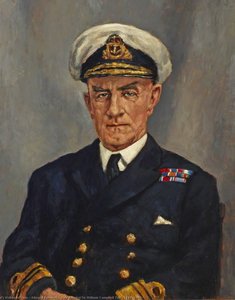
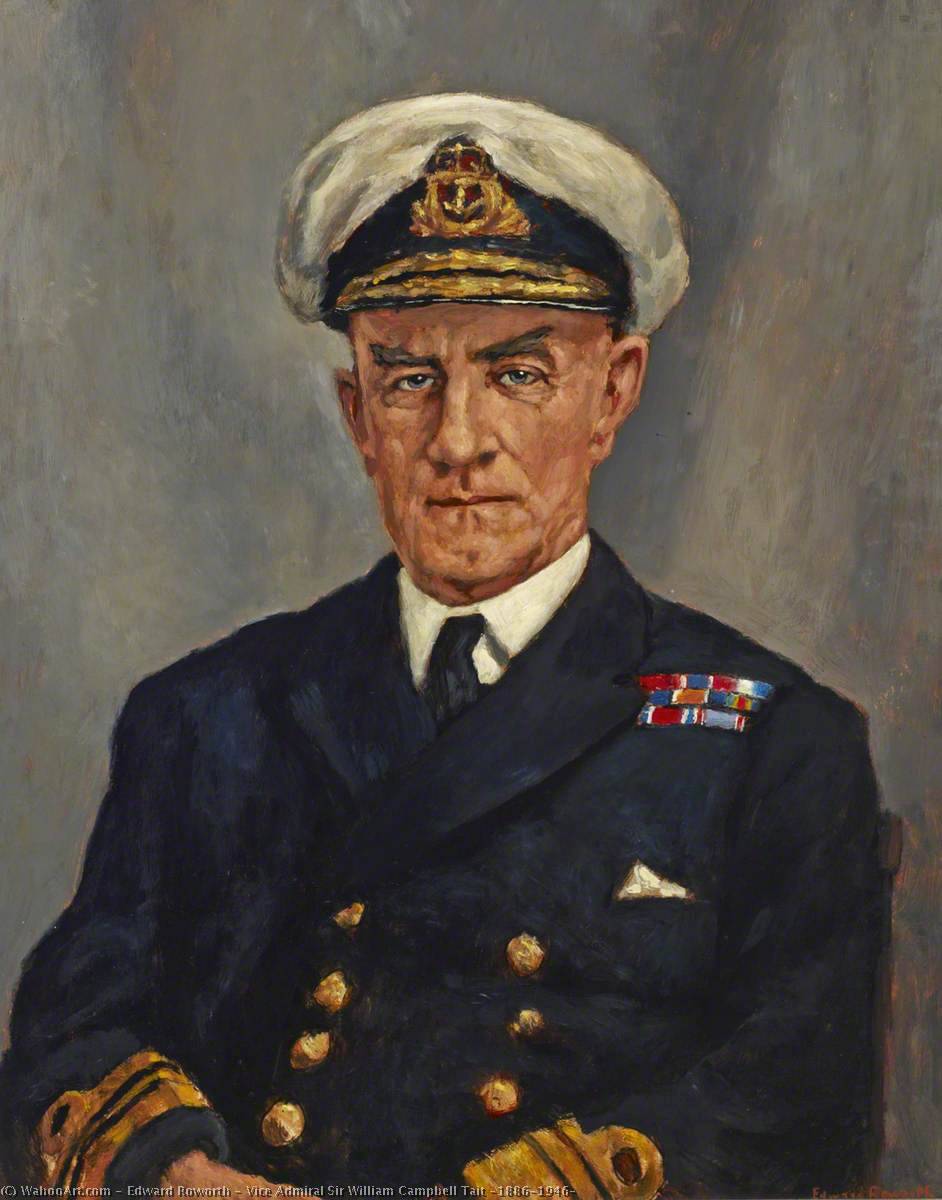
Vice Admiral Sir William Campbell Tait (1886–1946)
 75.0 x 60.0 cm
 Read More
Giclée / Art Print
Museum-quality giclée or canvas print with fast production and flexible finish options. ( Buy Hand Made Painting Buy Image)




































Pick from our preset sizes that match the artwork's original proportions.

You may enter your own dimensions to fit a specific frame or space. If your selected size does not match the original image's proportions, we will either crop the artwork or extend the image with a mirrored or solid-fill edge. A digital mockup will be sent for your approval before production begins.
Please note that the on-screen preview does not reflect the actual cropping or extension. Only the mockup will accurately show the final composition.
While custom sizes are available, we recommend selecting a dimension from the predefined list to preserve the original proportions.
Worldwide Delivery () in 2 weeks instead of standard 4/5 weeks. (24 August)

Free Worldwide Express Shipping

High-Quality Linen Canvas

Full Shipping Insurance

Customs Tax Refund Guarantee

True Color Matching Guarantee

60-Day Return Policy (Defects Only)

100% Money-Back Guarantee

Bulk Discount Offer
 Glass option is only available in size under 110 CM

Vice Admiral Sir William Campbell Tait (1886–1946)
Giclée / Art Print
Reproduction Size
-


Total Price
$ 63
Related Artworks








Artist Biography
A Life Dedicated to the Depiction of Naval Majesty: The World of Edward Roworth
Edward Roworth stands as a significant, though often understated, figure in 20th-century British art, particularly celebrated for his meticulously detailed and historically resonant maritime paintings. While biographical details remain somewhat scarce – a testament perhaps to his focus on the subjects he painted rather than self-promotion – his body of work speaks volumes about a life deeply immersed in naval history, tradition, and the romantic allure of the sea. Roworth wasn’t merely recording ships; he was capturing an era, preserving the spirit of British seafaring prowess and the lives intertwined with it. His paintings are not simply visual representations but evocative portals into a world of courage, discipline, and adventure.Early Influences & Artistic Development
Born in England (the exact year remains undocumented), Roworth’s artistic journey was undoubtedly shaped by his nation's rich maritime heritage. The early 20th century witnessed a powerful nostalgia for the age of sail, even as steam and steel were rapidly transforming naval warfare. This atmosphere likely fueled Roworth’s initial fascination with historical ships and battles. While formal training details are limited, it is evident that he possessed a keen eye for detail and a natural aptitude for capturing light and shadow – qualities essential for depicting the often-turbulent conditions of the sea. His early works demonstrate a strong grounding in traditional painting techniques, suggesting an academic foundation possibly supplemented by independent study of master marine artists like Clarkson Stanfield and Frederick Westall. He quickly distinguished himself through his commitment to accuracy; Roworth wasn’t content with romanticized visions but strived for precise portrayals of vessels, uniforms, and naval procedures.The Core of His Oeuvre: Naval Battles & Portraiture
Roworth's artistic focus coalesced around two primary themes: dramatic depictions of naval battles and meticulously rendered portraits of admirals and prominent figures associated with the British Navy. His battle scenes are characterized by a dynamic energy, capturing the chaos and intensity of combat while maintaining a remarkable level of clarity. He masterfully portrays the billowing sails, the smoke-filled skies, and the intricate rigging of warships locked in fierce struggle. However, his work transcends mere action; Roworth imbues these scenes with a sense of historical weight, often focusing on pivotal moments that shaped naval strategy or national destiny. His portraits are equally compelling. Roworth’s ability to capture not just the likeness but also the character and authority of his subjects is particularly noteworthy. He meticulously researched uniforms, decorations, and personal details, resulting in portraits that feel remarkably authentic and dignified. These weren't simply commissions; they were acts of historical preservation, ensuring that the legacies of these naval heroes would endure. He often depicted admirals in their full regalia, conveying a sense of power and responsibility.Technique & Style: A Blend of Realism & Romanticism
Roworth’s technique is rooted in realism, but it's tempered by a subtle romantic sensibility. He employed a traditional oil-on-canvas approach, building up layers of paint to create depth and texture. His brushwork is precise and controlled, particularly evident in the intricate details of ships and uniforms. However, he wasn’t afraid to use expressive brushstrokes to convey movement and atmosphere. The skies in his battle scenes are often dramatic and turbulent, adding a sense of foreboding or excitement. His color palette is typically restrained, favoring muted tones that evoke the harsh realities of life at sea – grays, blues, and browns dominate, punctuated by flashes of red from flags and uniforms. This careful use of color contributes to the overall mood of his paintings, creating a sense of gravitas and authenticity. He was adept at capturing the play of light on water, rendering the shimmering surfaces and reflecting skies with remarkable skill.Historical Significance & Enduring Legacy
Edward Roworth’s work occupies a unique position in British art history. He wasn't a revolutionary innovator; rather, he was a dedicated chronicler of a fading era. In an age increasingly dominated by abstract and modern styles, Roworth remained committed to traditional representational painting, preserving the visual memory of naval battles and the individuals who shaped them.- His paintings serve as valuable historical documents, providing detailed insights into ship design, naval uniforms, and battle tactics.
- They offer a powerful glimpse into the lives of British sailors and admirals, capturing their courage, discipline, and dedication.
- Roworth’s work continues to resonate with collectors and enthusiasts who appreciate his meticulous technique, historical accuracy, and romantic sensibility.