Send
Send Share
Share
 Details

 Download
 Similars
 Diaporama
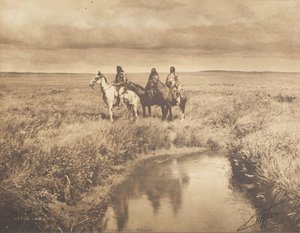
The Three Chiefs - Piegan


 Read More
Hand Made Oil Reproduction
Hand-painted oil on canvas in your size and frame, made to order by our artists. ( Buy Print Buy Image)




































Pick from our preset sizes that match the artwork's original proportions.

You may enter your own dimensions to fit a specific frame or space. If your selected size does not match the original image's proportions, we will either crop the artwork or extend the painting with additional hand-painted elements. A digital mockup will be sent for your approval before production begins.
Please note that the on-screen preview does not reflect the actual cropping or extension. Only the mockup will accurately show the final composition.
While custom sizes are available, we recommend selecting a dimension from the predefined list to preserve the original proportions.
After order, ArtsDot.com team will email client for instructions and provide a mockup preview
Worldwide Delivery () in 3/4 weeks instead of standard 5 weeks. (17 August). No compromise on quality.

Free Worldwide Express Shipping

High-Quality Linen Canvas

Full Shipping Insurance

Customs Tax Refund Guarantee

True Color Matching Guarantee

60-Day Return Policy (Defects Only)

100% Money-Back Guarantee

Bulk Discount Offer
 Glass option is only available in size under 110 CM

The Three Chiefs - Piegan
Reproduction Medium
Reproduction Size
-


Total Price
$ 263
Artwork Description
The Three Chiefs – Piegan: A Window into Blackfoot Resilience
Edward Sheriff Curtis’s “The Three Chiefs – Piegan” is more than just a photograph; it's a meticulously crafted portal into the heart of 19th-century Blackfeet culture. Executed in 1900, this striking image captures three men—leaders within the Piegan Nation—mounted on horseback against the vast, unforgiving backdrop of the Montana wilderness. The composition immediately draws the eye, anchored by the figures’ stoic postures and the powerful presence of their horses, while simultaneously conveying a sense of both strength and quiet dignity. Curtis's choice to render this scene in stark black and white amplifies its emotional resonance, stripping away any potential distraction from the subjects themselves and focusing instead on texture, form, and the subtle nuances of human expression.
Curtis’s approach to documenting Native American life was revolutionary for his time. He eschewed the stereotypical portrayals often presented in Western art, opting instead for a deeply respectful and immersive engagement with the people he photographed. He spent years traveling across the American West, living among tribes, learning their languages, and painstakingly recording their customs through photography and sound. “The Three Chiefs” exemplifies this commitment; it’s not simply a portrait but a carefully considered representation of leadership within a complex social structure. The men's clothing—distinctive blankets and adornments—speak volumes about their status, clan affiliation, and connection to the land.
A Masterclass in Pictorialism: Technique and Process
The photograph’s power lies not only in its subject matter but also in Curtis’s masterful application of pictorialist techniques. He employed a long exposure time, deliberately blurring the background to emphasize the figures and create a sense of depth. This deliberate softness contrasts sharply with the sharp detail of the men's faces and clothing, drawing attention to their individual personalities while simultaneously suggesting a connection to something larger—the spirit of the Blackfeet people and their enduring relationship with the wilderness.
Curtis utilized a wet collodion process, a demanding photographic technique requiring immediate development. This method produced images with a unique tonal range and subtle graininess – qualities that contribute significantly to the photograph’s evocative atmosphere. The slight imperfections inherent in the process—a barely perceptible haze or a ghost of an image—add to the sense of authenticity and immediacy, reminding us that this is not merely a reproduction but a tangible artifact of a specific moment in time.
Symbolism and Cultural Significance
The scene itself is rich with symbolic meaning. The three chiefs, mounted on horseback, represent leadership, authority, and connection to the hunt—a cornerstone of Blackfeet life for centuries. Horses were not merely beasts of burden; they were integral to their culture, embodying strength, freedom, and spiritual significance. The vast expanse of the Montana landscape behind them underscores the tribe’s deep-rooted connection to the land – a relationship built on respect, reciprocity, and an intimate understanding of its rhythms and resources.
Furthermore, the photograph offers a poignant glimpse into a culture facing profound change. The late 19th century was a period of immense upheaval for Native American tribes across North America, marked by treaties broken, land stolen, and cultural traditions suppressed. Curtis’s work serves as both a testament to the resilience of the Piegan people and a powerful reminder of the loss that accompanied westward expansion. The stoic expressions on the chiefs' faces hint at the burdens they carried—the weight of leadership in the face of adversity.
A Legacy of Preservation: Reproduction and Reflection
Today, “The Three Chiefs – Piegan” remains a vital piece of American art history, offering invaluable insights into the lives and culture of the Blackfeet Nation. Reproductions, such as those offered by Curtis Gallery, allow us to appreciate the photograph’s beauty and complexity while also ensuring that its story continues to be shared with future generations. When considering a reproduction, it's important to note the original was created using a platinum print process, which lends itself beautifully to high-quality reproductions that retain the tonal richness and subtle textures of the original.
Beyond its aesthetic qualities, this photograph prompts reflection on our own relationship with history, culture, and the land. It’s a powerful reminder of the importance of preserving diverse perspectives and honoring the stories of those who have shaped our world – a story that continues to unfold today.
Related Artworks
Artist Biography
Early Life and Photographic Beginnings
- Born: February 16, 1868, Whitewater, Wisconsin
- Parents: Asahel "Johnson" Curtis (Reverend, farmer, Civil War veteran) and Ellen Sheriff.
- Siblings: Raphael, Edward, Eva, and Asahel Curtis.
- Early hardships due to his father's struggles led the family to relocate to Minnesota.
- Left school in the sixth grade but demonstrated an early interest in photography, building his own camera.
- Apprenticed as a photographer in St. Paul, Minnesota, in 1885.
- Moved to Seattle, Washington, in 1887 and established photographic studios, initially partnering with Rasmus Rothi and later Thomas Guptill.
The North American Indian Project
- Genesis: Inspired by his early portraits of Native Americans like Princess Angeline (Kickisomlo), Curtis embarked on a monumental project to document the cultures and traditions of Indigenous peoples in the American West.
- Funding: Secured $75,000 from J.P. Morgan in 1906 to produce a twenty-volume series with approximately 1,500 photographs. Morgan was promised 25 sets and 500 original prints as repayment.
- Scope: The project aimed to capture not just portraits but also ethnographic details of tribal life – traditional clothing, housing, ceremonies, food, recreation, and oral histories. Curtis recorded over 10,000 wax cylinder recordings of Native American languages and music and took more than 40,000 photographic images of over 80 tribes.
- Team: Employed a team including William E. Myers (writer), Bill Phillips (logistics), and Frederick Webb Hodge (anthropologist and editor).
- Publication: Despite the initial plan for five years, the project spanned over two decades and resulted in 222 complete sets being published.
Curtis's Photographic Style and Techniques
- Soft Focus: Curtis employed a soft-focus aesthetic, which was popular at the time, to create images with a dreamlike quality. This style has been both praised for its artistic beauty and criticized for potentially romanticizing or obscuring the realities of Native American life.
- Large Format Photography: Used large format cameras to produce high-quality negatives suitable for photogravure printing.
- Photogravure Printing: A sophisticated printing technique that allowed for detailed reproduction of photographs, capturing subtle tonal variations and textures.
- Staging and Collaboration: While Curtis aimed to document authentic tribal life, some critics argue that his images were staged or influenced by Western artistic conventions. He collaborated with Native American communities, often relying on their knowledge and assistance in recreating traditional scenes.
Legacy and Historical Significance
- Preservation of Indigenous Cultures: Curtis's work is invaluable as a historical record of Native American cultures at a time when many traditions were rapidly disappearing due to assimilation policies and westward expansion.
- Complex Reception: His legacy has been subject to ongoing debate, with some praising his efforts to document Indigenous peoples while others critique the colonial gaze inherent in his project and the potential for misrepresentation or romanticization.
- Influence on Ethnographic Photography: Curtis's ambitious scope and meticulous documentation influenced subsequent generations of ethnographic photographers.
- Exhibitions and Recognition: His work has been exhibited internationally, including at the Rencontres d’Arles festival in France in 1973.
- Death: Died on October 19, 1952.
Beyond Photography: Film and Later Years
- Early Motion Pictures: Curtis experimented with motion pictures as early as 1906.
- In the Land of the Head Hunters (1914): A feature-length film depicting Kwakiutl life, notable for being one of the first films to feature an all-Native American cast.
- Later Career: After the completion of *The North American Indian*, Curtis worked in Hollywood as a portrait photographer and production still photographer.
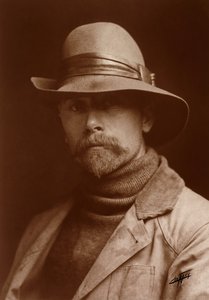
Edward Sheriff Curtis
1868 - 1952 , United States of America
Quick Facts
- Artistic Movement Or Style: Ethnographic photography
- Date Of Birth: February 16, 1868
- Date Of Death: 1952
- Full Name: Edward Sheriff Curtis
- Nationality: American
- Notable Artworks:
- Standing Two Oto
- Wakonda Oto
- Place Of Birth: Whitewater, United States
Related Articles
Shadow Catcher: Edward S. Curtis & the Ethnographic Portraiture of a Vanishing West
Explore the life & work of Edward S. Curtis, the 'Shadow Catcher,' and his groundbreaking photographic documentation of Native American cultures. Discover iconic images from *The North American Indian* and a critical look at his lasting legacy.
Gordon Parks: A Poetic Lens on American Life – Photography, Social Justice & Storytelling
Explore the profound work of Gordon Parks, a groundbreaking photographer who documented American life with unparalleled empathy and artistry. Discover his iconic images & lasting impact on social justice through Life magazine & beyond.
Beyond the Lens: Photography's Enduring Influence on Modern & Contemporary Art
Explore photography's pivotal role in shaping modern & contemporary art. Discover key movements, influential artists like Stieglitz, and expert collecting advice from ArtsDot.

Monochrome Visions: Exploring the Aesthetic & Historical Significance of Black & White Photography
Explore the rich history & artistic power of black and white photography. From early techniques to iconic masters like Ansel Adams, discover why monochrome continues to captivate art lovers today. Expert insights for collectors.
Witnessing History Through Lens & Light: Documentary Photography's Enduring Legacy
Explore the powerful history of documentary photography – from its origins to contemporary masters like Gordon Parks & W. Eugene Smith. Discover how this art form shapes our understanding of society and witness pivotal moments in time.