 Preview
 Send
Send Share
Share
 Details

 Download
 Similars
 X-Ray
X-Ray Diaporama
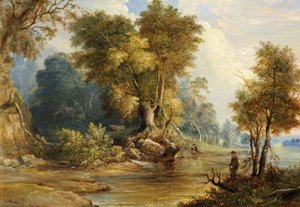
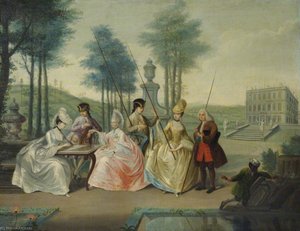
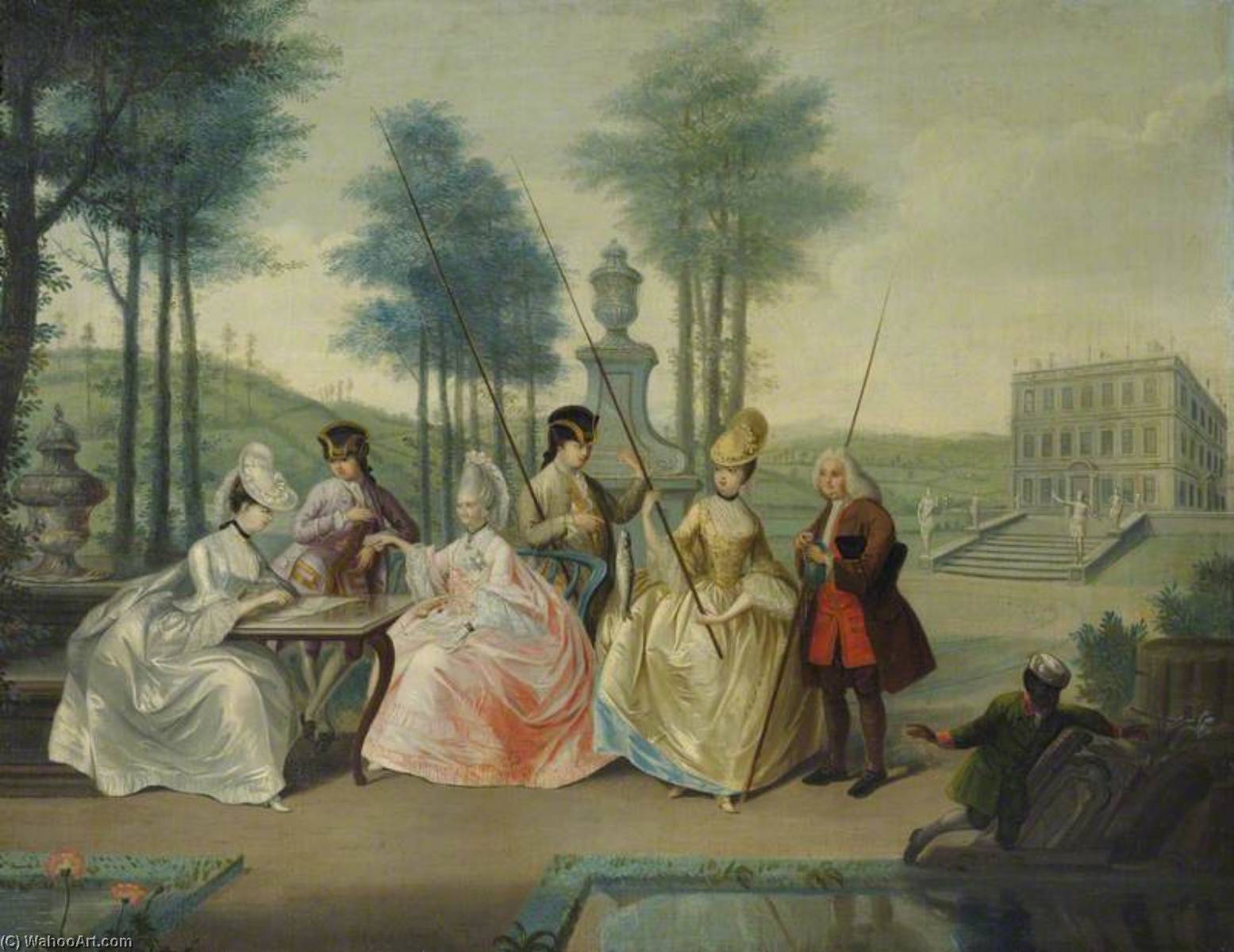
An Angling Party (The Willyams Family at Carnanton )
 1773
1773 60.0 x 78.0 cm
 Read More
Hand Made Oil Reproduction
Hand-painted oil on canvas in your size and frame, made to order by our artists. ( Buy Print Buy Image)




































Pick from our preset sizes that match the artwork's original proportions.

You may enter your own dimensions to fit a specific frame or space. If your selected size does not match the original image's proportions, we will either crop the artwork or extend the painting with additional hand-painted elements. A digital mockup will be sent for your approval before production begins.
Please note that the on-screen preview does not reflect the actual cropping or extension. Only the mockup will accurately show the final composition.
While custom sizes are available, we recommend selecting a dimension from the predefined list to preserve the original proportions.
After order, ArtsDot.com team will email client for instructions and provide a mockup preview
Worldwide Delivery () in 3/4 weeks instead of standard 5 weeks. (23 August). No compromise on quality.

Free Worldwide Express Shipping

High-Quality Linen Canvas

Full Shipping Insurance

Customs Tax Refund Guarantee

True Color Matching Guarantee

60-Day Return Policy (Defects Only)

100% Money-Back Guarantee

Bulk Discount Offer
 Glass option is only available in size under 110 CM

An Angling Party (The Willyams Family at Carnanton )
Reproduction Medium
Reproduction Size
-


Total Price
$ 263
Related Artworks








Artist Biography
The Visionary Landscapes of Edward Smith
Edward Smith (1850 – 1912) stands as a singular figure in Victorian British art, recognized primarily for his monumental canvases depicting mythological scenes—particularly the biblical Flood—and expansive landscapes imbued with an almost unsettling grandeur. While overshadowed by contemporaries like Turner and Constable during his lifetime, Smith’s distinctive style has garnered renewed appreciation in recent decades, cementing his place as a pivotal artist of the era and influencing subsequent generations of painters. His work transcends mere representation; it strives to convey profound emotional resonance and philosophical contemplation, reflecting the anxieties and aspirations of a society grappling with scientific advancements alongside spiritual yearning.
Born in Hanley, Staffordshire, Smith’s upbringing amidst a family of potters instilled an appreciation for craftsmanship and detail—traits that would become hallmarks of his artistic practice. His father's involvement in the American Civil War shaped his worldview, fostering a fascination with history and storytelling. Despite facing personal hardships including familial discord and debilitating illness, Smith persevered in pursuing his artistic ambitions. He honed his skills at the British School in Etruria before embarking on a self-directed artistic journey, absorbing inspiration from Romantic painters like Turner and Friedrich, particularly their masterful manipulation of light and atmosphere.
A Mastery of Atmosphere and Narrative
Smith’s artistic evolution was marked by an engagement with Symbolist aesthetics, evident in his use of muted palettes and evocative imagery that demonstrated an intellectual curiosity extending far beyond mere visual technique. His ability to blend naturalist observation with symbolic commentary allowed him to create works that felt both grounded in reality and elevated by myth. This is perhaps most strikingly realized in his depictions of the English countryside, where he captured the serene essence of rural life through scenes such as At Elmore, Gloucester. In these works, a sense of peace pervades the atmosphere, often punctuated by the delicate presence of birds flying overhead, adding to the harmony of the composition.
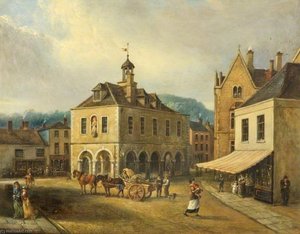
Beyond the tranquil, however, lies the dramatic power of his larger-scale compositions. His magnum opus, “The Flood,” exemplifies his grand artistic vision. Measuring over 10 feet by 20 feet, this monumental piece showcases his capacity for depicting apocalyptic landscapes with a sense of awe and terror. Whether he was painting the bustling town square of Market House, Dursley or the quiet river scenes of the Leadon, Smith possessed a unique ability to imbue every subject with a sense of historical weight and atmospheric depth.
Legacy and Historical Significance
The legacy of Edward Smith resides not only in the physical canvases he left behind but in the way his work continues to provoke thought regarding our relationship with the natural world. His paintings often serve as a striking blend of naturalist observation and symbolic commentary, reflecting deep-seated anxieties about environmental degradation and the passage of time. Today, his contributions to British art history are preserved in significant collections, including:
- The Museum of Gloucester: Housing cherished works like At Elmore, Gloucester, which offer a window into late 19th-century rural life.
- Louisiana State University Art Collection: Where his evocative depictions of birds and landscapes continue to inspire scholars and art enthusiasts alike.
- Public Exhibitions: Showcasing his distinctive vision and the enduring power of his mythological and landscape narratives.
Through his meticulous attention to detail and his ability to capture the ephemeral qualities of light and shadow, Edward Smith remains a vital voice in the history of Victorian painting, reminding us of the profound connection between the landscapes we inhabit and the myths we carry within us.
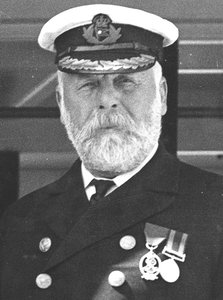
Quick Facts
- Artistic Movement Or Style: Political Strategy
- Artists Or Movements Influenced By This Artist: ['Ted Kennedy']
- Artists Who Influenced This Artist: ['John F. Kennedy']
- Date Of Birth: September 24, 1927
- Date Of Death: August 19, 1990
- Full Name: Stephen Edward Smith
- Nationality: American
- Notable Artworks: ['']
- Place Of Birth: Bayport, Long Island, New York