 Preview
 Send
Send Share
Share
 Details

 Download
 Similars
 X-Ray
X-Ray Diaporama
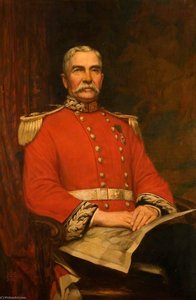
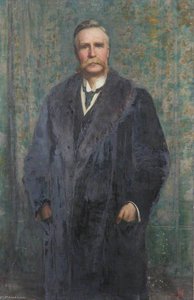
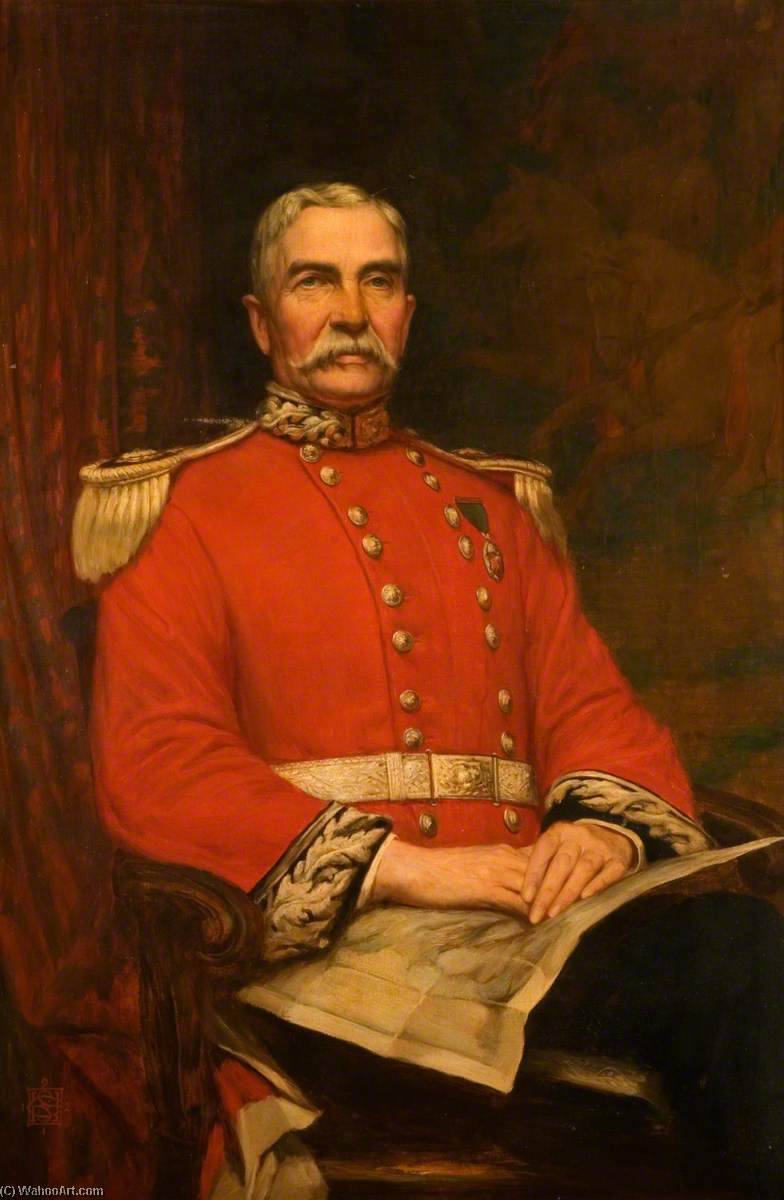
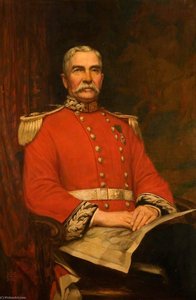
Lieutenant Colonel Joseph Henry Wilkinson (1845–1931), DL, JP, VD
 1921
1921 126.0 x 84.0 cm
 Staffordshire County Buildings
 Read More
Hand Made Oil Reproduction
Hand-painted oil on canvas in your size and frame, made to order by our artists. ( Buy Print Buy Image)




































Pick from our preset sizes that match the artwork's original proportions.

You may enter your own dimensions to fit a specific frame or space. If your selected size does not match the original image's proportions, we will either crop the artwork or extend the painting with additional hand-painted elements. A digital mockup will be sent for your approval before production begins.
Please note that the on-screen preview does not reflect the actual cropping or extension. Only the mockup will accurately show the final composition.
While custom sizes are available, we recommend selecting a dimension from the predefined list to preserve the original proportions.
After order, ArtsDot.com team will email client for instructions and provide a mockup preview
Worldwide Delivery () in 3/4 weeks instead of standard 5 weeks. (28 August). No compromise on quality.

Free Worldwide Express Shipping

High-Quality Linen Canvas

Full Shipping Insurance

Customs Tax Refund Guarantee

True Color Matching Guarantee

60-Day Return Policy (Defects Only)

100% Money-Back Guarantee

Bulk Discount Offer
 Glass option is only available in size under 110 CM

Lieutenant Colonel Joseph Henry Wilkinson (1845–1931), DL, JP, VD
Reproduction Medium
Reproduction Size
-


Total Price
$ 263
Related Artworks









Artist Biography
The Soul in the Shadow: The Artistry of Edward Steel Harper II
To step into the world of Edward Steel Harper II is to enter a realm where the boundaries between meticulous realism and profound psychological depth begin to dissolve. Born in the picturesque coastal town of Lyme Regis, Dorset, Harper emerged during a transformative era in British art—a period caught in the delicate tension between the fading echoes of Victorian tradition and the burgeoning, light-drenched innovations of Impressionism. His work does not merely present a likeness; it serves as a window into the internal landscapes of his subjects, capturing the quiet, often unspoken tensions of the human condition with an almost haunting precision.
The foundation of Harper’s mastery can be traced back to his formative years under the guidance of Joseph Henry Wilkinson. A celebrated landscape painter, Wilkinson imparted more than just technical proficiency; he instilled in Harper a reverence for tonal harmony and the atmospheric weight of a scene. From this mentorship, Harper learned that light is not merely an external force but a tool to sculpt mood and character. This influence is evident in his ability to manipulate shadows, using them to frame faces and drapery in a way that suggests a narrative far deeper than what is visible on the surface.
A Palette of Restraint and Realism
While many of his contemporaries sought the vibrant, often jarring colors of modernism, Harper found his strength in restraint. His aesthetic was defined by a sophisticated, muted palette—a deliberate selection of earthy ochres, somber greys, and deep, resonant browns. This choice was far from a limitation; rather, it allowed him to focus the viewer's attention on the subtle gradations of tone and the intricate textures of his subjects. Whether rendering the delicate translucency of skin or the heavy, tactile folds of Victorian drapery, Harper achieved a level of realism that felt both physically tangible and emotionally resonant.
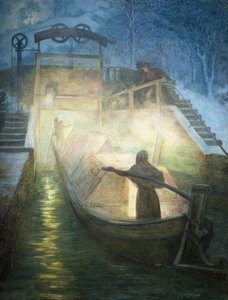
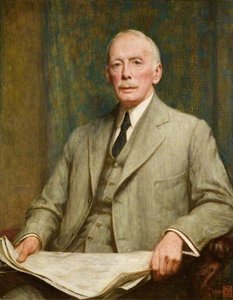
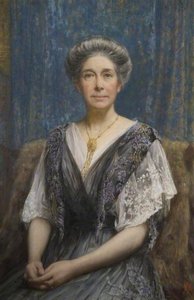
His commissions reflected the social fabric of his time, bringing him into contact with the era's intellectual and industrial elite. Through these portraits, he documented the dignity of academics and the formidable presence of industrialists, yet he always infused these figures with a sense of vulnerability or introspection. In works such as Guillotine Lock at Lifford, one can observe how his use of visual cues—a specific tilt of the head or a lingering gaze—directs the viewer inward, inviting an exploration of the subject's unspoken thoughts and hidden emotions.
Legacy of the Victorian Narrative
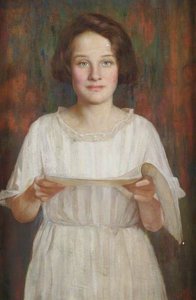
The significance of Edward Steel Harper II lies in his ability to bridge the gap between the historical and the personal. He was a painter of narratives, capable of turning a single portrait into a sprawling story of identity and era. His technical prowess, characterized by an unparalleled accuracy in detail, ensured that his subjects remained timeless, even as the world around them underwent radical shifts. Even in his more tender explorations, such as Prelude, Portrait of a Young Girl, where he masterfully employs light to illuminate youthful innocence, there remains an underlying complexity that prevents the work from becoming mere sentimentality.
As we look back upon his oeuvre, we see an artist who stood at a crossroads of history. He honored the rigorous standards of the past while embracing the psychological intimacy that would define much of modern portraiture. His legacy is found in those quiet moments of observation—the way a shadow falls across a cheek or the weight of a gaze—reminding us that true art lies in the ability to capture the fleeting, ephemeral essence of life through the enduring medium of paint.
Quick Facts
- Artistic Movement Or Style: Victorian Painting
- Artists Who Influenced This Artist: ['Joseph Henry Wilkinson']
- Date Of Birth: 1878
- Date Of Death: Living
- Full Name: Edward Steel Harper II
- Nationality: British
- Notable Artworks:
- Guillotine Lock at Lifford
- Prelude, Portrait of a Young Girl
- Place Of Birth: Lyme Regis, England