

 Preview
 Send
Send Share
Share
 Details

 Download
 Similars
 X-Ray
X-Ray Diaporama
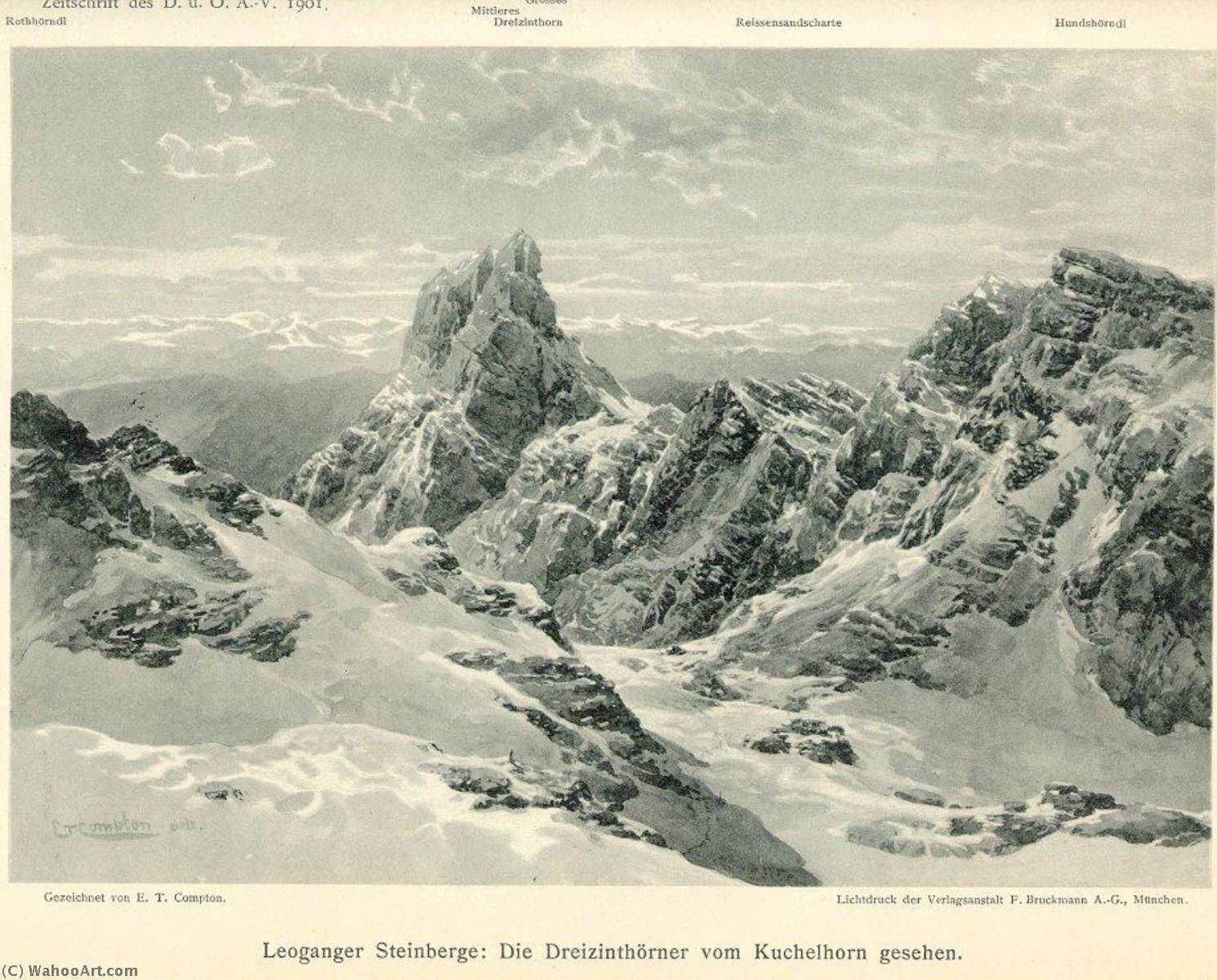
Deutsch Leoganger Steinberge, Die Dreizinthörner vom Kuchelhorn gesehen


 Read More
Purchase a high-resolution, enhanced digital image, far superior to the online preview.
Each file is meticulously prepared by our in-house specialists using advanced tools and expert manual retouching. We ensure every image has exceptional clarity, precise color accuracy, and fine detail.
The final file is delivered via email within 72 hours, optimized for immediate use in professional, editorial, and print environments. This is the same quality trusted by top-tier design studios, publishers, and galleries.
Digital Image
Download a high-resolution file for personal display, printing, and creative projects. ( Buy Print Buy Hand Made Painting)
Included in Every Digital Image Order
Expert Digital Delivery, Guaranteed
When you choose ArtsDot.com, you're not just getting an image - you're receiving a professionally enhanced digital artwork, crafted with precision and backed by a satisfaction guarantee. Here's everything that comes with your order, automatically:

Fast Email Delivery
Your high-resolution digital image file will be emailed to you within 72 hours of ordering - ready for immediate use.

AI-Enhanced Digital File
Your artwork is professionally optimized using advanced AI tools and manual editing, ensuring maximum detail, clarity, and color accuracy.

Free Lifetime Re-Delivery
Accidentally deleted or lost your file? No worries - we'll resend it to you anytime, free of charge.

No Import Fees - Ever
Enjoy your artwork instantly with zero customs, duties, or delivery fees - digital downloads are always tax-free.

Color Accuracy Guarantee
We ensure your digital image reflects the original colors as closely as possible using professional tools and color management.

60-Day Satisfaction Guarantee
If you're not satisfied with your digital image, we'll revise it or refund 100% within 60 days - no questions asked.

100% Money-Back Guarantee
Not satisfied? Get a full refund within 60 days of receiving your digital file - no questions asked.

Bulk Order Discounts
Buy 3 images, save 10% - Buy 5, save 15% - Buy 10+, save 20%. Great for creative projects, galleries, and agencies.
Collectible Description
A Dramatic Vision of the Italian Alps
This captivating lithograph transports the viewer directly to the rugged beauty of the Leontiner Steingebirge mountains in South Tyrol. Created in 1901 by Edward Theodore Compton, a pioneer known for his detailed and evocative watercolor depictions of Alpine landscapes, this piece offers a powerful glimpse into the grandeur of nature. The composition is dominated by the imposing Drei Zinthörner peaks – the “Three Zinnen” – their jagged silhouettes etched against a dramatic sky. The artist’s meticulous attention to detail captures the raw texture of the rock formations and the glistening expanse of the snowfield, creating a truly immersive experience.
Lithographic Technique & Artistic Vision
Compton's mastery is evident in his skillful application of lithography – a technique that relies on transferring ink from stone to paper. This process allowed him to achieve remarkable tonal variations and sharp lines, essential for rendering the complex contours of the mountains. The slightly grainy appearance of the print isn’t a flaw but rather a characteristic of the medium, adding a vintage quality and enhancing the sense of realism. The use of atmospheric perspective – with distant elements rendered paler and less distinct – further emphasizes the immense scale of the landscape and creates a believable three-dimensional effect. Note the careful rendering of light and shadow, suggesting an overcast day that softens the harshness of the peaks while simultaneously highlighting their imposing presence.
Symbolism & Historical Context
More than just a topographical representation, this lithograph embodies the Romantic fascination with nature’s power and sublime beauty. The “Three Zinnen” themselves hold symbolic significance within local folklore, representing ancient guardians or perhaps even geological formations imbued with spiritual meaning. Created during a period of burgeoning interest in landscape painting and scientific exploration of the Alps, Compton's work reflects this broader cultural shift. The image was produced at a time when detailed cartography and artistic representation were converging to document and celebrate the natural world. The fact that it was created by an English artist working in Germany highlights the cross-cultural exchange of ideas and artistic styles prevalent at the turn of the 20th century.
A Legacy of Alpine Art
Edward Theodore Compton’s legacy extends beyond this single lithograph; he is recognized as a pivotal figure in the development of alpine watercolor painting. His dedication to observation, combined with his technical skill and artistic sensitivity, resulted in works that continue to inspire awe and admiration for the dramatic beauty of the European Alps. This reproduction offers an exceptional opportunity to own a piece of art history – a testament to Compton’s vision and a stunning representation of one of Italy's most iconic mountain ranges.
Related Artworks
Artist Biography
Edward Theodore Compton: Pioneer of Alpine Watercolor
Edward Theodore Compton, a singular figure in the artistic landscape of late 19th and early 20th century Europe, stands as an extraordinary testament to the intersection of art and adventure. Born in Stoke Newington, London, in 1849, Compton’s upbringing within a Quaker household instilled a profound appreciation for simplicity and moral integrity—values that would undoubtedly shape his artistic vision. Despite attending various art schools including the Royal Academy, he largely pursued self-education, honing his skills through meticulous observation and tireless experimentation. His journey to Darmstadt, Germany, in 1867, marked a pivotal moment, propelling him into a vibrant artistic community led by Grand Duke Ludwig III and fostering an enduring fascination with alpine scenery.- Early Influences: Compton’s formative years were steeped in Quaker spirituality and nurtured by his father's passion for art, exposing him to influential Impressionist painters like Claude Monet and Pierre-Auguste Renoir.
- Academic Training & Darmstadt: Although he didn’t formally graduate from the Royal Academy, Compton benefited greatly from studying alongside Alice, Princess of Hesse, gaining invaluable experience in artistic technique and fostering connections within a burgeoning artistic milieu.
The Alpine Obsession: From Sketches to Masterpieces
A transformative trip to the Bernese Oberland in 1868 ignited Compton’s lifelong devotion to capturing the majesty of the Alps, particularly the iconic trio – Eiger, Mönch and Jungfrau. The breathtaking panorama captivated him, inspiring a series of watercolor paintings that would become synonymous with alpine art. His meticulous sketches documented the rugged terrain and dramatic lighting conditions, demonstrating an unwavering commitment to accuracy alongside artistic sensitivity. This experience cemented his belief in the power of observation as the cornerstone of artistic creation.- Technique: Compton’s distinctive style involved layering thin washes of watercolor pigment onto paper, achieving luminous effects that conveyed the ethereal beauty of mountain landscapes.
- Notable Works: Among his most celebrated paintings are “Deutsch Im Wald von Valdoniello” and “Deutsch Grohmannspitze und (rechts) Fünffingerspitzen,” which exemplify his masterful rendering of alpine vistas.
A Mountaineer’s Eye: Beyond the Canvas
Compton wasn't merely a painter; he was an intrepid mountaineer who ascended over 300 peaks, including 27 first ascents—a remarkable feat that solidified his reputation as one of Britain’s foremost climbers. His expeditions to Austria, Scandinavia, North Africa, Corsica and Spain yielded invaluable visual material for his artwork, informing his compositions with firsthand experience of mountain environments. The photograph “Deutsch Allalin , Strahl und Rimpfischhorn von der Ostflanke des Alphubel” showcases Compton's dedication to topographical accuracy combined with artistic vision.- Impact on Art: Compton’s mountaineering exploits profoundly influenced his art, imbuing his paintings with a sense of dynamism and conveying the challenges faced by climbers in confronting formidable terrain.
- Legacy: Compton's contribution to alpine art is undeniable; he elevated watercolor painting to new heights, establishing it as the medium of choice for depicting mountainous landscapes with unparalleled beauty and realism.
Villa Compton & Continued Artistic Exploration
Settling in Feldafing on Lake Starnberg in 1874, Compton established a tranquil home alongside his wife Auguste Plotz, fostering an environment conducive to artistic pursuits. He continued to travel extensively, documenting his impressions in watercolors and ink drawings—a testament to his unwavering curiosity and artistic impulse. His work reflects not only the grandeur of alpine scenery but also the subtle nuances of light and atmosphere, demonstrating Compton’s mastery of Impressionist techniques.- Later Career: Compton's artistic output remained prolific throughout his life, showcasing a remarkable adaptability to diverse subjects and mediums.
- Historical Significance: Compton’s legacy extends beyond his artistic achievements; he embodies the spirit of exploration and creativity—a figure who seamlessly blended passion for art with daring adventure.
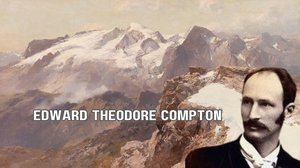
Edward Theodore Compton
1849 - 1921
Quick Facts
- Artistic Movement Or Style: Alpine Art
- Artists Or Movements Influenced By This Artist: ['Impressionism']
- Artists Who Influenced This Artist: ['']
- Date Of Birth: 1849
- Date Of Death: 1921
- Full Name: Edward Theodore Compton
- Nationality: English
- Notable Artworks:
- Deutsch Im Wald von Valdoniello
- Deutsch Grohmannspitze und (rechts) Fünffingerspitzen
- Place Of Birth: Stoke Newington, London

