 Preview
 Send
Send Share
Share
 Details

 Download
 Similars
 X-Ray
X-Ray Diaporama
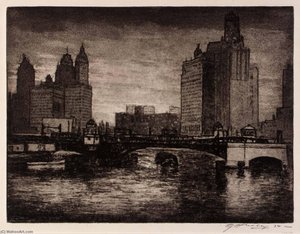
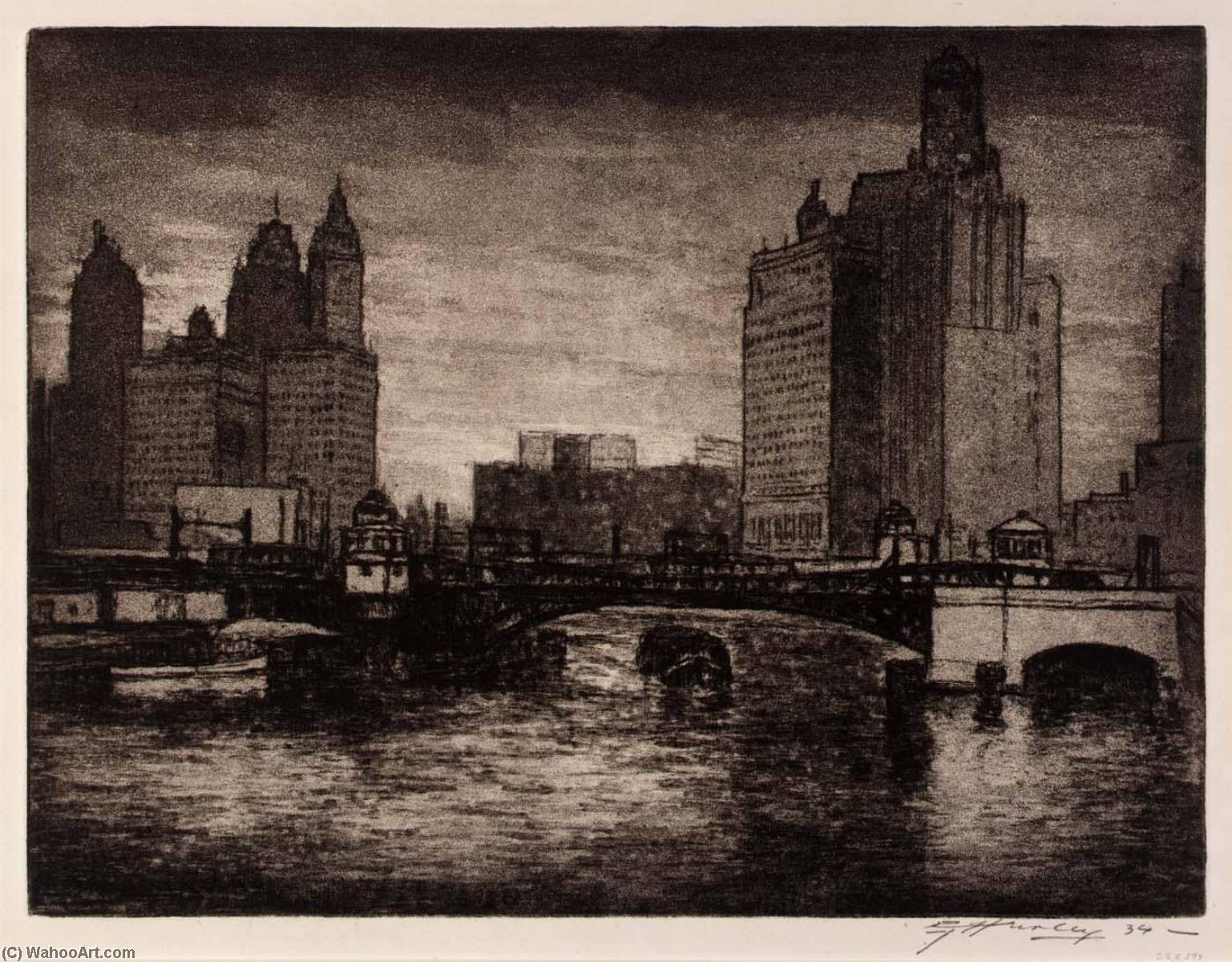
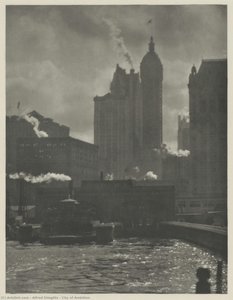
City Towers (Chicago River)
 1934
1934 23.0 x 30.0 cm
 Read More
Hand Made Oil Reproduction
Hand-painted oil on canvas in your size and frame, made to order by our artists. ( Buy Print Buy Image)




































Pick from our preset sizes that match the artwork's original proportions.

You may enter your own dimensions to fit a specific frame or space. If your selected size does not match the original image's proportions, we will either crop the artwork or extend the painting with additional hand-painted elements. A digital mockup will be sent for your approval before production begins.
Please note that the on-screen preview does not reflect the actual cropping or extension. Only the mockup will accurately show the final composition.
While custom sizes are available, we recommend selecting a dimension from the predefined list to preserve the original proportions.
After order, ArtsDot.com team will email client for instructions and provide a mockup preview
Worldwide Delivery () in 3/4 weeks instead of standard 5 weeks. (24 August). No compromise on quality.

Free Worldwide Express Shipping

High-Quality Linen Canvas

Full Shipping Insurance

Customs Tax Refund Guarantee

True Color Matching Guarantee

60-Day Return Policy (Defects Only)

100% Money-Back Guarantee

Bulk Discount Offer
 Glass option is only available in size under 110 CM

City Towers (Chicago River)
Reproduction Medium
Reproduction Size
-


Total Price
$ 263
Related Artworks








Artist Biography
Edward Timothy Hurley: Painter of Rural Charm and Victorian Nostalgia
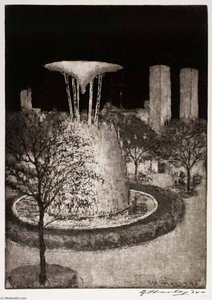
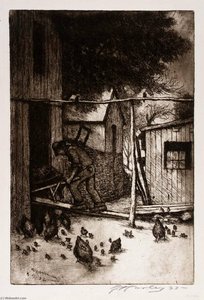
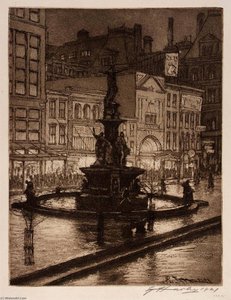
Edward Timothy Hurley (born 1936) stands as a distinctive figure in American Regionalism, celebrated for his captivating depictions of rural landscapes imbued with the spirit of the Edwardian era. While perhaps less internationally recognized than some contemporaries, Hurley’s oeuvre possesses a singular beauty—a meticulous attention to detail and an evocative tonal palette that capture the essence of pastoral England and its enduring appeal. Hurley's artistic journey began in Stourbridge, Worcestershire, where he attended King Edward VI College, fostering an early appreciation for art and culture. This formative experience undoubtedly instilled within him a fascination with Victorian aesthetics—a penchant for richly textured surfaces, muted colors, and compositions that prioritize atmosphere over dramatic gesture. Influenced by luminaries like Burne-Jones, whose fantastical murals celebrated mythic narratives and idealized beauty, Hurley adopted a stylistic approach characterized by meticulous observation and skillful rendering of natural forms. His artistic development progressed through postgraduate studies at Yale University School of Art, honing his technical skills and broadening his visual vocabulary. However, Hurley steadfastly remained committed to his core aesthetic principles—a dedication to capturing the subtle nuances of light and color that define rural landscapes. He eschewed grand narratives or overtly expressive brushstrokes, preferring instead to present scenes of tranquil meadows, quaint villages, and picturesque countryside vistas rendered with remarkable precision. Hurley’s artistic output is notable for its prolificness and stylistic consistency. He produced over 300 paintings throughout his career, establishing himself as a master of tonal painting—a technique that prioritizes the manipulation of color to convey mood and emotion rather than relying on sharp outlines or vibrant hues. His canvases are distinguished by their luminous quality—the artist’s masterful blending of pigments creates an illusion of depth and luminosity that transports viewers into the heart of his subjects. Recurring motifs include barns, churches, and rural dwellings bathed in soft afternoon light, reflecting a deep connection to the traditions and landscapes of Britain's Victorian past. Among Hurley’s most celebrated works are “Kentucky Barnyard” (1968) and “Electrical Fountain, Chicago Fair, 1934,” pieces that exemplify his signature style and demonstrate his ability to distill complex emotions into deceptively simple compositions. "Kentucky Barnyard" portrays a serene farmhouse nestled amidst rolling hills—a scene rendered with painstaking detail and bathed in the golden glow of twilight. Similarly, “Electrical Fountain” captures the spectacle of Chicago’s World's Fair, depicting the dazzling display of illuminated fountains against a dusky sky. These paintings stand as testament to Hurley’s enduring legacy—his ability to evoke profound feelings of nostalgia and tranquility through masterful observation and skillful execution. Hurley’s contribution to American art extends beyond his individual canvases; he served as Professor Emeritus at Yale University, mentoring generations of aspiring artists and fostering a tradition of meticulous realism rooted in Victorian sensibilities. His work continues to inspire admiration for its understated elegance and profound connection to the timeless beauty of rural England—a testament to Hurley's unwavering devotion to artistic integrity and enduring vision.
Quick Facts
- Artistic Movement Or Style: American Regionalism
- Artists Or Movements Influenced By This Artist: ['Victorian Fair Paintings']
- Artists Who Influenced This Artist: ['Burne-Jones']
- Date Of Birth: 1930
- Full Name: Edward Timothy Hurley
- Nationality: British
- Notable Artworks:
- Kentucky Barnyard
- Electrical Fountain, Chicago Fair, 1934
- Place Of Birth: Stourbridge, England