 Preview
 Send
Send Share
Share
 Details

 Download
 Similars
 X-Ray
X-Ray Diaporama
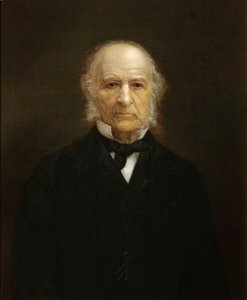
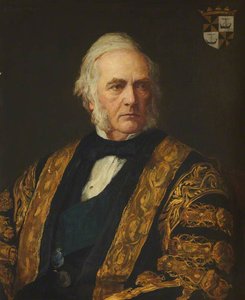
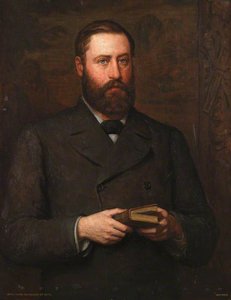
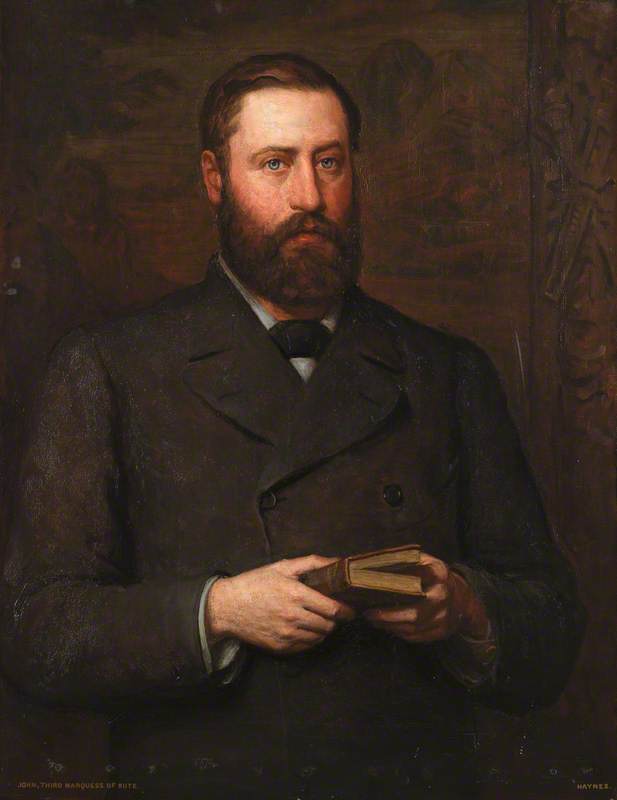
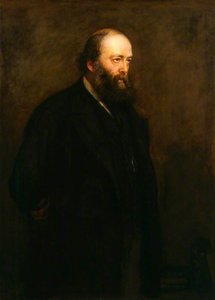
John Patrick Crichton Stuart (1847–1900), 3rd Marquess of Bute
 92.0 x 71.0 cm
 Read More
Hand Made Oil Reproduction
Hand-painted oil on canvas in your size and frame, made to order by our artists. ( Buy Print Buy Image)




































Pick from our preset sizes that match the artwork's original proportions.

You may enter your own dimensions to fit a specific frame or space. If your selected size does not match the original image's proportions, we will either crop the artwork or extend the painting with additional hand-painted elements. A digital mockup will be sent for your approval before production begins.
Please note that the on-screen preview does not reflect the actual cropping or extension. Only the mockup will accurately show the final composition.
While custom sizes are available, we recommend selecting a dimension from the predefined list to preserve the original proportions.
After order, ArtsDot.com team will email client for instructions and provide a mockup preview
Worldwide Delivery () in 3/4 weeks instead of standard 5 weeks. (23 August). No compromise on quality.

Free Worldwide Express Shipping

High-Quality Linen Canvas

Full Shipping Insurance

Customs Tax Refund Guarantee

True Color Matching Guarantee

60-Day Return Policy (Defects Only)

100% Money-Back Guarantee

Bulk Discount Offer
 Glass option is only available in size under 110 CM

John Patrick Crichton Stuart (1847–1900), 3rd Marquess of Bute
Reproduction Medium
Reproduction Size
-


Total Price
$ 263
Related Artworks








Artist Biography
A Chronicler of an Era: The Life and Art of Edward Travanyon Haynes
Edward Travanyon Haynes (1840-1922) occupies a fascinating, if often overlooked, niche in the pantheon of Victorian portraiture. He wasn’t a flamboyant innovator like Sargent or Whistler, nor did he strive for the Pre-Raphaelite brotherhood's romantic intensity. Instead, Haynes carved his reputation as a meticulous and highly skilled recorder of British society at its zenith – a chronicler of power, intellect, and aristocratic bearing. Born into a world rapidly transforming by industrialization and imperial expansion, Haynes’ art reflects both the stability he sought to capture and the subtle anxieties simmering beneath the polished veneer of Victorian life. While biographical details remain somewhat sparse, his body of work speaks volumes about his dedication to realism, his mastery of technique, and his keen understanding of character. He wasn't painting ideals; he was painting *people*, and in doing so, created a valuable historical record far beyond mere likenesses.Early Training and the Pursuit of Realism
The specifics of Haynes’ early artistic training are not extensively documented, but it is believed he received formal instruction at a leading art school – likely in London. The prevailing aesthetic climate during his formative years emphasized academic realism, a style that prioritized accurate representation and technical proficiency above all else. This influence is profoundly evident in his work. Unlike many of his contemporaries who experimented with looser brushwork or subjective interpretations, Haynes embraced detail with unwavering commitment. He meticulously rendered fabrics, textures, and the subtle nuances of facial expression. His early works demonstrate a clear fascination with light and shadow, skillfully employed to sculpt form and create a sense of depth. This dedication wasn’t simply about technical prowess; it was about capturing the essence of his sitters – their status, intelligence, and inner lives. He understood that in portraiture, every detail mattered, contributing to the overall narrative conveyed by the image.Portraits of Power: Haynes' Rise to Prominence
Haynes’ career truly blossomed with his commissions from prominent political figures and members of the British aristocracy. He became particularly known for his portraits of William Ewart Gladstone, the four-time Prime Minister, producing a series of images that captured Gladstone at various stages of his illustrious career. These weren't merely official state portraits; Haynes imbued them with a sense of intellectual gravitas and moral authority. Beyond Gladstone, he painted numerous members of the Windsor family, solidifying his position as a favored portraitist within royal circles. His ability to convey both power and personality attracted a steady stream of wealthy patrons eager to immortalize their likenesses. His portraits weren’t simply about displaying wealth or status; they were statements of identity and belonging. The meticulous detail in the clothing, furnishings, and backgrounds served as visual cues to the sitter's social standing and cultural affiliations.Technique and Style: A Master of Victorian Convention
Haynes’ technical approach was rooted in traditional oil painting techniques. He built up layers of paint with careful precision, employing a glazing method to achieve rich colors and subtle tonal variations. His brushwork is generally smooth and refined, avoiding overt displays of virtuosity. He prioritized clarity and accuracy over expressive flourishes. The compositions are typically straightforward and conventional, often featuring the sitter posed against a neutral background or within an elegant interior setting. However, within these constraints, Haynes demonstrated a remarkable ability to capture individual character. He paid close attention to the eyes – considered the windows to the soul – and skillfully rendered the subtle expressions that revealed his sitters’ inner thoughts and emotions. His use of light is particularly noteworthy, often employing dramatic chiaroscuro effects to highlight key features and create a sense of psychological depth.Legacy and Historical Significance
While Haynes may not be as widely celebrated as some of his more avant-garde contemporaries, his contribution to Victorian art history is significant. His portraits offer invaluable insights into the lives and personalities of Britain’s ruling elite during a period of profound social and political change.- His work provides a visual record of fashion, interior design, and material culture.
- He captured the likenesses of key historical figures, preserving their images for posterity.
- His dedication to realism reflects the Victorian emphasis on accuracy and detail.
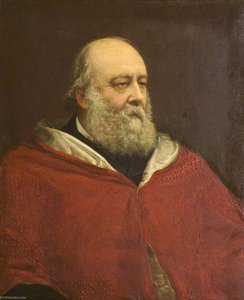
edward travanyon haynes
1840 - 1922
Quick Facts
- Artistic Movement Or Style: Victorian Portraiture
- Artists Or Movements Influenced By This Artist: ['Burne-Jones']
- Artists Who Influenced This Artist: ['Anthony van Dyck']
- Date Of Birth: 1840
- Date Of Death: 1922
- Full Name: Edward Travanyon Haynes
- Nationality: British
- Notable Artworks:
- Gladstone Painting
- Windsor Portrait
- Place Of Birth: Stourbridge, UK