 Preview
 Send
Send Share
Share
 Details

 Download
 Similars
 X-Ray
X-Ray Diaporama
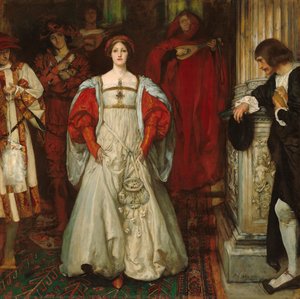
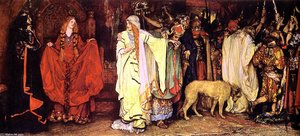
'Who Is Sylvia? What Is She, That All the Swains Commend Her?'
 Oil On Canvas
- WallArt
- Academic Realism
 1900
1900 158.0 x 158.0 cm
 Read More
Hand Made Oil Reproduction
Hand-painted oil on canvas in your size and frame, made to order by our artists. ( Buy Print Buy Image)




P118B $10

P118H $10

P118W $10

P438Z $10

P508JH $12

P508YH $12

P805H $10

P805Z $10

P919BZ $10

P919G $10

P919XJ $10

P959ZH $10

P968JZ $12

W106C $8

W218G $10

W218JH $8

W218Y $10

W307PJ $10

W316G $10

W316PJ $8

W316Y $10

W398PJ $8

W4111J $10

W500HY $15

W500JH $15

W692G $12

W849H $8

W940BG $15

W953PJ $8




Pick from our preset sizes that match the artwork's original proportions.

You may enter your own dimensions to fit a specific frame or space. If your selected size does not match the original image's proportions, we will either crop the artwork or extend the painting with additional hand-painted elements. A digital mockup will be sent for your approval before production begins.
Please note that the on-screen preview does not reflect the actual cropping or extension. Only the mockup will accurately show the final composition.
While custom sizes are available, we recommend selecting a dimension from the predefined list to preserve the original proportions.
After order, ArtsDot.com team will email client for instructions and provide a mockup preview
Worldwide Delivery () in 3/4 weeks instead of standard 5 weeks. (27 August). No compromise on quality.

Free Worldwide Express Shipping

High-Quality Linen Canvas

Full Shipping Insurance

Customs Tax Refund Guarantee

True Color Matching Guarantee

60-Day Return Policy (Defects Only)

100% Money-Back Guarantee

Bulk Discount Offer
 Glass option is only available in size under 110 CM

'Who Is Sylvia? What Is She, That All the Swains Commend Her?'
Reproduction Medium
Reproduction Size
-


Total Price
$ 263
Edwin Austin Abbey’s ‘Who Is Sylvia? What Is She, That All the Swains Commend Her?’ – A Portrait of Victorian Adoration
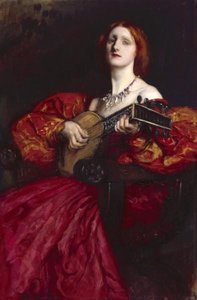
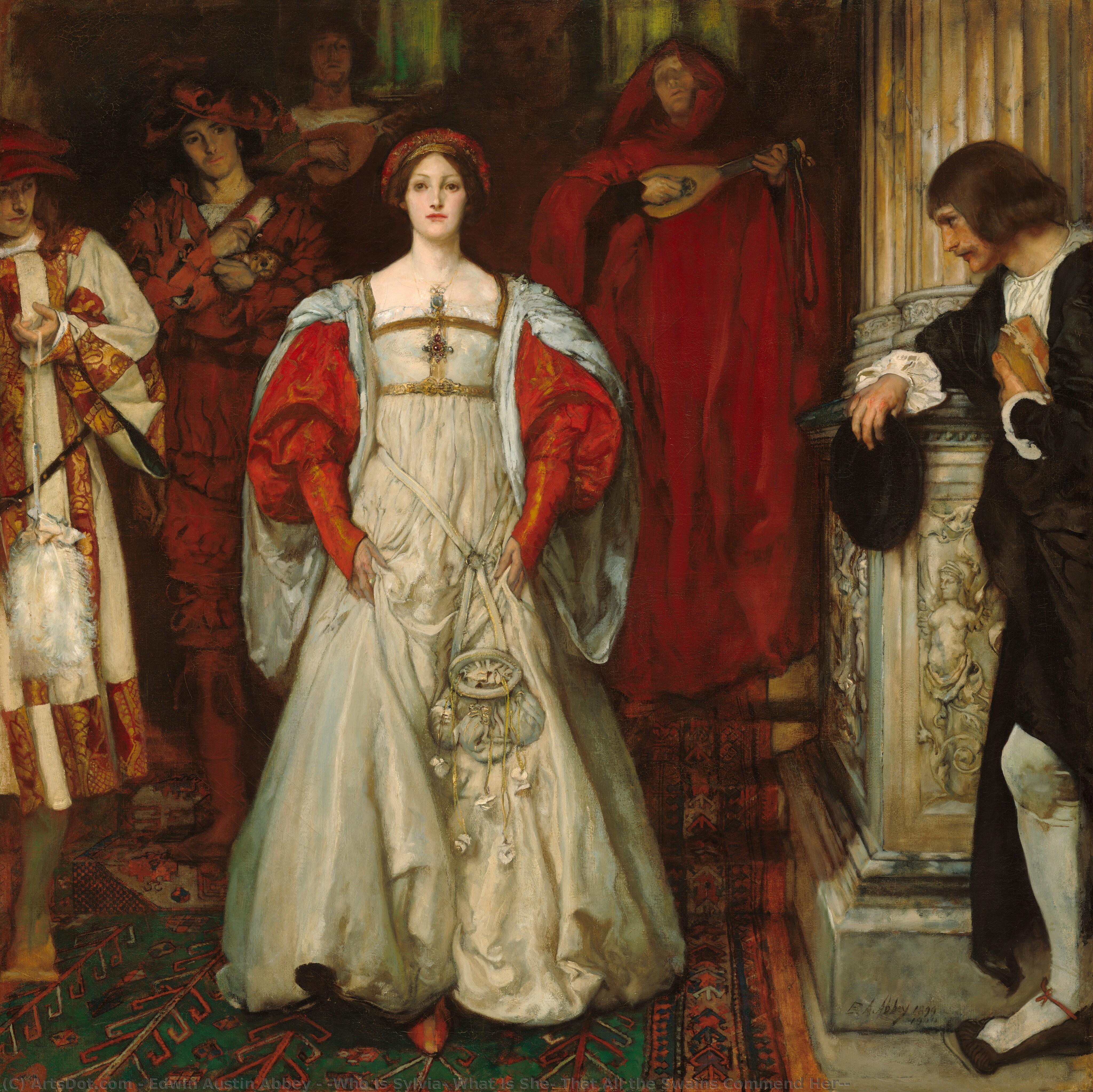
Edwin Austin Abbey's “Who Is Sylvia? What Is She, That All the Swains Commend Her?” (1900) is more than just a beautiful painting; it’s a meticulously crafted window into the social and aesthetic sensibilities of late 19th-century England. Measuring 158 x 158 cm, this oil on canvas captures a moment of intense admiration – Sylvia, the central figure, surrounded by an entourage of musicians and admirers, embodies the idealized beauty and talent that captivated Victorian society. Abbey’s masterful use of light and shadow, reminiscent of Menzel and Vierge, elevates the scene beyond a simple portrait, transforming it into a narrative tableau.
- Subject Matter: The painting depicts Sylvia, a young woman descending carpeted stairs, immediately establishing her as an object of desire and attention.
- Composition: Abbey’s deliberate composition draws the viewer's eye to Sylvia, positioning her at the heart of the scene while the surrounding figures subtly reinforce her importance.
- Technique: The artist employs a rich, detailed technique, characteristic of his era, utilizing layering and glazing to achieve a luminous effect and capture the textures of fabric, hair, and jewels.
A Symphony of Color and Symbolism
The color palette is deliberately opulent – creamy whites, vibrant ruby reds, and shimmering golds dominate the scene, immediately conveying wealth and status. Sylvia’s gown, with its bold red sleeves and jeweled accents, acts as a visual focal point, drawing attention to her beauty. The angular red and forest green rug beneath her feet adds to the dramatic effect, while the fluted parchment-colored column adorned with imaginary creatures introduces an element of fantastical whimsy. Beyond mere decoration, these colors and motifs were deeply symbolic within Victorian culture, representing passion, status, and a yearning for the idealized.
- Red: Symbolizes love, passion, and desire – perfectly aligning with Sylvia’s position as the object of admiration.
- Gold: Represents wealth, prestige, and divine favor, further enhancing Sylvia's allure.
- Musical Accompaniment: The musicians and attendants surrounding Sylvia underscore her elevated status and the celebratory nature of the scene.
Historical Context and Artistic Influence
Created in 1900, “Who Is Sylvia?” reflects Abbey’s deep engagement with contemporary literary themes and his ability to translate them into visually compelling works. As an illustrator for *Harper's Weekly*, Abbey was at the forefront of a burgeoning artistic movement, adapting European artistic trends – particularly the dramatic chiaroscuro favored by Menzel – to suit American tastes. His work wasn't simply decorative; it offered social commentary and reflected the values of his time. The painting’s depiction of female beauty and admiration speaks directly to Victorian ideals surrounding femininity and courtship.
Emotional Impact and Legacy
“Who Is Sylvia? What Is She, That All the Swains Commend Her?” continues to resonate with viewers today due to its evocative portrayal of desire, admiration, and social hierarchy. The painting’s meticulous detail and rich color palette create a captivating scene that invites contemplation on themes of beauty, power, and human connection. This piece stands as a testament to Edwin Austin Abbey's skill and vision, securing his place as a significant figure in the history of American illustration.
Related Artworks


Artist Biography
A Philadelphia Beginning and the Rise of a Golden Age Illustrator
Edwin Austin Abbey, born in Philadelphia on April 1st, 1852, emerged as a pivotal figure during what is now celebrated as the “golden age” of illustration. His journey began with formal training at the Pennsylvania Academy of the Fine Arts under Christian Schussele, where he cultivated a strong technical foundation that would serve him throughout his prolific career. However, Abbey’s early ambitions weren't solely focused on traditional painting; he quickly gravitated towards the burgeoning world of magazine illustration. Before reaching twenty years of age, his work began appearing in prominent publications like *Harper’s Weekly*, immediately establishing him as a talent to watch. This initial success wasn’t born in isolation—Abbey keenly studied the works of European masters, absorbing the dramatic chiaroscuro and intricate detail of artists such as Adolf Menzel and Daniel Vierge, alongside their English counterparts. These influences shaped his distinctive style, characterized by a masterful command of line and shadow, and an ability to imbue even simple illustrations with narrative depth. His early work demonstrated not just technical skill but also a burgeoning storytelling ability that would define his artistic trajectory.From Literary Visions to Shakespearean Grandeur
Abbey’s career blossomed as he became increasingly sought after for illustrating the literary giants of the Victorian era. He lent his artistry to editions of Charles Dickens’ *Christmas Stories* (1875), Robert Herrick’s poetry (1882), and Oliver Goldsmith's *She Stoops to Conquer* (1887), each commission allowing him to further refine his ability to capture atmosphere and character. A pivotal moment arrived in 1878 when he was dispatched to England by his employers to gather inspiration for illustrations of Herrick’s poems. This trip proved transformative; Abbey found himself captivated by the English landscape and artistic community, ultimately deciding to make England his permanent home in 1883. It was here that he truly cemented his reputation as a leading illustrator, culminating in one of his most ambitious projects: a four-volume set of *The Comedies of Shakespeare* published by Harper & Brothers in 1896. This monumental undertaking showcased not only Abbey’s technical prowess but also his profound understanding of Shakespearean drama and characterization. The illustrations weren't merely accompaniments to the text; they were interpretations, breathing new life into familiar scenes with a unique blend of realism and romanticism.Beyond Illustration: A Muralist’s Triumph
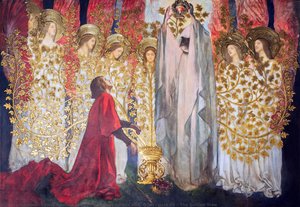
While Abbey initially gained renown as an illustrator, his artistic ambitions extended far beyond the printed page. He transitioned successfully into mural painting, achieving significant acclaim for his large-scale works that demonstrated a remarkable command of composition and color. His most celebrated achievement in this realm is undoubtedly the series of murals adorning the Boston Public Library, collectively titled *The Quest and Achievement of the Holy Grail*. This epic cycle, begun in the 1890s, represents a culmination of his artistic skills—a sweeping narrative rendered with breathtaking detail and evocative symbolism. The project took eleven years to complete, with Abbey meticulously crafting each panel in his English studio before its installation in Boston. His talent didn’t go unnoticed on an international stage; he received a gold medal at the Pan-American Exposition and was honored with a commission to paint the coronation of King Edward VII – a testament to his artistic standing and prestige. In 1898, Abbey reached another milestone when he was elected as a full member of the Royal Academy, solidifying his position within the British art world.Style, Legacy, and Lasting Influence
Edwin Austin Abbey’s style is immediately recognizable for its masterful use of *chiaro-oscuro*, dramatic lighting that emphasizes form and creates a sense of depth. Critics consistently praised his “inexhaustible creativeness,” the “clearness and vividness of conception” in his work, and his “poetic perception of beauty.” He played a crucial role in elevating the status of illustration, bridging the gap between it and fine art during an era when illustrators were often undervalued. His murals remain significant examples of late 19th-century American art, demonstrating his ability to synthesize literary themes with visual grandeur. He was able to capture both the grand sweep of historical events and the intimate emotions of individual characters. Abbey’s influence can be seen in subsequent generations of artists who sought to combine compelling narrative storytelling with artistic excellence. He died unexpectedly on August 1st, 1911, while working on a mural for the Pennsylvania State Capitol building in Harrisburg, leaving behind a legacy that continues to inspire and captivate audiences today. His work stands as a testament to the power of illustration and the enduring appeal of timeless stories.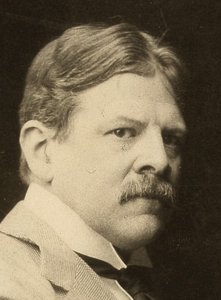
Edwin Austin Abbey
1852 - 1911 , United States of America
Quick Facts
- Artistic Movement Or Style: Golden Age Illustration
- Artists Or Movements Influenced By This Artist: ['Later illustrators']
- Artists Who Influenced This Artist:
- Adolf Menzel
- Daniel Vierge
- Date Of Birth: April 1, 1852
- Date Of Death: August 1, 1911
- Full Name: Edwin Austin Abbey
- Nationality: American
- Notable Artworks:
- The Dance
- Sally in our Alley
- Holy Grail murals
- Place Of Birth: Philadelphia, USA
Related Articles

Giclée Prints: Archival Quality & Aesthetic Nuances for the Discerning Collector
Explore the world of giclée prints with ArtsDot. Learn about archival quality, aesthetic nuances & investment potential. Expert guidance for discerning art collectors seeking museum-quality reproductions and lasting value.

Marianne North's Masterpieces: 25 Botanical Paintings That Bloom With Adventure | ArtsDot
Journey through the vibrant world of Marianne North’s botanical paintings! Explore 25 iconic artworks from this Victorian artist, celebrating exotic flora & travel. Find museum-quality reproductions and curated decor ideas at ArtsDot.com.

Echoes of Time: Exploring the Enduring Appeal & Historical Context of Vintage Art Prints
Explore the captivating world of vintage art prints! Discover their history, collecting tips & enduring appeal. Expert insights on chromolithography and building a legacy collection with ArtsDot.

Crimson Threads of Narrative: Exploring Symbolism & Representation in Artworks Featuring the Red Dress
Explore the rich symbolism of the red dress in art history! From ancient power displays to iconic portraits like Cézanne’s 'Madame Cezanne', discover the cultural and artistic significance behind this captivating color. Expert analysis & insights.

The Enduring Legacy of Fine Art Prints: Technique, History & Aesthetic Impact
Explore the rich history & techniques of fine art prints. Discover investment potential, assess authenticity, and learn how to preserve your collection with expert guidance. Trusted insights for discerning collectors.