 Preview
 Send
Send Share
Share
 Details

 Download
 Similars
 X-Ray
X-Ray Diaporama
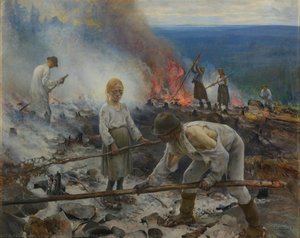
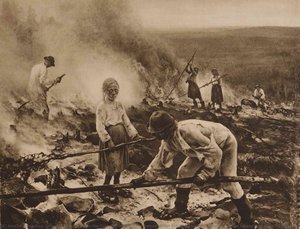
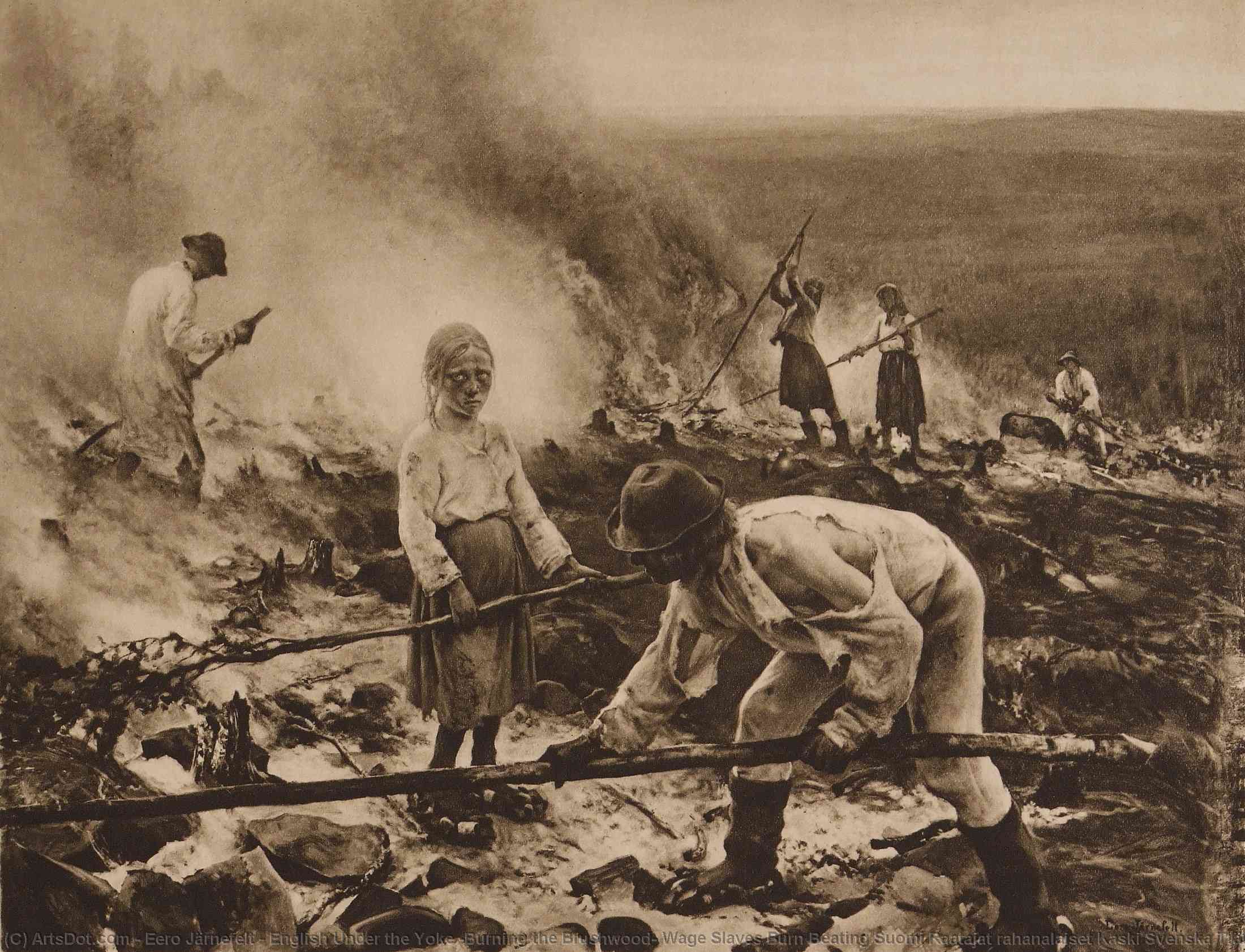
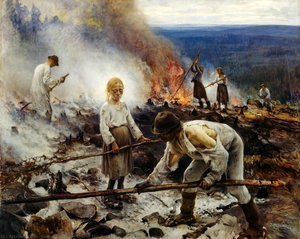
English Under the Yoke (Burning the Brushwood) Wage Slaves Burn Beating Suomi Raatajat rahanalaiset Kaski Svenska Trälar under penningen Sved Penningens slavar Kampen för tillvaron
 Oil
Oil- WallArt
- Naturalism
 1893
1893- 19th Century
 164.0 x 131.0 cm
 Ateneum Art Museum
 Read More
Giclée / Art Print
Museum-quality giclée or canvas print with fast production and flexible finish options. ( Buy Hand Made Painting Buy Image)




P118B $10

P118H $10

P118W $10

P438Z $10

P508JH $12

P508YH $12

P805H $10

P805Z $10

P919BZ $10

P919G $10

P919XJ $10

P959ZH $10

P968JZ $12

W106C $8

W218G $10

W218JH $8

W218Y $10

W307PJ $10

W316G $10

W316PJ $8

W316Y $10

W398PJ $8

W4111J $10

W500HY $15

W500JH $15

W692G $12

W849H $8

W940BG $15

W953PJ $8




Pick from our preset sizes that match the artwork's original proportions.

You may enter your own dimensions to fit a specific frame or space. If your selected size does not match the original image's proportions, we will either crop the artwork or extend the image with a mirrored or solid-fill edge. A digital mockup will be sent for your approval before production begins.
Please note that the on-screen preview does not reflect the actual cropping or extension. Only the mockup will accurately show the final composition.
While custom sizes are available, we recommend selecting a dimension from the predefined list to preserve the original proportions.
Worldwide Delivery () in 2 weeks instead of standard 4/5 weeks. (2 September)

Free Worldwide Express Shipping

High-Quality Linen Canvas

Full Shipping Insurance

Customs Tax Refund Guarantee

True Color Matching Guarantee

60-Day Return Policy (Defects Only)

100% Money-Back Guarantee

Bulk Discount Offer
 Glass option is only available in size under 110 CM

English Under the Yoke (Burning the Brushwood) Wage Slaves Burn Beating Suomi Raatajat rahanalaiset Kaski Svenska Trälar under penningen Sved Penningens slavar Kampen för tillvaron
Giclée / Art Print
Reproduction Size
-


Total Price
$ 63
A Somber Symphony of Toil and Resilience
In the hauntingly evocative masterpiece English Under the Yoke (Burning the Brushwood), the Finnish master Eero Järnefelt invites us into a world defined by the raw, unyielding struggle for survival. Painted in 1893, this profound work serves as a window into the grueling reality of the late nineteenth-century working class. The scene unfolds upon a desolate, dirt-strewn landscape, where a group of figures—at least twelve souls caught in the grip of relentless labor—stand with their backs to the viewer. This deliberate choice of perspective is deeply moving; by obscuring their faces, Järnefelt strips away individual identity, transforming these people into universal symbols of the human condition under the weight of economic hardship. We do not see specific men or women, but rather the collective silhouette of a class bound by the "yoke" of wage slavery.
The composition is masterfully orchestrated to evoke a sense of heavy, atmospheric tension. As the figures engage in the arduous task of burning brushwood, the painting captures a moment of profound physical and existential exhaustion. The background, a dense and shadowy forest, looms over the scene like a silent witness to their plight, while scattered elements—a solitary chair, a pile of hay, and forgotten bottles—suggest the meager remnants of a life lived on the edge of necessity. The monochromatic palette, though presented here in a striking black and white, emphasizes the starkness of the environment, stripping the world of any distracting vibrance to focus purely on the textures of dirt, wood, and shadow.
Technically, Järnefelt demonstrates his command over naturalism and the burgeoning influences of Symbolism. His brushwork captures the gritty reality of the earth beneath the workers' feet and the flickering, uncertain light of their labor. There is a palpable weight to the atmosphere; one can almost feel the heat of the burning brushwood and the biting chill of the surrounding wilderness. This piece is not merely a depiction of manual labor; it is an exploration of the "Kampen för tillvaron"—the struggle for existence. The symbolism of the fire serves as a dual metaphor: it is both a tool for clearing the land and a destructive force that mirrors the burning desperation of those living under the crushing pressure of poverty.
For the discerning collector or interior designer, this reproduction offers more than just a visual centerpiece; it provides an emotional anchor for a space. The artwork’s profound historical gravity and its ability to command attention through quiet, somber intensity make it an ideal choice for galleries, studies, or sophisticated living areas that seek to evoke contemplation and depth. To hang this piece is to invite a conversation about resilience, the dignity of labor, and the enduring strength of the human spirit in the face of overwhelming adversity. It is a timeless testament to the Golden Age of Finnish Art, rendered with a soul-stirring clarity that continues to resonate across generations.
Related Artworks
![Black Circle [1913] State Russian Museum, — Kazimir Malevich, Suprematism](/media/artworks/images-thumb/62/67/6267e452b0c8476772a6511e19ce1616.jpg)
Artist Biography
Edvard Munch: A Vision of Anguish and Beauty
Edvard Munch (December 12, 1863 – January 23, 1944) stands as one of the most profoundly influential figures in modern art. Born in Løten, Norway, his life was marked by a relentless struggle with illness, loss, and an overwhelming sense of existential dread—themes that would become inextricably woven into the fabric of his iconic paintings. More than simply a painter, Munch was a visionary who captured the anxieties and uncertainties of the modern soul, forging a unique artistic language characterized by distorted forms, vibrant colors, and a palpable emotional intensity. His legacy extends far beyond Norway, profoundly impacting movements like Symbolism and Expressionism and continuing to resonate with audiences today.Early Life and Influences: A Shadowed Childhood
Munch’s childhood was anything but idyllic. He experienced the deaths of his mother and two siblings at a young age – events that deeply scarred him and instilled in him a lifelong preoccupation with mortality, illness, and the fragility of human existence. His father, a devout Lutheran, fostered a climate of religious intensity, while his sister, Ulrica, suffered from tuberculosis, further shaping Munch’s artistic vision. These early traumas fueled a deep-seated sense of unease and a fascination with the darker aspects of the human psyche. He received limited formal art training, but developed a strong foundation through self-study and exposure to the bohemian culture of Kristiania (now Oslo). Crucially, he encountered figures like Christian Krohg, who encouraged his artistic explorations and introduced him to the ideas of Symbolism – a movement that prioritized subjective experience and emotional expression over realistic representation. The influence of French Impressionism, particularly the bold use of color and fleeting moments captured on canvas, also played a significant role in shaping Munch’s evolving style.The Development of a Distinctive Style: From Symbolism to Expressionism
Munch's artistic journey was one of constant experimentation and evolution. Initially drawn to the evocative imagery of Symbolism, he gradually moved towards a more emotionally charged and intensely personal style—a precursor to Expressionism. His early works, such as *The Sick Child* (1885-86) and *Madonna*, explored themes of illness, grief, and maternal love with a haunting beauty. However, it was the experience that would forever define his artistic output: a walk along the Ekeberg Hill overlooking Oslo in 1893, during which he claimed to have “heard the great scream in nature.” This moment became the genesis of *The Scream* (1893), arguably his most famous work. This painting—and subsequent variations—is not simply a depiction of a person screaming; it’s an embodiment of raw, primal anxiety and existential anguish. Munch's use of swirling lines, distorted figures, and jarring colors created a visual representation of inner turmoil, capturing the feeling of being overwhelmed by the chaos of modern life. His later works, including *The Dance of Life* (1897-99) and *Völva* (1893), continued to explore themes of love, death, and spirituality with a similarly unsettling intensity.Key Works and Recurring Themes
Munch’s oeuvre is remarkably diverse, encompassing paintings, prints, drawings, and sculptures. However, certain recurring themes consistently emerge in his work: the experience of illness and mortality, the overwhelming power of nature, the complexities of human relationships, and the pervasive sense of anxiety and alienation. *The Scream* remains a cornerstone of his artistic legacy, but other significant works include *Madonna*, *Despair*, *Death*, *Völva*, *Red Dance*, and numerous self-portraits that offer poignant glimpses into his troubled psyche. His series of lithographs depicting the “Frieze of Life” – encompassing themes of love, anxiety, jealousy, and death – are particularly notable for their expressive power and psychological depth. The use of color is consistently deliberate and symbolic; vibrant reds and yellows often represent passion and vitality, while somber blues and greens evoke feelings of sadness and despair.Legacy and Historical Significance
Edvard Munch’s work profoundly impacted the course of 20th-century art. His unflinching exploration of psychological themes paved the way for Expressionism, a movement that sought to convey subjective emotions through distorted forms and intense colors. His influence can be seen in the works of artists such as Ernst Ludwig Kirchner, Emil Nolde, and Max Beckmann. *The Scream*, in particular, has become an enduring symbol of modern anxiety and alienation, reproduced countless times and referenced in popular culture. Despite facing periods of mental instability and struggling with recognition during his lifetime, Munch’s artistic vision continues to resonate deeply with audiences worldwide. His ability to translate the complexities of human emotion onto canvas cemented his place as a pivotal figure in the history of art—a master of capturing the darkest corners of the human experience and transforming them into enduring works of beauty and profound significance.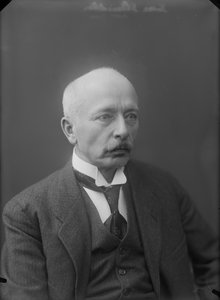
eero järnefelt
1863 - 1937
Quick Facts
- Artistic Movement Or Style: Expressionism, Symbolism
- Artists Or Movements Influenced By This Artist: ['German Expressionism']
- Artists Who Influenced This Artist:
- Vincent van Gogh
- Paul Gauguin
- Date Of Birth: December 12, 1863
- Date Of Death: January 23, 1944
- Full Name: Edvard Munch
- Nationality: Norwegian
- Notable Artworks:
- The Scream
- Madonna
- Vierge
- Despair
- Place Of Birth: Løten, Norway
Related Articles

White on Canvas: 10 Masterpieces & Timeless Elegance for Your Home Decor
Explore 10 iconic white paintings by Monet, Whistler & Rothko! Discover the stories behind these serene masterpieces and their impact on art history. Find museum-quality reproductions for your home decor at .

Dark Masterpieces: 10 Iconic Paintings Dominated by Black Tones |
Explore 10 iconic paintings dominated by black tones, from Rembrandt’s chiaroscuro to Goya's dark expressions. Discover the stories behind these masterpieces & find museum-quality art reproductions for your home at .

Monochrome Visions: Exploring the Aesthetic & Historical Significance of Black & White Photography
Explore the rich history & artistic power of black and white photography. From early techniques to iconic masters like Ansel Adams, discover why monochrome continues to captivate art lovers today. Expert insights for collectors.
Mars Black Masterpieces: 10 Iconic Paintings & Timeless Art Decor Ideas
Delve into the power of 'Mars Black' with 10 iconic paintings by masters like Rembrandt & Caravaggio. Explore dramatic chiaroscuro, gothic art, and timeless beauty. Find museum-quality reproductions & elevate your home decor on .

The Subtleties of White: Exploring Absence, Light & Symbolism in Art History
Explore the profound symbolism & history of white in art! From ancient purity to modern abstraction, discover how artists have used absence & light. Expert insights from ArtsDot.