 Preview
 Send
Send Share
Share
 Details

 Download
 Similars
 X-Ray
X-Ray Diaporama
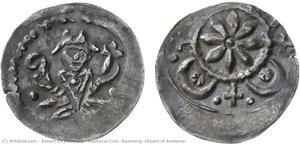
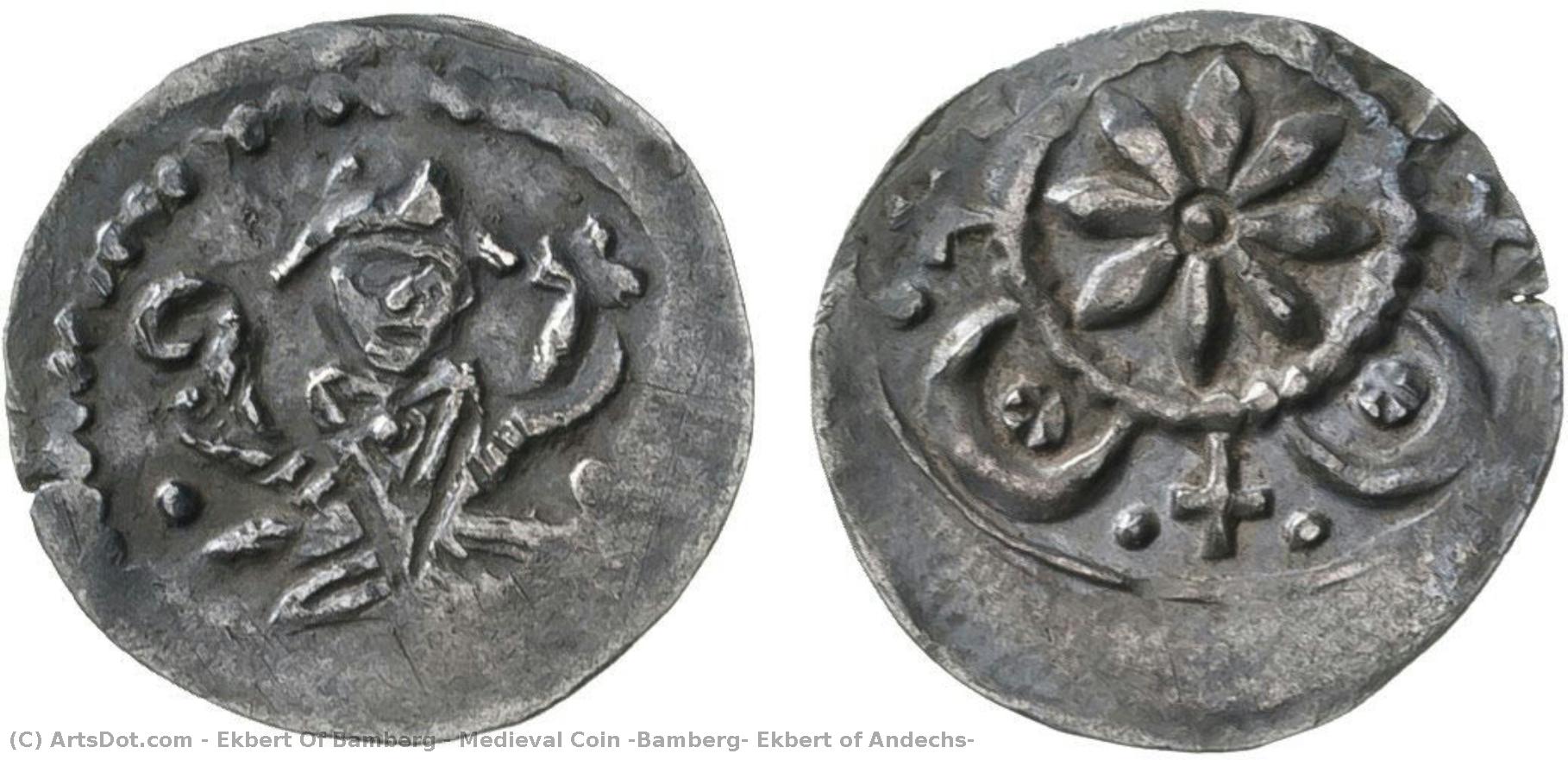
Medieval Coin (Bamberg: Ekbert of Andechs)

 Read More
Hand Made Oil Reproduction
Hand-painted oil on canvas in your size and frame, made to order by our artists. ( Buy Print Buy Image)




































Pick from our preset sizes that match the artwork's original proportions.

You may enter your own dimensions to fit a specific frame or space. If your selected size does not match the original image's proportions, we will either crop the artwork or extend the painting with additional hand-painted elements. A digital mockup will be sent for your approval before production begins.
Please note that the on-screen preview does not reflect the actual cropping or extension. Only the mockup will accurately show the final composition.
While custom sizes are available, we recommend selecting a dimension from the predefined list to preserve the original proportions.
After order, ArtsDot.com team will email client for instructions and provide a mockup preview
Worldwide Delivery () in 3/4 weeks instead of standard 5 weeks. (26 August). No compromise on quality.

Free Worldwide Express Shipping

High-Quality Linen Canvas

Full Shipping Insurance

Customs Tax Refund Guarantee

True Color Matching Guarantee

60-Day Return Policy (Defects Only)

100% Money-Back Guarantee

Bulk Discount Offer
 Glass option is only available in size under 110 CM

Medieval Coin (Bamberg: Ekbert of Andechs)
Reproduction Medium
Reproduction Size
-


Total Price
$ 263
Related Artworks





Artist Biography
A Prince of the Church: The Life and Times of Ekbert of Bamberg
Ekbert of Andechs-Meranien, a name perhaps less familiar than those of his contemporaries like Frederick II, nevertheless occupies a significant place in the tapestry of 13th-century European history. Born into a powerful noble family – the Andechses, later Meraniens – Ekbert’s life was one interwoven with dynastic ambition, imperial politics, and profound religious devotion. He wasn't merely a bishop; he was a scion of power who shaped the spiritual and physical landscape of Bamberg during a period of immense change. His story unfolds against a backdrop of burgeoning Gothic architecture, complex familial relationships, and the often-turbulent reign of the Holy Roman Emperor Frederick II. Born in Bamberg around 1180 to Berthold IV, Duke of Merania, and Agnes of Rochlitz, Ekbert inherited a legacy of both military prowess and political acumen. His lineage connected him to some of the most influential figures of the era, including his sister Hedwig of Silesia, later canonized as a saint, and Gertrude of Merania, Queen of Hungary. This network would prove crucial throughout his life, offering both support and entanglement in matters of state.From Noble Lineage to Episcopal Authority
Ekbert’s path to the episcopate was not unusual for members of noble families during this period – the Church offered a prestigious career trajectory and a means of consolidating power. In 1203, he ascended to become Bishop of Bamberg, a position that immediately thrust him into the heart of ecclesiastical governance and imperial affairs. The diocese of Bamberg, strategically located in Bavaria, was a vital territory within the Holy Roman Empire, and its bishop wielded considerable temporal authority alongside his spiritual duties. Ekbert quickly demonstrated an aptitude for both roles, skillfully navigating the intricate web of alliances and rivalries that characterized medieval German politics. He became a staunch supporter of Emperor Frederick II, aligning himself with the imperial agenda and actively participating in the emperor’s campaigns to restore order and consolidate control over the fragmented empire. This loyalty would define much of his career, leading him into both triumphs and controversies.The Builder Bishop: A Legacy in Stone
Perhaps Ekbert's most enduring legacy lies in his ambitious building program within Bamberg Cathedral. The Romanesque cathedral that stood before him was deemed inadequate for the growing prestige of the diocese and the aspirations of its bishop. Ekbert envisioned a magnificent Gothic structure, one that would rival the great cathedrals of France and serve as a testament to both God’s glory and the power of Bamberg. Construction began in 1230, transforming the cathedral into a breathtaking example of early Gothic architecture. The soaring vaults, intricate sculptures, and expansive stained-glass windows reflect not only the artistic innovations of the period but also Ekbert's personal vision for a space that inspired awe and reverence. The cathedral became a symbol of Bamberg’s rising prominence, attracting pilgrims and solidifying its position as a major religious center. Beyond the cathedral itself, Ekbert oversaw numerous other building projects throughout the diocese, including churches, monasteries, and fortifications, leaving an indelible mark on the architectural landscape of Bavaria.Imperial Entanglements and a Shadowy Demise
Ekbert’s unwavering loyalty to Frederick II also led him into complex political entanglements. In 1236, he participated in the imperial invasion of Austria, a campaign aimed at suppressing rebellious forces within the duchy. Following the conquest, Ekbert was appointed governor of Austria and Styria, tasked with maintaining order and enforcing imperial authority. However, this period was fraught with challenges, and his involvement became clouded by suspicion and controversy. The murder of King Philip of Swabia in Bamberg in 1208 cast a long shadow over the Andechs family. Though never definitively proven, rumors circulated that Ekbert and his brother Margrave Henry II had prior knowledge of the plot orchestrated by the Wittelsbach family. These accusations led to a temporary exile, with Ekbert seeking refuge in Hungary with his sister Gertrude. While he was eventually exonerated, the incident tarnished his reputation and highlighted the precarious nature of power within the Holy Roman Empire. He died unexpectedly in 1237, leaving behind a legacy that remains both impressive and enigmatic. His sudden death fueled speculation about foul play, adding another layer of mystery to an already complex life.Historical Significance: A Nobleman Bridging Worlds
Ekbert of Bamberg’s significance extends beyond his architectural achievements and political affiliations. He represents a fascinating example of the noble bishop – a figure who seamlessly blended secular power with religious authority. His support for Frederick II played a crucial role in shaping the political landscape of 13th-century Germany, while his building program transformed Bamberg into a major cultural and religious center.- He embodied the complexities of medieval governance, navigating the delicate balance between imperial loyalty, familial obligations, and ecclesiastical duties.
- His patronage of Gothic architecture contributed to the spread of this innovative style throughout Bavaria, leaving behind a lasting artistic legacy.
- The controversies surrounding his involvement in the murder of King Philip offer a glimpse into the ruthless political machinations of the era.
- Ultimately, Ekbert’s life serves as a reminder that even those who dedicate themselves to religious pursuits are often deeply entangled in the affairs of the world.
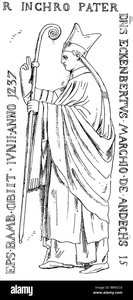
ekbert of bamberg
1237 , Germany
Quick Facts
- Artistic Movement Or Style: Gothic architecture
- Date Of Death: 1237
- Full Name: Ekbert of Bamberg
- Nationality: German
- Notable Artworks: ['Bamberg Cathedral']
- Place Of Birth: Bamberg, Germany