 Preview
 Send
Send Share
Share
 Details

 Download
 Similars
 X-Ray
X-Ray Diaporama
St. Mary Magdalene
 Oil On Canvas
- WallArt
- Spanish Mannerism
 1580
1580- Early Modern
 108.0 x 87.0 cm
 Read More
Hand Made Oil Reproduction
Hand-painted oil on canvas in your size and frame, made to order by our artists. ( Buy Print Buy Image)




P118B $10

P118H $10

P118W $10

P438Z $10

P508JH $12

P508YH $12

P805H $10

P805Z $10

P919BZ $10

P919G $10

P919XJ $10

P959ZH $10

P968JZ $12

W106C $8

W218G $10

W218JH $8

W218Y $10

W307PJ $10

W316G $10

W316PJ $8

W316Y $10

W398PJ $8

W4111J $10

W500HY $15

W500JH $15

W692G $12

W849H $8

W940BG $15

W953PJ $8




Pick from our preset sizes that match the artwork's original proportions.

You may enter your own dimensions to fit a specific frame or space. If your selected size does not match the original image's proportions, we will either crop the artwork or extend the painting with additional hand-painted elements. A digital mockup will be sent for your approval before production begins.
Please note that the on-screen preview does not reflect the actual cropping or extension. Only the mockup will accurately show the final composition.
While custom sizes are available, we recommend selecting a dimension from the predefined list to preserve the original proportions.
After order, ArtsDot.com team will email client for instructions and provide a mockup preview
Worldwide Delivery () in 3/4 weeks instead of standard 5 weeks. (16 August). No compromise on quality.

Free Worldwide Express Shipping

High-Quality Linen Canvas

Full Shipping Insurance

Customs Tax Refund Guarantee

True Color Matching Guarantee

60-Day Return Policy (Defects Only)

100% Money-Back Guarantee

Bulk Discount Offer
 Glass option is only available in size under 110 CM

St. Mary Magdalene
Reproduction Medium
Reproduction Size
-


Total Price
$ 263
Artwork Description
A Vision of Divine Longing
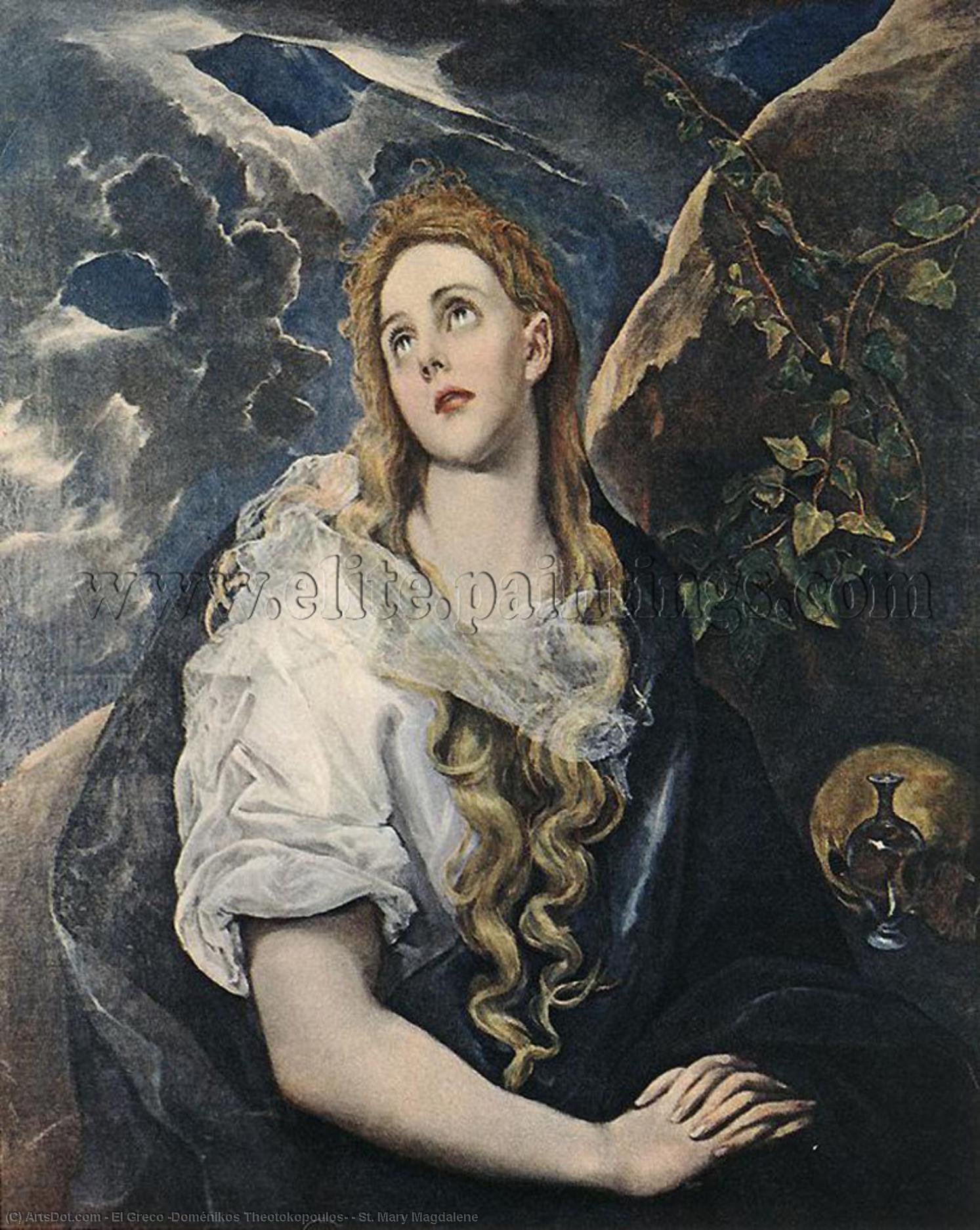
In the presence of El Greco’s St. Mary Magdalene, one does not merely observe a portrait; one enters a state of profound contemplation. The subject, draped in a luminous white dress, directs her gaze upward, away from the earthly realm and toward an unseen celestial light. This upward yearning is the very heartbeat of the composition, capturing a moment of intense spiritual ecstasy that defines the Spanish Baroque period. Her expression, caught between deep introspection and divine recognition, invites the viewer to share in her silent dialogue with the heavens. The painting transcends the boundaries of traditional portraiture, offering instead a window into the soul's most intimate moments of devotion.The Alchemy of Light and Form
El Greco’s mastery lies in his ability to synthesize disparate artistic traditions into a singular, breathtaking language. Drawing from his Byzantine roots, he maintains a reverence for sacred symbolism and meticulous detail, yet it is his exposure to the Venetian school that breathes life into the shadows. Through the masterful use of sfumato, the artist softens edges and blends tones, creating an atmosphere of otherworldly beauty where light seems to emanate from within the figures themselves. The technique of layering translucent glazes allows for a remarkable depth, particularly evident in the way the light dances across the fabric of the Magdalene's attire. His palette, though restrained with muted ochres and deep crimsons, achieves a dramatic tension through the interplay of light and shadow, a hallmark of his unique Mannerist style that utilizes elongated forms to heighten emotional impact.Symbols of Mortality and Devotion
Beyond the central figure, the composition is rich with symbolic elements that ground the spiritual experience in the reality of human existence. Scattered within the frame are carefully placed objects that serve as a memento mori, reminding the observer of the fleeting nature of life:- The Skull: A poignant symbol of mortality, positioned to contrast the eternal hope of the Magdalene's gaze with the inevitability of death.
- The Clock: Representing the relentless passage of time, adding a layer of temporal urgency to the scene.
- The Bottle: An element that hints at the earthly textures and the sensory world from which the saint is seeking transcendence.
For the discerning collector or interior designer, this masterpiece offers more than mere decoration; it provides a profound focal point for any sophisticated space. Whether placed in a quiet study or a grand gallery, the painting’s dramatic lighting and emotional depth command attention, making it an exquisite choice for those looking to infuse their surroundings with history, intellect, and a sense of timeless grace.
Related Artworks
Artist Biography
A Life Forged in Faith and Fire
Doménikos Theotokópoulos, known to the world as El Greco – “the Greek” – was a painter whose life and work defied easy categorization. Born in 1541 on the island of Crete, then under Venetian rule, his artistic journey led him through Venice and Rome before finding its ultimate expression in the spiritual heartland of Spain: Toledo. El Greco wasn’t merely a product of these places; he synthesized their influences into something wholly unique, a style that anticipated the emotional intensity of Expressionism and the fragmented forms of Cubism centuries later. His early training within the Byzantine tradition instilled in him a meticulous attention to detail and a profound understanding of religious iconography. This foundation, however, wouldn’t confine him. He signed his works in Greek, often appending “Krḗs” – Cretan – as a proud declaration of his origins, even as he ventured into new artistic territories. The seeds of his distinctive style were sown not just in technique but also in the fervent religious climate of his homeland and the rich tapestry of Venetian art.From Venice to Toledo: A Transformation
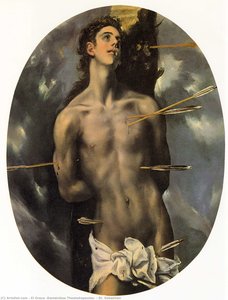
The move to Venice around 1567 marked a pivotal moment. Immersed in the vibrant artistic scene, El Greco studied the masters – Titian, Tintoretto, Veronese – absorbing their mastery of color, composition, and dramatic lighting. He learned to loosen his brushwork, to embrace the sensuality of oil paint, and to depict figures with a newfound dynamism. This Venetian influence is visible in early works like *St. Sebastian* (1600), where anatomical detail blends seamlessly with an almost theatrical use of light and shadow. A subsequent sojourn in Rome exposed him to Mannerism, a style characterized by elongated forms, distorted perspectives, and sophisticated compositions. While he demonstrated considerable talent, El Greco found it difficult to gain widespread recognition in the competitive Roman art world. It was his relocation to Toledo in 1577 that finally allowed his singular vision to flourish. The city, then a center of religious fervor during the Counter-Reformation, provided both patronage and an atmosphere conducive to his intensely spiritual paintings.A Style Unlike Any Other
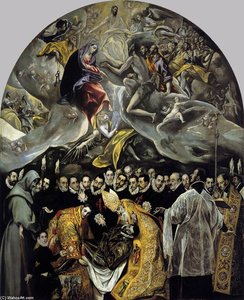
El Greco’s artistic style is instantly recognizable – and utterly captivating. His figures are often dramatically elongated, their bodies stretched and contorted in poses that convey a sense of spiritual ecstasy or profound anguish. This isn't mere stylistic affectation; it’s an attempt to depict the unseen, the emotional and spiritual realities that lie beyond the surface of things. He masterfully employed color – not necessarily realistic color, but vibrant, often unnatural hues – to heighten the emotional impact of his work. Dramatic lighting, with stark contrasts between light and shadow, creates a theatrical effect, drawing the viewer into the heart of the scene. The Burial of the Count of Orgaz (1586-1588), considered his masterpiece, exemplifies these qualities perfectly. The painting depicts a miraculous event – the descent of saints to bury a pious nobleman – with remarkable realism in the portrayal of contemporary figures juxtaposed against ethereal, elongated forms representing divine intervention. He blended Byzantine traditions with Italian Renaissance techniques, forging a style that was both innovative and deeply personal. His later works became increasingly mystical, reflecting his own profound religious beliefs and a growing detachment from conventional artistic norms.Legacy and Rediscovery
Despite achieving considerable success during his lifetime – receiving important commissions from churches and monasteries in Toledo – El Greco’s work fell into relative obscurity after his death in 1614. For centuries, he was largely overlooked by art historians, dismissed as an eccentric or a provincial artist. It wasn't until the 20th century that his genius began to be fully appreciated. Artists like Picasso and Braque recognized him as a precursor to modern art, particularly Cubism, admiring his distorted forms and unconventional perspectives. His expressive style resonated with the Expressionists, who sought to convey emotional intensity through bold colors and dramatic compositions. Today, El Greco is celebrated as one of the most important figures in Western art history – a visionary painter whose work continues to captivate audiences with its spiritual depth, emotional power, and unique artistic vision. His paintings are not merely representations of religious scenes; they are windows into the soul, testaments to the enduring power of faith, and celebrations of the human spirit’s capacity for transcendence.Notable Works
- The Burial of the Count of Orgaz (1586-1588): His undisputed masterpiece, a monumental work blending realism and spiritual intensity.
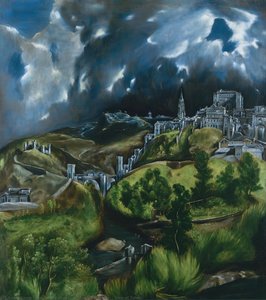
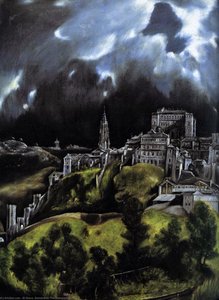
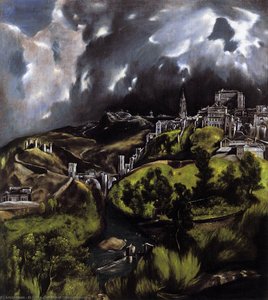
- View of Toledo (1596-1600): A dramatic landscape showcasing the city in a swirling, atmospheric style, capturing its essence with an almost visionary quality.
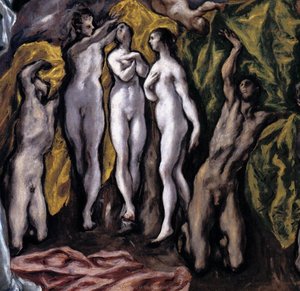
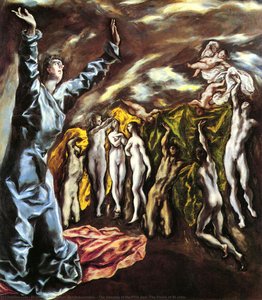
- The Opening of the Fifth Seal (1608-1614): Part of a series inspired by the Book of Revelation, this painting exemplifies El Greco’s apocalyptic vision and his mastery of dramatic composition.
- St. Sebastian (1600): A powerful depiction of the saint, blending anatomical detail with theatrical lighting and emotional intensity.
- El Espolio (The Disrobing of Christ) (1577-1579): An early work showcasing his Venetian influences and dramatic use of color and light.
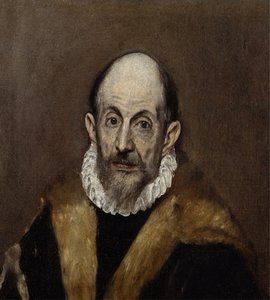
El Greco
1541 - 1614 , Greece
Quick Facts
- Artistic Movement Or Style: Mannerism, Baroque
- Artists Or Movements Influenced By This Artist:
- Expressionism
- Cubism
- Artists Who Influenced This Artist:
- Titian
- Tintoretto
- Date Of Birth: 1541
- Date Of Death: 1614
- Full Name: Doménikos Theotokópoulos
- Nationality: Greek-Spanish
- Notable Artworks:
- Burial of the Count of Orgaz
- View of Toledo
- El Espolio
- St. Sebastian
- Place Of Birth: Crete, Greece
Related Articles
El Greco's Masterpieces: Explore 25 Iconic Paintings & Spiritual Visions | ArtsDot
Journey through El Greco's 25 most iconic paintings! Explore the spiritual depth & dramatic beauty of this Spanish Renaissance master. Discover art history, techniques & find museum-quality reproductions for your home at ArtsDot.com.
El Greco: Spirituality, Style & Innovation – A Renaissance Master's Legacy
Explore the captivating world of El Greco! Discover his unique style, spiritual intensity, and lasting impact on art history. Learn about this Renaissance master's life, iconic paintings & legacy.

Jacopo Tintoretto's Masterpieces: 25 Paintings That Define Venetian Drama | ArtsDot
Explore 25 breathtaking masterpieces by Jacopo Tintoretto, the Venetian master of drama and light. Discover the stories behind iconic Renaissance paintings & find museum-quality art reproductions to elevate your home decor on ArtsDot.com.
Illuminating Eternity: A Comprehensive Exploration of Byzantine Art's Legacy
Explore the rich history & stunning artistry of the Byzantine Empire! Discover iconic mosaics, profound symbolism, and lasting influence on Western art. A comprehensive guide for history lovers.
The Golden Light of Innovation: Exploring the Venetian Renaissance Art Movement (1430–1580)
Explore the Golden Age of Venetian art (1430–1580). Discover Giorgione, Titian & Tintoretto's techniques, the 'colorito' revolution, and lasting influence. Expert insights for collectors & enthusiasts.