 Preview
 Send
Send Share
Share
 Details

 Download
 Similars
 X-Ray
X-Ray Diaporama
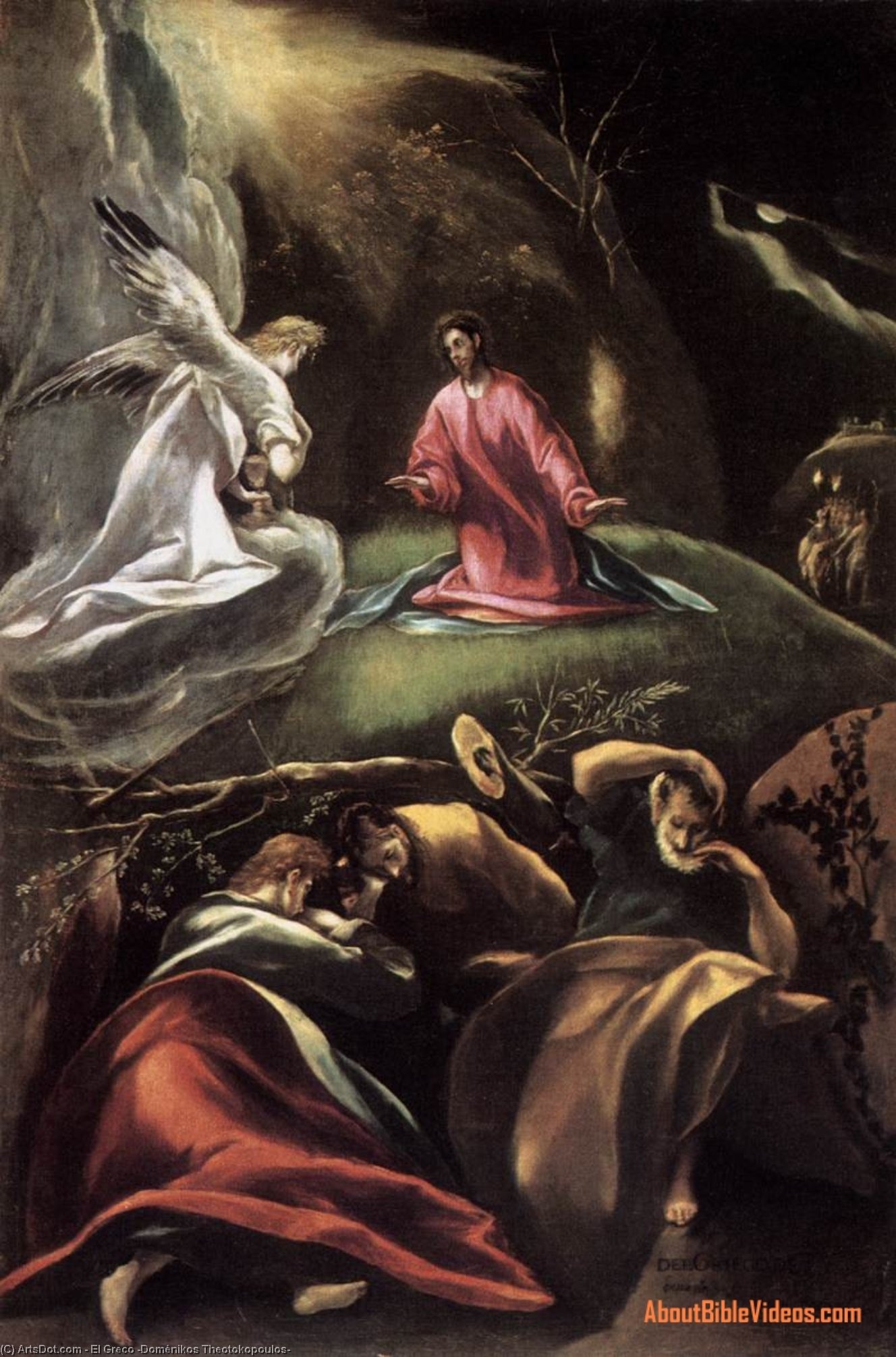
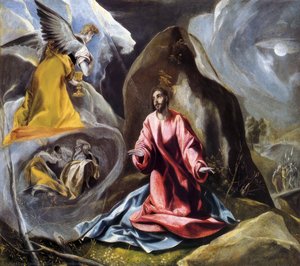
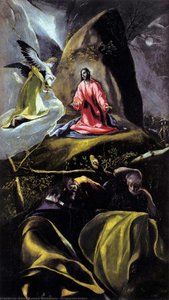
The Agony in the Garden
 Oil On Canvas
- WallArt
- Baroque
 1600
1600- Renaissance
 169.0 x 112.0 cm
 Church of Santa Maria
 Read More
Giclée / Art Print
Museum-quality giclée or canvas print with fast production and flexible finish options. ( Buy Hand Made Painting Buy Image)




P118B $10

P118H $10

P118W $10

P438Z $10

P508JH $12

P508YH $12

P805H $10

P805Z $10

P919BZ $10

P919G $10

P919XJ $10

P959ZH $10

P968JZ $12

W106C $8

W218G $10

W218JH $8

W218Y $10

W307PJ $10

W316G $10

W316PJ $8

W316Y $10

W398PJ $8

W4111J $10

W500HY $15

W500JH $15

W692G $12

W849H $8

W940BG $15

W953PJ $8




Pick from our preset sizes that match the artwork's original proportions.

You may enter your own dimensions to fit a specific frame or space. If your selected size does not match the original image's proportions, we will either crop the artwork or extend the image with a mirrored or solid-fill edge. A digital mockup will be sent for your approval before production begins.
Please note that the on-screen preview does not reflect the actual cropping or extension. Only the mockup will accurately show the final composition.
While custom sizes are available, we recommend selecting a dimension from the predefined list to preserve the original proportions.
Worldwide Delivery () in 2 weeks instead of standard 4/5 weeks. (16 August)

Free Worldwide Express Shipping

High-Quality Linen Canvas

Full Shipping Insurance

Customs Tax Refund Guarantee

True Color Matching Guarantee

60-Day Return Policy (Defects Only)

100% Money-Back Guarantee

Bulk Discount Offer
 Glass option is only available in size under 110 CM

The Agony in the Garden
Giclée / Art Print
Reproduction Size
-


Total Price
$ 63
Collectible Description
The Agony in the Garden: A Descent into Spiritual Darkness
Doménikos Theotokópoulos, universally known as El Greco, possessed an extraordinary ability to distill profound emotion onto canvas—a gift most vividly realized in his seminal work, “Agony in the Garden.” Completed around 1600 and currently residing within the Church of Santa Maria in Andújar, Spain, this oil on canvas transcends mere religious depiction; it’s a visceral exploration of human suffering, faith tested, and the precipice of betrayal. Measuring 169 x 112 cm, the painting immediately commands attention with its dramatic use of color, elongated figures, and an atmosphere thick with foreboding—elements that speak directly to El Greco's unique artistic vision, a synthesis of Byzantine spirituality, Renaissance anatomical study, and his own intensely personal style.
At the heart of the composition lies Jesus Christ, seated on the ground amidst the troubled figures surrounding him. The scene unfolds within the Garden of Gethsemane, a space imbued with both sacred significance and palpable dread. El Greco masterfully employs a pyramidal structure to draw the viewer’s eye towards the central figure, emphasizing his vulnerability and isolation. Note the subtle shifts in color—the deep blues and purples dominating the background, contrasted by the warmer tones of the figures – creating a sense of depth and drawing the viewer into this pivotal moment. The use of chiaroscuro, the dramatic interplay of light and shadow, further intensifies the emotional impact, highlighting Jesus’ face etched with anguish while casting the surrounding figures in a muted, almost mournful glow.
A Fusion of Influences: Byzantine Roots and Spanish Flair
El Greco's artistic journey was one of constant evolution, shaped by his diverse experiences. Born on the island of Crete—a crossroads of cultures between Greece and Venice—he initially trained as an icon painter within the strict traditions of the Byzantine school. This early training instilled in him a deep understanding of symbolism, meticulous detail, and a reverence for religious imagery. However, his relocation to Italy, particularly Rome, marked a significant turning point. Here, he encountered the burgeoning Renaissance artistic currents, absorbing influences from masters like Titian and Tintoretto—notably their dynamic compositions and expressive use of color.
“Agony in the Garden” brilliantly embodies this fusion of influences. The elongated figures, a hallmark of El Greco’s style, are reminiscent of Byzantine iconographic conventions, yet they possess a dynamism and emotional intensity that reflects his Italian training. The painting's palette—rich with deep blues, purples, and reds—is both evocative and dramatic, drawing upon the vibrant colors favored by Venetian painters while retaining a spiritual solemnity rooted in Byzantine tradition. The incorporation of animals – a bird perched above Jesus and a horse on the right – adds layers of symbolic meaning, hinting at prophecy, judgment, and the impending doom awaiting Christ.
Symbolism and Spiritual Weight
Beyond its aesthetic qualities, “Agony in the Garden” is laden with profound symbolism. The scene depicts not just a historical event but a deeply personal struggle—Jesus’ agonizing contemplation of his impending betrayal and death. The kneeling figures represent the apostles, grappling with their own doubts and fears as they witness their Lord's suffering. The presence of angels, depicted in a somewhat ethereal manner, underscores the divine intervention and the gravity of the moment.
Notably, the painting’s emotional intensity resonates powerfully even today. It captures the essence of human vulnerability, the weight of responsibility, and the conflict between faith and despair. The composition invites viewers to contemplate their own struggles with doubt, fear, and the challenges of living a moral life. The very act of witnessing this moment of profound anguish serves as a reminder of the sacrifices made for humanity’s salvation—a testament to El Greco's ability to translate complex theological concepts into a deeply moving visual experience.
A Legacy Enduring: Reproduction Possibilities
ArtsDot.com offers meticulously crafted, hand-painted reproductions of “Agony in the Garden,” allowing art enthusiasts and collectors alike to bring this iconic masterpiece into their homes or offices. Our skilled artists replicate El Greco’s distinctive style with exceptional accuracy, capturing the painting's dramatic lighting, vibrant colors, and emotional depth. Whether you seek a faithful representation for your personal collection or a striking piece of décor for your interior space, our reproductions provide an authentic and beautiful way to experience the enduring power of this extraordinary work of art. For detailed information and to explore options, please visit /art/list/?Filter=8Y3C5R-El-Greco-(Domenikos-Theotokopoulos)-The-Agony-in-the-Garden.
Further resources for exploring this masterpiece include: https://en.wikipedia.org/wiki/Agony_in_the_Garden_(El_Greco,_Andújar) and /art/list/?Filter=agony+in+the+garden,agony,garden&.
Related Artworks
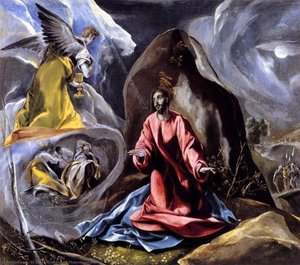
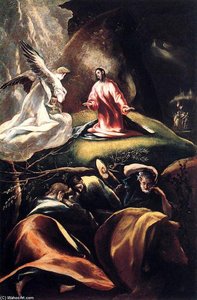
Artist Biography
A Life Forged in Faith and Fire
Doménikos Theotokópoulos, known to the world as El Greco – “the Greek” – was a painter whose life and work defied easy categorization. Born in 1541 on the island of Crete, then under Venetian rule, his artistic journey led him through Venice and Rome before finding its ultimate expression in the spiritual heartland of Spain: Toledo. El Greco wasn’t merely a product of these places; he synthesized their influences into something wholly unique, a style that anticipated the emotional intensity of Expressionism and the fragmented forms of Cubism centuries later. His early training within the Byzantine tradition instilled in him a meticulous attention to detail and a profound understanding of religious iconography. This foundation, however, wouldn’t confine him. He signed his works in Greek, often appending “Krḗs” – Cretan – as a proud declaration of his origins, even as he ventured into new artistic territories. The seeds of his distinctive style were sown not just in technique but also in the fervent religious climate of his homeland and the rich tapestry of Venetian art.From Venice to Toledo: A Transformation
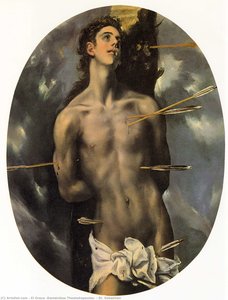
The move to Venice around 1567 marked a pivotal moment. Immersed in the vibrant artistic scene, El Greco studied the masters – Titian, Tintoretto, Veronese – absorbing their mastery of color, composition, and dramatic lighting. He learned to loosen his brushwork, to embrace the sensuality of oil paint, and to depict figures with a newfound dynamism. This Venetian influence is visible in early works like *St. Sebastian* (1600), where anatomical detail blends seamlessly with an almost theatrical use of light and shadow. A subsequent sojourn in Rome exposed him to Mannerism, a style characterized by elongated forms, distorted perspectives, and sophisticated compositions. While he demonstrated considerable talent, El Greco found it difficult to gain widespread recognition in the competitive Roman art world. It was his relocation to Toledo in 1577 that finally allowed his singular vision to flourish. The city, then a center of religious fervor during the Counter-Reformation, provided both patronage and an atmosphere conducive to his intensely spiritual paintings.A Style Unlike Any Other
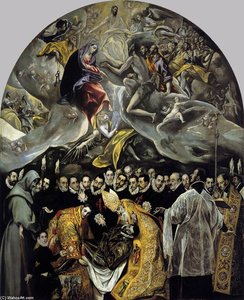
El Greco’s artistic style is instantly recognizable – and utterly captivating. His figures are often dramatically elongated, their bodies stretched and contorted in poses that convey a sense of spiritual ecstasy or profound anguish. This isn't mere stylistic affectation; it’s an attempt to depict the unseen, the emotional and spiritual realities that lie beyond the surface of things. He masterfully employed color – not necessarily realistic color, but vibrant, often unnatural hues – to heighten the emotional impact of his work. Dramatic lighting, with stark contrasts between light and shadow, creates a theatrical effect, drawing the viewer into the heart of the scene. The Burial of the Count of Orgaz (1586-1588), considered his masterpiece, exemplifies these qualities perfectly. The painting depicts a miraculous event – the descent of saints to bury a pious nobleman – with remarkable realism in the portrayal of contemporary figures juxtaposed against ethereal, elongated forms representing divine intervention. He blended Byzantine traditions with Italian Renaissance techniques, forging a style that was both innovative and deeply personal. His later works became increasingly mystical, reflecting his own profound religious beliefs and a growing detachment from conventional artistic norms.Legacy and Rediscovery
Despite achieving considerable success during his lifetime – receiving important commissions from churches and monasteries in Toledo – El Greco’s work fell into relative obscurity after his death in 1614. For centuries, he was largely overlooked by art historians, dismissed as an eccentric or a provincial artist. It wasn't until the 20th century that his genius began to be fully appreciated. Artists like Picasso and Braque recognized him as a precursor to modern art, particularly Cubism, admiring his distorted forms and unconventional perspectives. His expressive style resonated with the Expressionists, who sought to convey emotional intensity through bold colors and dramatic compositions. Today, El Greco is celebrated as one of the most important figures in Western art history – a visionary painter whose work continues to captivate audiences with its spiritual depth, emotional power, and unique artistic vision. His paintings are not merely representations of religious scenes; they are windows into the soul, testaments to the enduring power of faith, and celebrations of the human spirit’s capacity for transcendence.Notable Works
- The Burial of the Count of Orgaz (1586-1588): His undisputed masterpiece, a monumental work blending realism and spiritual intensity.
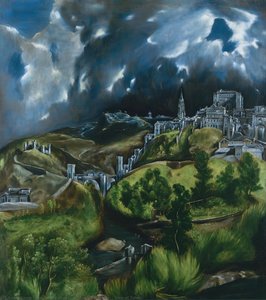
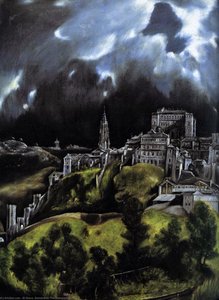
- View of Toledo (1596-1600): A dramatic landscape showcasing the city in a swirling, atmospheric style, capturing its essence with an almost visionary quality.
- The Opening of the Fifth Seal (1608-1614): Part of a series inspired by the Book of Revelation, this painting exemplifies El Greco’s apocalyptic vision and his mastery of dramatic composition.
- St. Sebastian (1600): A powerful depiction of the saint, blending anatomical detail with theatrical lighting and emotional intensity.
- El Espolio (The Disrobing of Christ) (1577-1579): An early work showcasing his Venetian influences and dramatic use of color and light.
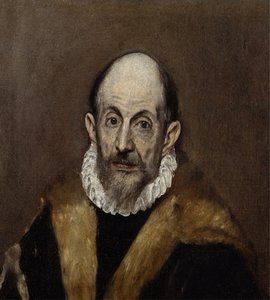
El Greco
1541 - 1614 , Greece
Quick Facts
- Artistic Movement Or Style: Mannerism, Baroque
- Artists Or Movements Influenced By This Artist:
- Expressionism
- Cubism
- Artists Who Influenced This Artist:
- Titian
- Tintoretto
- Date Of Birth: 1541
- Date Of Death: 1614
- Full Name: Doménikos Theotokópoulos
- Nationality: Greek-Spanish
- Notable Artworks:
- Burial of the Count of Orgaz
- View of Toledo
- El Espolio
- St. Sebastian
- Place Of Birth: Crete, Greece
Related Articles

El Greco's Masterpieces: Explore 25 Iconic Paintings & Spiritual Visions | ArtsDot
Journey through El Greco's 25 most iconic paintings! Explore the spiritual depth & dramatic beauty of this Spanish Renaissance master. Discover art history, techniques & find museum-quality reproductions for your home at ArtsDot.com.
El Greco: Spirituality, Style & Innovation – A Renaissance Master's Legacy
Explore the captivating world of El Greco! Discover his unique style, spiritual intensity, and lasting impact on art history. Learn about this Renaissance master's life, iconic paintings & legacy.
Cultivating Paradise: A Historical & Artistic Exploration of Gardens in Painting
Explore the rich history of gardens in painting! Discover masterpieces from Renaissance to Impressionism & beyond. Learn about symbolism, artists like Monet & Klimt, and find your perfect artwork at ArtsDot.

Baroque Masterpieces: 10 Paintings That Defined an Era |
Journey through the drama & grandeur of Baroque art! Explore 10 masterpieces by Caravaggio, Rembrandt, Rubens & more. Discover stunning oil paintings, rich colors & timeless stories. Find museum-quality reproductions at .

Baroque Drama: Bringing Opulence & Emotion into Contemporary Interiors
Explore the opulent world of Baroque interior design! Discover key elements, modern applications & how to bring dramatic elegance into your home with 's authentic reproductions.