

 Preview
 Send
Send Share
Share
 Details

 Download
 Similars
 X-Ray
X-Ray Diaporama
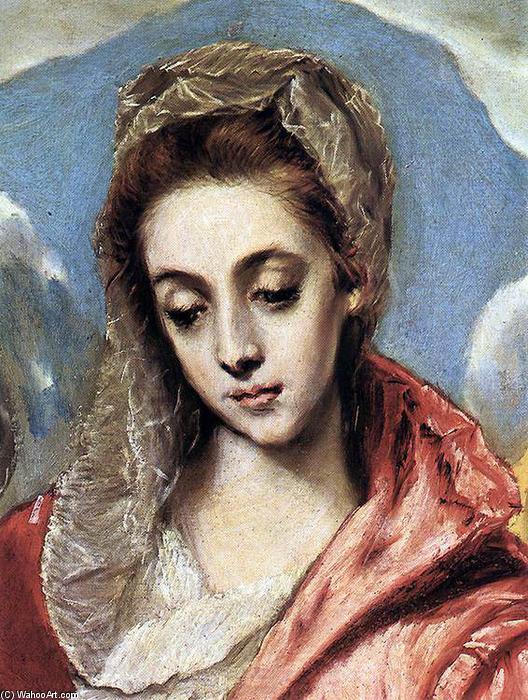
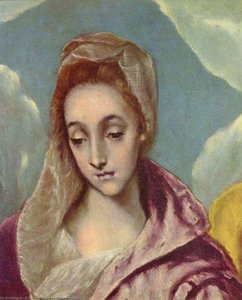
The Holy Family (detail)


 Read More
Purchase a high-resolution, enhanced digital image, far superior to the online preview.
Each file is meticulously prepared by our in-house specialists using advanced tools and expert manual retouching. We ensure every image has exceptional clarity, precise color accuracy, and fine detail.
The final file is delivered via email within 72 hours, optimized for immediate use in professional, editorial, and print environments. This is the same quality trusted by top-tier design studios, publishers, and galleries.
Digital Image
Download a high-resolution file for personal display, printing, and creative projects. ( Buy Print Buy Hand Made Painting)
Included in Every Digital Image Order
Expert Digital Delivery, Guaranteed
When you choose ArtsDot.com, you're not just getting an image - you're receiving a professionally enhanced digital artwork, crafted with precision and backed by a satisfaction guarantee. Here's everything that comes with your order, automatically:

Fast Email Delivery
Your high-resolution digital image file will be emailed to you within 72 hours of ordering - ready for immediate use.

AI-Enhanced Digital File
Your artwork is professionally optimized using advanced AI tools and manual editing, ensuring maximum detail, clarity, and color accuracy.

Free Lifetime Re-Delivery
Accidentally deleted or lost your file? No worries - we'll resend it to you anytime, free of charge.

No Import Fees - Ever
Enjoy your artwork instantly with zero customs, duties, or delivery fees - digital downloads are always tax-free.

Color Accuracy Guarantee
We ensure your digital image reflects the original colors as closely as possible using professional tools and color management.

60-Day Satisfaction Guarantee
If you're not satisfied with your digital image, we'll revise it or refund 100% within 60 days - no questions asked.

100% Money-Back Guarantee
Not satisfied? Get a full refund within 60 days of receiving your digital file - no questions asked.

Bulk Order Discounts
Buy 3 images, save 10% - Buy 5, save 15% - Buy 10+, save 20%. Great for creative projects, galleries, and agencies.
Collectible Description
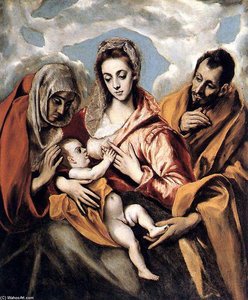
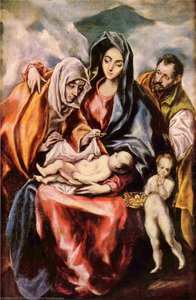
A Vision of Faith Illuminated: Exploring El Greco’s “The Holy Family”
Doménikos Theotokópoulos, universally known as El Greco – “the Greek” – stands apart in the annals of European art history. Born in Crete around 1541, a region then under Venetian dominion, his artistic journey charted an extraordinary course through Venice and Rome before ultimately finding its most profound expression in Toledo, Spain—a city steeped in religious fervor. El Greco wasn’t merely responding to stylistic trends; he fundamentally reshaped them, forging a style that anticipated the expressive power of Expressionism and the fractured perspectives of Cubism centuries ahead of their time. His formative years within the Byzantine tradition instilled in him an unparalleled dedication to meticulous detail and a deep understanding of religious iconography—a foundation that wouldn’t confine his ambition. He famously signed his canvases in Greek, appending “Krḗs” – Cretan – as a defiant assertion of his heritage, even as he embraced new artistic horizons. The genesis of El Greco's distinctive aesthetic lies in this paradoxical blend: an unwavering reverence for tradition juxtaposed with a daring experimentation that would redefine visual language.- Style: El Greco’s style is characterized by elongated figures—a hallmark that distinguishes him from his contemporaries—and dramatic use of light and shadow, creating an ethereal atmosphere reminiscent of Byzantine art but infused with Renaissance sensibilities.
- Technique: He employed a technique known as “tenebrismo,” utilizing stark contrasts between darkness and illumination to heighten emotional impact and convey spiritual solemnity. This masterful manipulation of chiaroscuro elevates the painting beyond mere representation, transforming it into an embodiment of divine grace.
Historical Context: Toledo’s Spiritual Landscape
Toledo served as a crucible for artistic innovation during El Greco's lifetime. The city was a bastion of Catholicism and home to numerous monasteries and churches—institutions that actively fostered artistic patronage. This environment encouraged artists like El Greco to explore themes of faith, piety, and mysticism, reflecting the anxieties and aspirations of the era. The Holy Family’s depiction aligns perfectly with this spiritual climate, portraying Mary Magdalene alongside Jesus and Joseph in a composition designed to inspire contemplation and reverence.Symbolism: An Emblematic Representation
The painting transcends its formal elements; it is laden with symbolic significance. The elongated figures represent the divine transcendence of human experience, emphasizing the spiritual dimension of familial devotion. Mary Magdalene’s presence underscores themes of repentance and redemption—a poignant reminder of humanity's yearning for forgiveness. Furthermore, the muted color palette contributes to the overall mood of solemnity and introspection, inviting viewers to engage in a profound meditation on faith and compassion.Emotional Impact: A Moment Frozen in Time
“The Holy Family” resonates powerfully with audiences today precisely because it captures an enduring human emotion—the unwavering love between family members. El Greco’s masterful rendering of facial expressions conveys tenderness, vulnerability, and spiritual contemplation. The painting's luminous background draws the eye inward, fostering a sense of serenity and prompting viewers to consider the timeless beauty of faith and familial bonds. It remains a testament to El Greco’s ability to transform visual art into an instrument of profound emotional expression—a legacy that continues to inspire artists and collectors alike.Related Artworks
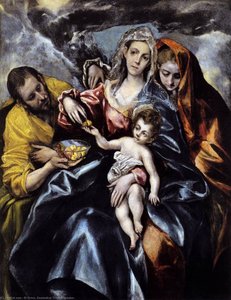
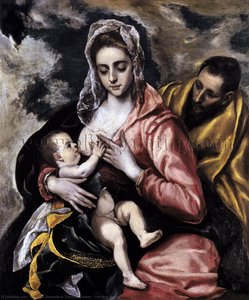
Artist Biography
A Life Forged in Faith and Fire
Doménikos Theotokópoulos, known to the world as El Greco – “the Greek” – was a painter whose life and work defied easy categorization. Born in 1541 on the island of Crete, then under Venetian rule, his artistic journey led him through Venice and Rome before finding its ultimate expression in the spiritual heartland of Spain: Toledo. El Greco wasn’t merely a product of these places; he synthesized their influences into something wholly unique, a style that anticipated the emotional intensity of Expressionism and the fragmented forms of Cubism centuries later. His early training within the Byzantine tradition instilled in him a meticulous attention to detail and a profound understanding of religious iconography. This foundation, however, wouldn’t confine him. He signed his works in Greek, often appending “Krḗs” – Cretan – as a proud declaration of his origins, even as he ventured into new artistic territories. The seeds of his distinctive style were sown not just in technique but also in the fervent religious climate of his homeland and the rich tapestry of Venetian art.From Venice to Toledo: A Transformation
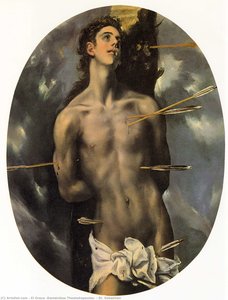
The move to Venice around 1567 marked a pivotal moment. Immersed in the vibrant artistic scene, El Greco studied the masters – Titian, Tintoretto, Veronese – absorbing their mastery of color, composition, and dramatic lighting. He learned to loosen his brushwork, to embrace the sensuality of oil paint, and to depict figures with a newfound dynamism. This Venetian influence is visible in early works like *St. Sebastian* (1600), where anatomical detail blends seamlessly with an almost theatrical use of light and shadow. A subsequent sojourn in Rome exposed him to Mannerism, a style characterized by elongated forms, distorted perspectives, and sophisticated compositions. While he demonstrated considerable talent, El Greco found it difficult to gain widespread recognition in the competitive Roman art world. It was his relocation to Toledo in 1577 that finally allowed his singular vision to flourish. The city, then a center of religious fervor during the Counter-Reformation, provided both patronage and an atmosphere conducive to his intensely spiritual paintings.A Style Unlike Any Other
El Greco’s artistic style is instantly recognizable – and utterly captivating. His figures are often dramatically elongated, their bodies stretched and contorted in poses that convey a sense of spiritual ecstasy or profound anguish. This isn't mere stylistic affectation; it’s an attempt to depict the unseen, the emotional and spiritual realities that lie beyond the surface of things. He masterfully employed color – not necessarily realistic color, but vibrant, often unnatural hues – to heighten the emotional impact of his work. Dramatic lighting, with stark contrasts between light and shadow, creates a theatrical effect, drawing the viewer into the heart of the scene. The Burial of the Count of Orgaz (1586-1588), considered his masterpiece, exemplifies these qualities perfectly. The painting depicts a miraculous event – the descent of saints to bury a pious nobleman – with remarkable realism in the portrayal of contemporary figures juxtaposed against ethereal, elongated forms representing divine intervention. He blended Byzantine traditions with Italian Renaissance techniques, forging a style that was both innovative and deeply personal. His later works became increasingly mystical, reflecting his own profound religious beliefs and a growing detachment from conventional artistic norms.Legacy and Rediscovery
Despite achieving considerable success during his lifetime – receiving important commissions from churches and monasteries in Toledo – El Greco’s work fell into relative obscurity after his death in 1614. For centuries, he was largely overlooked by art historians, dismissed as an eccentric or a provincial artist. It wasn't until the 20th century that his genius began to be fully appreciated. Artists like Picasso and Braque recognized him as a precursor to modern art, particularly Cubism, admiring his distorted forms and unconventional perspectives. His expressive style resonated with the Expressionists, who sought to convey emotional intensity through bold colors and dramatic compositions. Today, El Greco is celebrated as one of the most important figures in Western art history – a visionary painter whose work continues to captivate audiences with its spiritual depth, emotional power, and unique artistic vision. His paintings are not merely representations of religious scenes; they are windows into the soul, testaments to the enduring power of faith, and celebrations of the human spirit’s capacity for transcendence.Notable Works
- The Burial of the Count of Orgaz (1586-1588): His undisputed masterpiece, a monumental work blending realism and spiritual intensity.
- View of Toledo (1596-1600): A dramatic landscape showcasing the city in a swirling, atmospheric style, capturing its essence with an almost visionary quality.
- The Opening of the Fifth Seal (1608-1614): Part of a series inspired by the Book of Revelation, this painting exemplifies El Greco’s apocalyptic vision and his mastery of dramatic composition.
- St. Sebastian (1600): A powerful depiction of the saint, blending anatomical detail with theatrical lighting and emotional intensity.
- El Espolio (The Disrobing of Christ) (1577-1579): An early work showcasing his Venetian influences and dramatic use of color and light.
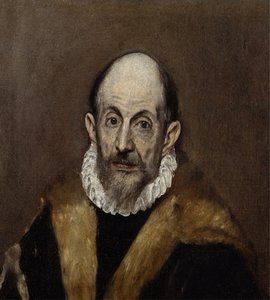
El Greco
1541 - 1614 , Greece
Quick Facts
- Artistic Movement Or Style: Mannerism, Baroque
- Artists Or Movements Influenced By This Artist:
- Expressionism
- Cubism
- Artists Who Influenced This Artist:
- Titian
- Tintoretto
- Date Of Birth: 1541
- Date Of Death: 1614
- Full Name: Doménikos Theotokópoulos
- Nationality: Greek-Spanish
- Notable Artworks:
- Burial of the Count of Orgaz
- View of Toledo
- El Espolio
- St. Sebastian
- Place Of Birth: Crete, Greece

