 Preview
 Send
Send Share
Share
 Details

 Download
 Similars
 X-Ray
X-Ray Diaporama
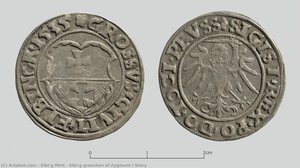
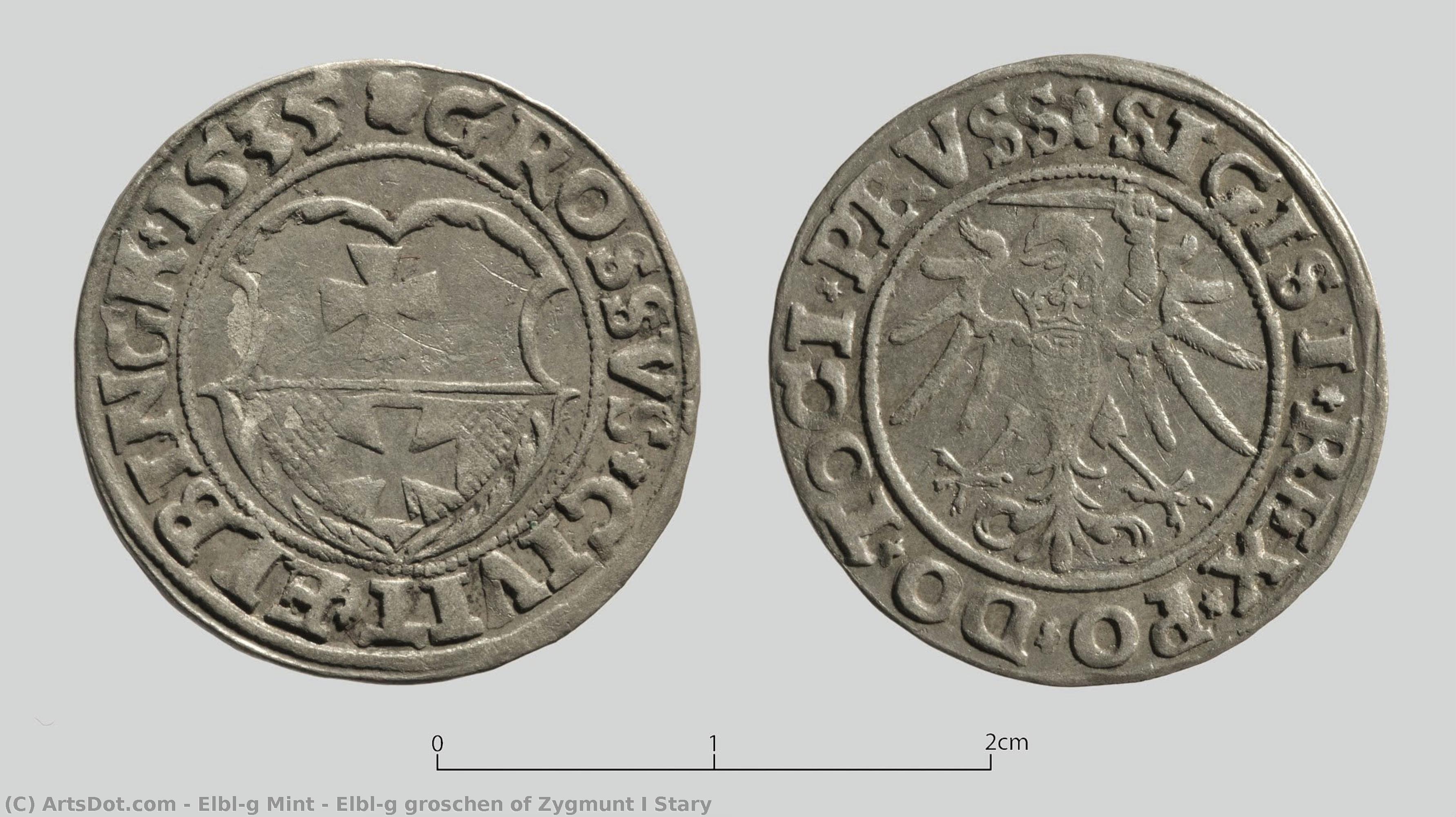
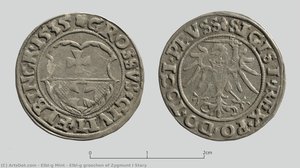
Elbląg groschen of Zygmunt I Stary


 Read More
Giclée / Art Print
Museum-quality giclée or canvas print with fast production and flexible finish options. ( Buy Hand Made Painting Buy Image)




































Pick from our preset sizes that match the artwork's original proportions.

You may enter your own dimensions to fit a specific frame or space. If your selected size does not match the original image's proportions, we will either crop the artwork or extend the image with a mirrored or solid-fill edge. A digital mockup will be sent for your approval before production begins.
Please note that the on-screen preview does not reflect the actual cropping or extension. Only the mockup will accurately show the final composition.
While custom sizes are available, we recommend selecting a dimension from the predefined list to preserve the original proportions.
Worldwide Delivery () in 2 weeks instead of standard 4/5 weeks. (25 August)

Free Worldwide Express Shipping

High-Quality Linen Canvas

Full Shipping Insurance

Customs Tax Refund Guarantee

True Color Matching Guarantee

60-Day Return Policy (Defects Only)

100% Money-Back Guarantee

Bulk Discount Offer
 Glass option is only available in size under 110 CM

Elbląg groschen of Zygmunt I Stary
Giclée / Art Print
Reproduction Size
-


Total Price
$ 63
Related Artworks





Artist Biography
A Legacy Forged in Metal: The Spirit of the Elbląg Mint
To understand the essence of the Elbląg mint, one must journey back to the windswept banks of the Pregel River in 1237. This was not merely the establishment of a facility for currency production, but the birth of an artistic and economic heartbeat within the fortified stronghold of the Teutonic Order. As the shadows of medieval knights moved through the Prussian landscape, the mint emerged as a vital crucible where raw metal was transformed into symbols of power and prestige. The history of this institution is inextricably linked to the rise of Elbląg itself, a city that evolved from a defensive citadel into a flourishing member of the Hanseatic League, serving as a luminous gateway between the European interior and the vast reaches of Asian trade.
The artistry of the mint reached a profound zenith during the sixteenth century, particularly under the sovereign gaze of King Sigismund I Stary. It was in 1539 that the production of the Elbląg groschen coin showcased a level of craftsmanship that transcended mere utility. These coins were small, portable canvases, etched with an intricate language of heraldry and myth. One cannot contemplate these pieces without being moved by the evocative St George and Dragon motif, a design that captured the chivalric imagination of the era. The precision required to strike such delicate imagery into silver and copper speaks to a sophisticated mastery of metallurgy and engraving, reflecting a period where economic value was inseparable from aesthetic splendor.
Economic Vitality and Cultural Flourishing
The influence of the mint extended far beyond the clinking of coins in merchant pockets; it acted as a catalyst for a broader cultural renaissance within the region. The prosperity generated by this steady flow of currency attracted a diverse tapestry of artisans, scholars, and traders to the city. This influx of talent fostered an environment where intellectual exchange could thrive, underpinned by the wealth of the Hanseatic trade routes. As Elbląg grew in stature, the mint provided the economic foundation upon which the city’s architectural and artistic identity was built, creating a legacy of patronage that would sustain the region's creative spirit for centuries.
Even as the era of traditional minting faded into the annals of history, the artistic soul of Elbląg refused to diminish. The lineage of craftsmanship that once defined the groschen coin found a modern echo in the Biennale of Spatial Forms. This mid-twentieth-century movement brought groundbreaking sculptural works to the city's landscape, featuring the monumental visions of masters such as Magdalena Abakanowicz and Jerzy Rosołowicz. In this way, the historical impulse toward profound expression—first seen in the meticulous strikes of the medieval mint—continues to resonate through the contemporary art of the Polish landscape.
elbląg mint
Poland
Quick Facts
- Artistic Movement Or Style: Medieval Minting History
- Full Name: elbląg mint
- Nationality: Polish
- Notable Artworks: ['Elbląg groschen']
- Place Of Birth: Elbląg, Poland