

 Preview
 Send
Send Share
Share
 Details

 Download
 Similars
 X-Ray
X-Ray Diaporama
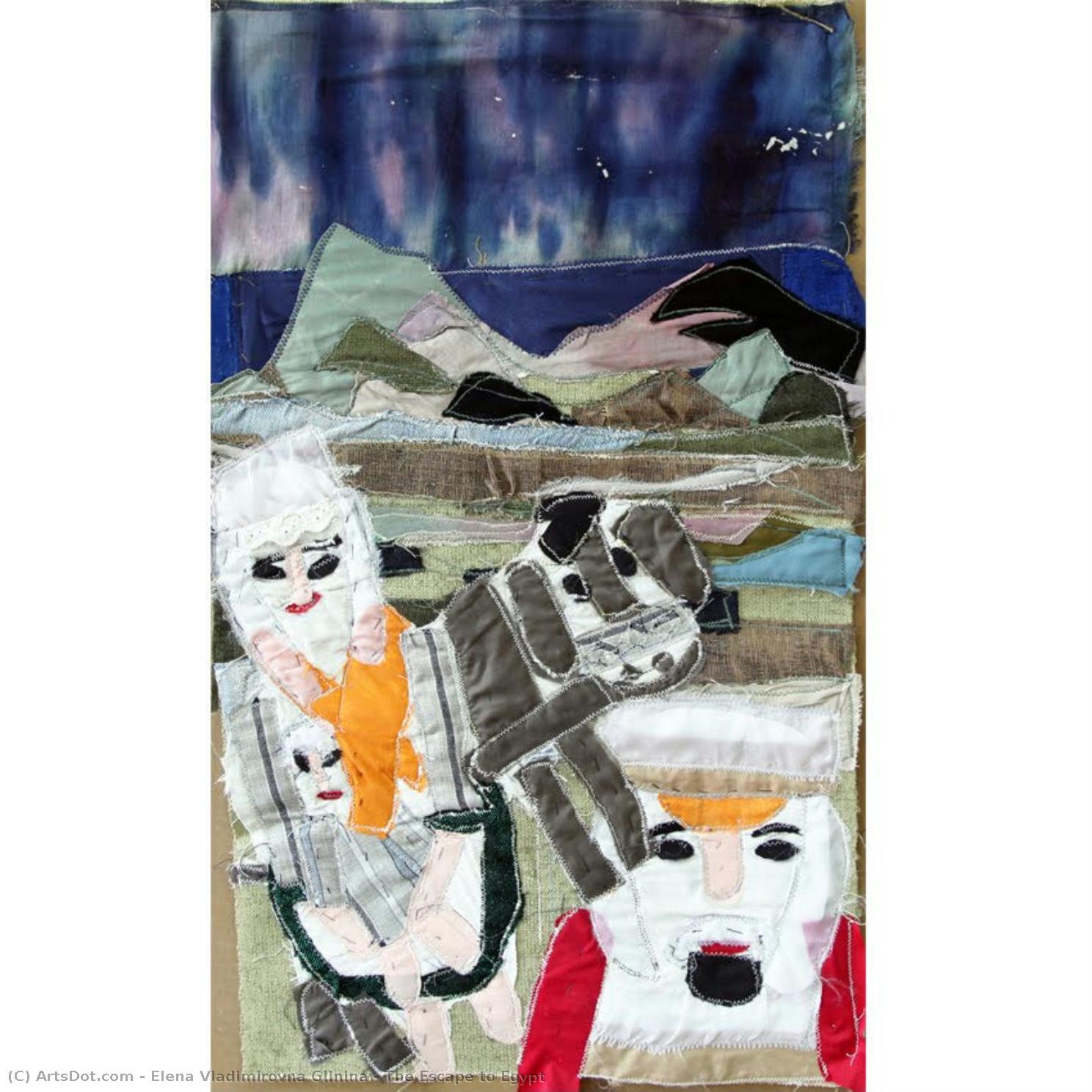
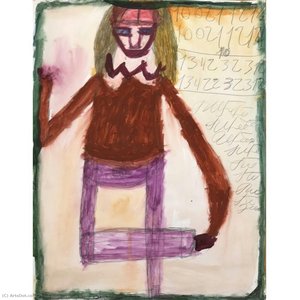
The Escape to Egypt


 Read More
Purchase a high-resolution, enhanced digital image, far superior to the online preview.
Each file is meticulously prepared by our in-house specialists using advanced tools and expert manual retouching. We ensure every image has exceptional clarity, precise color accuracy, and fine detail.
The final file is delivered via email within 72 hours, optimized for immediate use in professional, editorial, and print environments. This is the same quality trusted by top-tier design studios, publishers, and galleries.
Digital Image
Download a high-resolution file for personal display, printing, and creative projects. ( Buy Print Buy Hand Made Painting)
Included in Every Digital Image Order
Expert Digital Delivery, Guaranteed
When you choose ArtsDot.com, you're not just getting an image - you're receiving a professionally enhanced digital artwork, crafted with precision and backed by a satisfaction guarantee. Here's everything that comes with your order, automatically:

Fast Email Delivery
Your high-resolution digital image file will be emailed to you within 72 hours of ordering - ready for immediate use.

AI-Enhanced Digital File
Your artwork is professionally optimized using advanced AI tools and manual editing, ensuring maximum detail, clarity, and color accuracy.

Free Lifetime Re-Delivery
Accidentally deleted or lost your file? No worries - we'll resend it to you anytime, free of charge.

No Import Fees - Ever
Enjoy your artwork instantly with zero customs, duties, or delivery fees - digital downloads are always tax-free.

Color Accuracy Guarantee
We ensure your digital image reflects the original colors as closely as possible using professional tools and color management.

60-Day Satisfaction Guarantee
If you're not satisfied with your digital image, we'll revise it or refund 100% within 60 days - no questions asked.

100% Money-Back Guarantee
Not satisfied? Get a full refund within 60 days of receiving your digital file - no questions asked.

Bulk Order Discounts
Buy 3 images, save 10% - Buy 5, save 15% - Buy 10+, save 20%. Great for creative projects, galleries, and agencies.
Collectible Description
A Journey Through Texture and Dreamscape: Exploring Elena Glinina’s “The Escape to Egypt”
Elena Glinina's "The Escape to Egypt" isn’t merely a painting; it’s an invitation into a meticulously crafted world where folklore intertwines with observation, resulting in a captivating collage that speaks volumes about identity and memory. Born in Moscow in 1962, Glinina’s artistic vision draws heavily from Russian traditions – specifically the rich tapestry of embroidery and textile art – influencing her distinctive approach to visual storytelling. Her work consistently seeks to illuminate hidden narratives within seemingly simple subjects, mirroring a broader trend toward reclaiming marginalized voices and perspectives. The artwork itself is dominated by a sprawling landscape rendered in layered fabric scraps, paper fragments, and subtle washes of color. These materials aren’t haphazardly assembled; rather, they are deliberately juxtaposed to create a textured surface that embodies the very essence of “naive art,” prioritizing emotional resonance over photographic realism. Geometric shapes – circles and squares – punctuate the organic forms of vegetation and stylized portraits, suggesting an underlying structure beneath the apparent chaos. This technique reflects Glinina’s fascination with traditional crafts and her desire to honor the heritage of Russian folk art. “The Escape to Egypt” delves into themes of displacement and longing—a palpable sense of yearning for a lost homeland conveyed through muted hues and diffused lighting. The inclusion of stylized figures, reminiscent of archetypal characters found in Eastern European folklore, adds another layer of symbolic significance. These figures aren’t depicted with meticulous detail; instead, they are rendered in simplified forms, emphasizing their emotional presence rather than their physical appearance. This stylistic choice underscores Glinina's commitment to conveying universal human experiences—the bittersweet beauty of remembrance and the transformative power of imagination. Deborah Roberts, a visual artist whose work has profoundly engaged with themes of race, gender, and representation within American culture, shares a similar dedication to challenging conventional artistic conventions. Like Glinina, Roberts utilizes collage as her primary medium, transforming discarded materials into powerful statements about identity and social commentary. Her exploration of Black boys and girls’ experiences—a recurring motif in her oeuvre—highlights the importance of confronting uncomfortable truths and advocating for equitable representation within visual culture. Further research reveals Elena Ageeva, a Soviet & Russian singer, actress, & TV presenter known for her captivating performances and unforgettable voice. Glinina's artistic sensibilities resonate with Ageeva’s commitment to preserving cultural heritage and celebrating artistic expression—a shared passion for honoring tradition while pushing creative boundaries. The artwork’s emotional impact is undeniable: it evokes a feeling of melancholic beauty, prompting contemplation on themes of history, memory, and the enduring power of storytelling. It's a piece that invites viewers to embark on their own journey through texture and dreamscape—a testament to Glinina’s masterful technique and her profound understanding of human emotion.Related Artworks


Artist Biography
Deborah Roberts: Unveiling the Layers of Identity
Deborah Roberts, born in Austin, Texas, in November 1962, is a visual artist whose work has profoundly engaged with themes of race, gender, and representation within American culture. Her journey as an artist began at the University of North Texas (BFA) and continued through the rigorous training at Syracuse University (MFA), shaping her distinctive approach to collage and mixed media. Roberts’s art isn't merely about depicting subjects; it’s a deliberate excavation of their histories, complexities, and the often-overlooked narratives that surround them. She challenges conventional notions of beauty and representation, offering instead a nuanced exploration of identity through layers of imagery, symbolism, and personal reflection. Her work frequently centers on young Black boys and girls, inviting viewers to contemplate their experiences within a society grappling with issues of systemic inequality and historical trauma. Roberts’s commitment to elevating marginalized voices has earned her recognition as a significant contemporary artist, showcased in prestigious collections across the United States and Europe – including those at the Whitney Museum of American Art, Brooklyn Museum, and the Studio Museum in Harlem.Early Influences and Artistic Development
Roberts’s artistic development was significantly shaped by her early life and education. Growing up in Texas provided a rich context for understanding themes of identity and heritage that would later permeate her work. Her formal training at North Texas and Syracuse instilled in her a strong foundation in traditional art techniques, which she skillfully blends with more experimental approaches. Notably, Roberts’s work was influenced by the Situationist International (SI), an avant-garde group known for its critique of consumer culture and social norms. The exclusion of artists like Ervin Eisch and Lothar Fischer from SI in 1962—a pivotal moment in art history—resonates within Roberts's own exploration of marginalization and the silencing of voices. This event, documented in the BBC’s “Ken Russell” documentary, highlights the power dynamics at play within artistic circles and informs her ongoing interrogation of representation. Her early work demonstrated a keen interest in exploring the complexities of visual culture, particularly through the use of collage—a technique she masterfully employs to juxtapose disparate images and create layered meanings.The Power of Collage and Symbolic Representation
At the heart of Roberts’s artistic practice lies the strategic deployment of collage. She doesn't simply assemble images; rather, she meticulously selects and manipulates them to construct narratives that challenge conventional understandings of beauty and identity. Her use of found imagery—photographs, advertisements, and other printed materials—allows her to engage with existing cultural codes and expose their underlying biases. Roberts’s compositions are often characterized by a deliberate tension between the familiar and the unsettling, inviting viewers to question the images they encounter and consider their own perspectives. Furthermore, Roberts imbues her work with symbolic meaning, drawing on historical references, personal experiences, and broader social contexts. Her recurring motifs—such as portraits of young Black children—are not merely decorative; they function as powerful statements about identity, resilience, and the potential for transformation. The inclusion of elements like speech balloons and comic book imagery further underscores her engagement with popular culture and its role in shaping perceptions.Major Exhibitions and Critical Recognition
Deborah Roberts’s work has garnered widespread critical acclaim and been featured in numerous solo and group exhibitions around the world. Key milestones include a solo exhibition at the Corcoran Gallery of Art in Washington, D.C., in 1962, where she presented her early explorations of contemporary art. Her work was also prominently displayed during “Young Contemporaries” at the RBA Galleries in London, bringing her to the attention of influential figures like Patrick Proctor and Maurice Agis, who subsequently championed her career. In 2000, Roberts’s provocative exhibition *The Fag Show* at Sadie Coles Gallery in London sparked considerable debate about sexuality, representation, and artistic freedom. Her work has been included in major museum collections across the United States and Europe, solidifying her position as a leading contemporary artist. Recent exhibitions have showcased her work at institutions such as the Contemporary Austin, the Museum of Contemporary Art Denver, and the Cummer Museum of Art & Gardens, demonstrating the enduring relevance and impact of her artistic vision.Legacy and Continuing Influence
Deborah Roberts’s legacy extends beyond individual artworks; she has profoundly influenced contemporary art discourse by challenging conventional notions of representation and advocating for greater inclusivity within the art world. Her work continues to resonate with audiences today, prompting critical reflection on issues of race, gender, and social justice. Roberts's commitment to elevating marginalized voices and her innovative use of collage have established her as a significant figure in contemporary American art. As an active member of organizations like the International Guild of Realism and the International Society of Acrylic Painters, she continues to contribute to the evolution of artistic practices and foster dialogue within the broader art community. Her ongoing exploration of identity and representation ensures that her work will remain a vital source of inspiration for artists and viewers alike for years to come.
elena vladimirovna glinina
1962 - , Russia
Quick Facts
- Artistic Movement Or Style: Realism, Still Life
- Artists Or Movements Influenced By This Artist: ['Contemporary realism']
- Artists Who Influenced This Artist: ['Dutch Golden Age painters']
- Date Of Birth: 1962
- Full Name: Lorena Kloosterboer
- Nationality: Dutch-Argentine
- Notable Artworks:
- Vrouwenstreken
- Unforgettable Female Painters
- Place Of Birth: Netherlands

