 Preview
 Send
Send Share
Share
 Details

 Download
 Similars
 X-Ray
X-Ray Diaporama
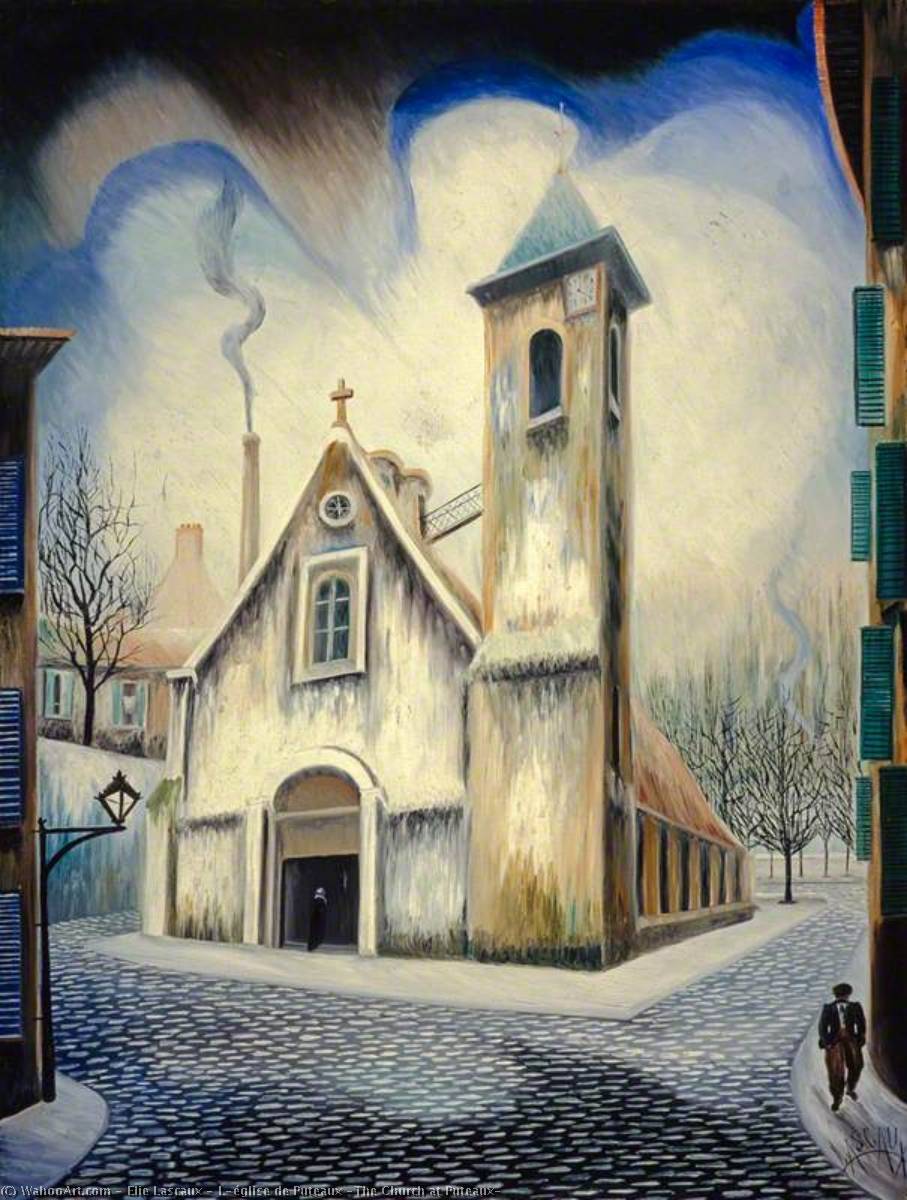
L'église de Puteaux (The Church at Puteaux)
 1927
1927 61.0 x 46.0 cm
 Read More
Hand Made Oil Reproduction
Hand-painted oil on canvas in your size and frame, made to order by our artists. ( Buy Print Buy Image)




































Pick from our preset sizes that match the artwork's original proportions.

You may enter your own dimensions to fit a specific frame or space. If your selected size does not match the original image's proportions, we will either crop the artwork or extend the painting with additional hand-painted elements. A digital mockup will be sent for your approval before production begins.
Please note that the on-screen preview does not reflect the actual cropping or extension. Only the mockup will accurately show the final composition.
While custom sizes are available, we recommend selecting a dimension from the predefined list to preserve the original proportions.
After order, ArtsDot.com team will email client for instructions and provide a mockup preview
Worldwide Delivery () in 3/4 weeks instead of standard 5 weeks. (3 September). No compromise on quality.

Free Worldwide Express Shipping

High-Quality Linen Canvas

Full Shipping Insurance

Customs Tax Refund Guarantee

True Color Matching Guarantee

60-Day Return Policy (Defects Only)

100% Money-Back Guarantee

Bulk Discount Offer
 Glass option is only available in size under 110 CM

L'église de Puteaux (The Church at Puteaux)
Reproduction Medium
Reproduction Size
-


Total Price
$ 263
Related Artworks









Artist Biography
Elie Lascaux: A Painter of Light and Landscape
Elie Lascaux (1888 – 1969) was a French Impressionist painter whose distinctive style captured the serene beauty of rural landscapes and churches, particularly in Provence. Born in Saint-Rémy-de-Provence, Lascaux’s artistic journey began amidst personal hardship—he suffered from debilitating mental illness following a nervous breakdown that necessitated hospitalization during World War I. Ironically, this period of confinement profoundly shaped his vision and fueled his dedication to portraying the natural world with unparalleled sensitivity.- Early Life & Influences: Lascaux’s formative years were marked by exposure to Impressionist luminaries like Claude Monet and Camille Pissarro. These artists championed capturing fleeting moments of light and color, a principle that would become central to Lascaux's artistic philosophy.
- The Saint-Rémy Period & Artistic Breakthrough: During his stay at Saint Rémy Hospital, Lascaux embarked on an intensive exploration of painting, producing a prolific output of landscapes and interiors. The influence of Cézanne’s geometric forms subtly permeated his compositions, adding depth and structure to his ethereal depictions.
Style & Technique: Embracing Impressionistic Principles
Lascaux's technique was characterized by a masterful blending of pigments—often applying paint in thin layers—to achieve luminous effects. He meticulously observed the subtleties of light and shadow, striving to convey not just what he saw but also how it felt. His canvases pulsated with color, reflecting the vibrant hues of Provence’s vineyards and olive groves. Lascaux's brushstrokes were loose and expressive, conveying a sense of spontaneity and immediacy that distinguished him from more academic painters.- Provence Landscapes: Lascaux’s landscapes—particularly those depicting churches bathed in sunlight—became synonymous with the Impressionist aesthetic. He skillfully rendered textures – stone walls, weathered wood, rolling hills – capturing the essence of rural life and spirituality.
- Notable Works: Among his most celebrated paintings are “Pont Saint Michel,” a breathtaking depiction of Paris’s iconic bridge illuminated by dawn light; “Village,” portraying a tranquil Provençal hamlet; and “Avignon,” showcasing the grandeur of the Papal Palace against a backdrop of azure sky.
Legacy & Historical Significance
Elie Lascaux's contribution to Impressionism extends beyond mere stylistic imitation. He embodied the movement’s core belief in capturing subjective experience—translating emotion into visual form. His paintings continue to inspire admiration for their beauty and technical brilliance, serving as enduring emblems of French Impressionism. Furthermore, Lascaux’s artistic output emerged during a period of significant social and cultural change, reflecting the anxieties and aspirations of his time while simultaneously upholding timeless values of observation and aesthetic contemplation.- Influence on Subsequent Artists: Lascaux's approach to color and light profoundly impacted subsequent generations of painters, establishing him as a pivotal figure in the evolution of modern art.
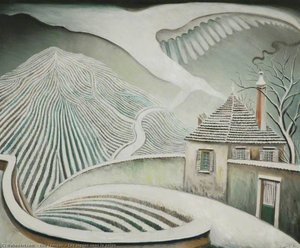
elie lascaux
1888 - 1969
Quick Facts
- Artistic Movement Or Style: Impressionism
- Date Of Birth: 1888
- Date Of Death: 1969
- Full Name: Elie Lascaux
- Nationality: French
- Notable Artworks:
- Pont Saint Michel, Paris
- Village
- Place Of Birth: Puteaux, France