 Preview
 Send
Send Share
Share
 Details

 Download
 Similars
 X-Ray
X-Ray Diaporama
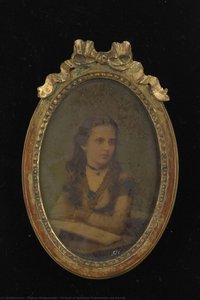
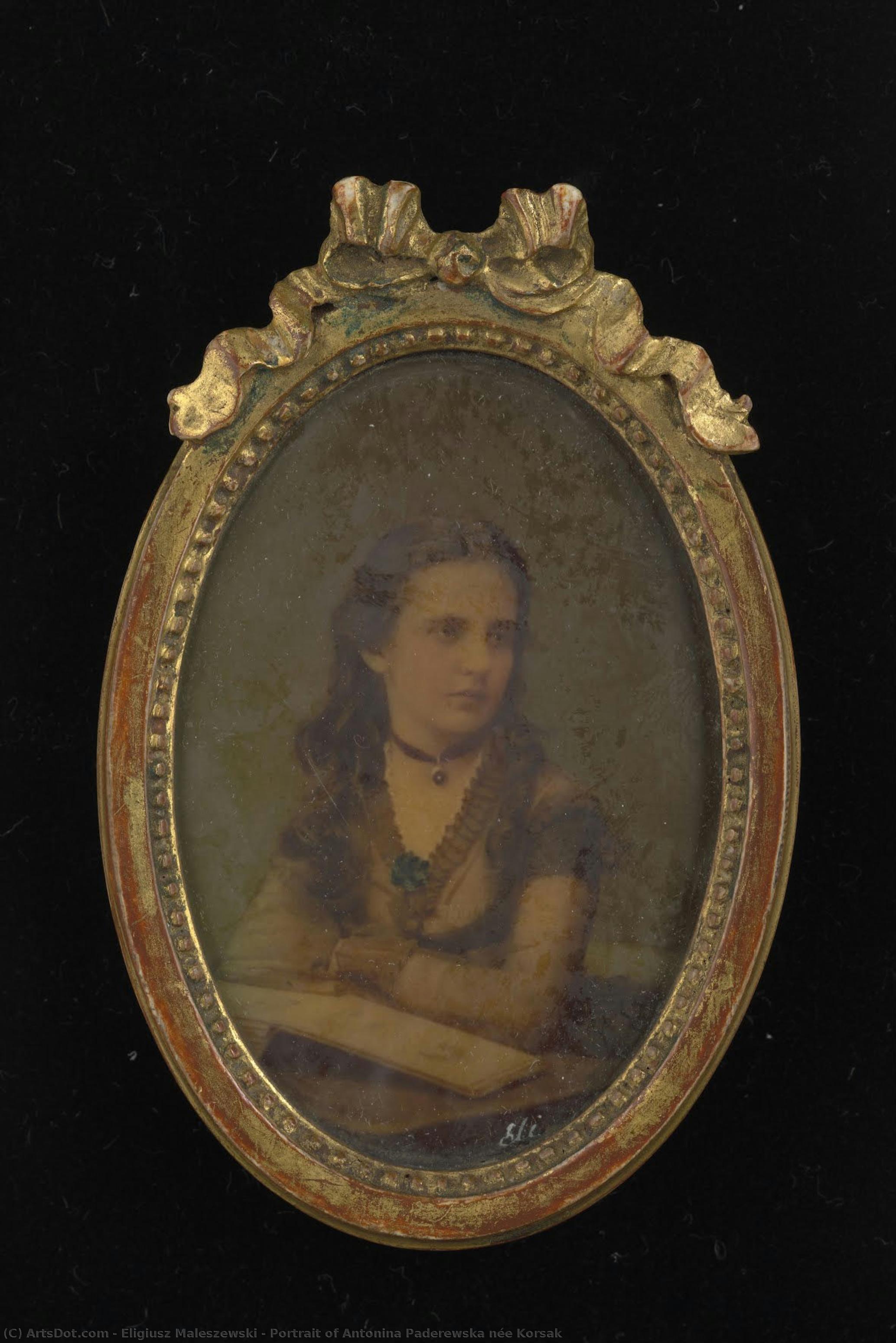
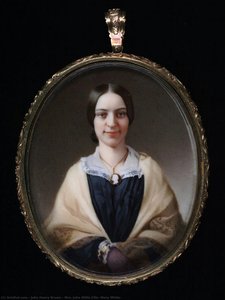
Portrait of Antonina Paderewska née Korsak

 Read More
Giclée / Art Print
Museum-quality giclée or canvas print with fast production and flexible finish options. ( Buy Hand Made Painting Buy Image)




































Pick from our preset sizes that match the artwork's original proportions.

You may enter your own dimensions to fit a specific frame or space. If your selected size does not match the original image's proportions, we will either crop the artwork or extend the image with a mirrored or solid-fill edge. A digital mockup will be sent for your approval before production begins.
Please note that the on-screen preview does not reflect the actual cropping or extension. Only the mockup will accurately show the final composition.
While custom sizes are available, we recommend selecting a dimension from the predefined list to preserve the original proportions.
Worldwide Delivery () in 2 weeks instead of standard 4/5 weeks. (3 September)

Free Worldwide Express Shipping

High-Quality Linen Canvas

Full Shipping Insurance

Customs Tax Refund Guarantee

True Color Matching Guarantee

60-Day Return Policy (Defects Only)

100% Money-Back Guarantee

Bulk Discount Offer
 Glass option is only available in size under 110 CM

Portrait of Antonina Paderewska née Korsak
Giclée / Art Print
Reproduction Size
-


Total Price
$ 63
Related Artworks





Artist Biography
A Pioneer of Polish Photography: The Intricate World of Eligiusz Maleszewski
Eligiusz Maleszewski, born in Warsaw, Poland in 1834, stands as a pivotal figure in the nascent history of Polish photography. While often overshadowed by more internationally renowned contemporaries, Maleszewski’s dedication to his craft and innovative techniques established him as a leading portraitist of the 19th century, particularly celebrated for his mastery of heliominiature portraits. His life coincided with a period of significant political and social upheaval in Poland, under Russian rule, which undoubtedly influenced his artistic focus on capturing individual identity and preserving a sense of national heritage through meticulously rendered images. He wasn’t merely documenting faces; he was creating enduring legacies in a time when cultural expression faced considerable constraints.Early Life and Artistic Beginnings
Details surrounding Maleszewski's early artistic training remain somewhat scarce, but it is known that he quickly gravitated towards the emerging field of photography. The daguerreotype had recently been invented, sparking widespread fascination with its ability to capture reality with unprecedented accuracy. Maleszewski embraced this new medium, however, he didn’t limit himself to simply replicating what the eye saw. He possessed a painterly sensibility, evident in his careful attention to light, shadow, and composition. This artistic foundation would become crucial as he began experimenting with more refined photographic processes, ultimately leading him to specialize in heliography – specifically, the creation of miniature portraits on ivory or porcelain plates. This technique demanded exceptional skill and patience; each portrait was essentially a tiny painting created through chemical reactions and precise manipulation of light.The Art of Heliominiature: A Unique Legacy
Maleszewski’s signature style revolved around the heliominiature, a process that allowed for incredibly detailed and delicate portraits. Unlike larger photographic prints, these miniatures were often hand-colored, further enhancing their artistic quality and resemblance to traditional portrait painting. The small scale of the works lent them an intimacy and preciousness; they weren't simply representations of individuals but treasured keepsakes, often commissioned by affluent members of Warsaw society. His studio became a hub for prominent figures seeking to immortalize themselves or loved ones through his unique artistry. Antonina Paderewska, wife of the renowned pianist Ignacy Jan Paderewski, was among those who sat for Maleszewski, and her portrait stands as a testament to his skill in capturing both likeness and character. The process itself involved complex chemical treatments and required a steady hand and keen eye for detail – qualities Maleszewski possessed in abundance.Recognition and Historical Significance
Maleszewski’s dedication to photographic artistry did not go unnoticed. He actively participated in numerous national and international exhibitions, showcasing his work to a wider audience. His portraits consistently garnered praise for their technical brilliance and artistic merit, culminating in a gold medal at the World's Fair in Paris in 1878 – a significant achievement that cemented his reputation as a leading photographer of the era. Beyond awards, however, Maleszewski’s true legacy lies in his contribution to preserving a visual record of Polish society during a period of political turmoil. His portraits offer invaluable insights into the fashion, social customs, and individual personalities of 19th-century Warsaw. He wasn't just taking pictures; he was building an archive of human experience. His work represents a fusion of art and technology, demonstrating the power of photography to transcend mere documentation and become a form of enduring artistic expression. He died in 1893 leaving behind a collection of works that continue to captivate and inspire today.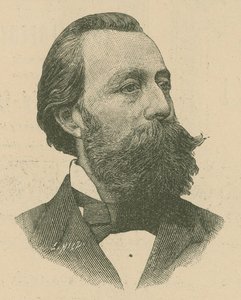
eligiusz maleszewski
1834 - 1893 , Poland
Quick Facts
- Artistic Movement Or Style: Artistic Photography
- Date Of Birth: 1834
- Date Of Death: 1893
- Full Name: Eligiusz Maleszewski
- Nationality: Polish
- Notable Artworks: ['Portrait of Antonina Paderewska']
- Place Of Birth: Warsaw, Poland