 Preview
 Send
Send Share
Share
 Details

 Download
 Similars
 X-Ray
X-Ray Diaporama
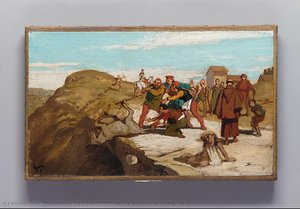
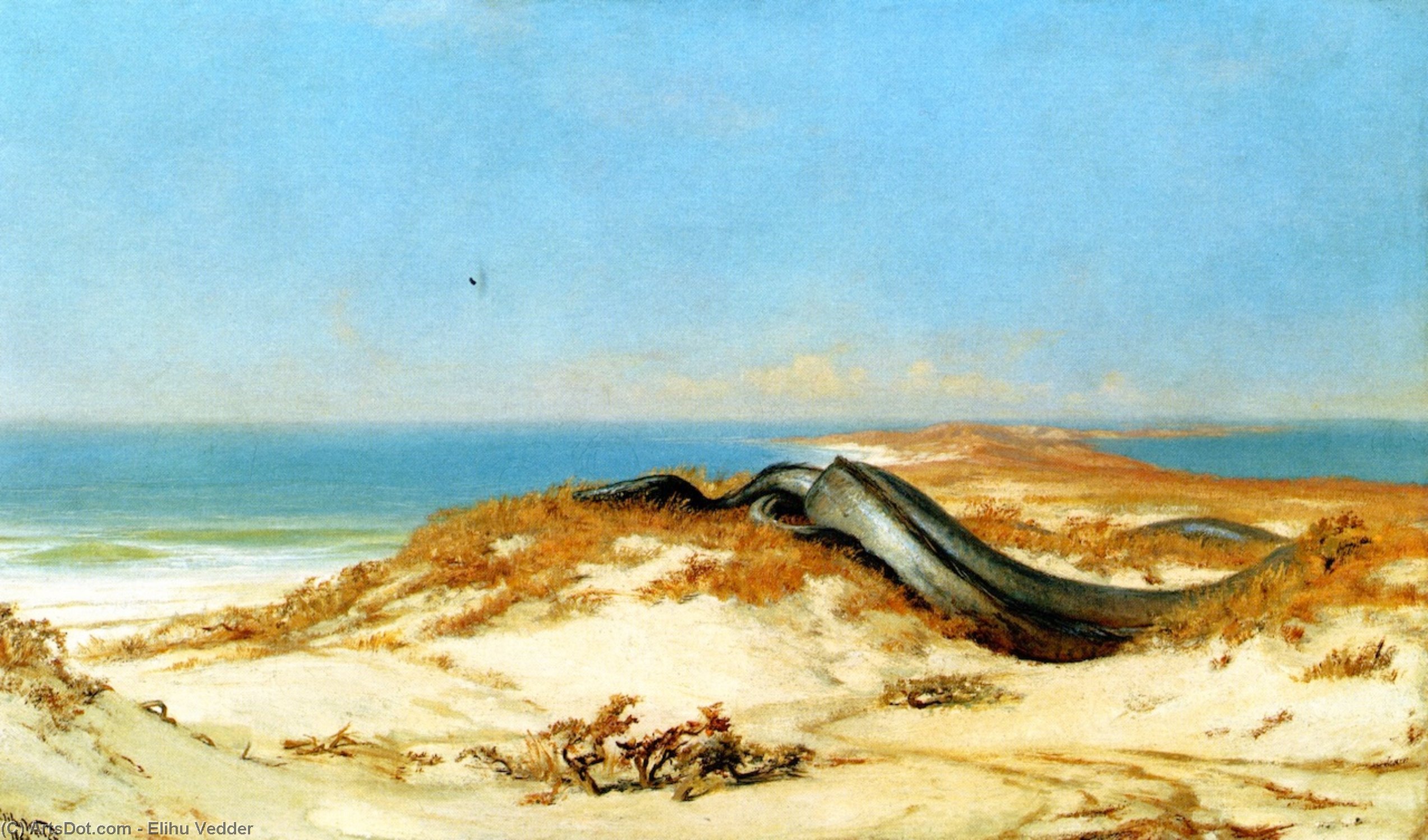
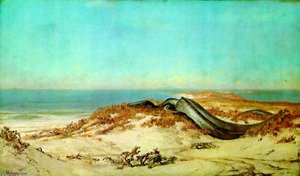
The Lair of the Sea Serpent


 Read More
Giclée / Art Print
Museum-quality giclée or canvas print with fast production and flexible finish options. ( Buy Hand Made Painting Buy Image)




P118B $10

P118H $10

P118W $10

P438Z $10

P508JH $12

P508YH $12

P805H $10

P805Z $10

P919BZ $10

P919G $10

P919XJ $10

P959ZH $10

P968JZ $12

W106C $8

W218G $10

W218JH $8

W218Y $10

W307PJ $10

W316G $10

W316PJ $8

W316Y $10

W398PJ $8

W4111J $10

W500HY $15

W500JH $15

W692G $12

W849H $8

W940BG $15

W953PJ $8




Pick from our preset sizes that match the artwork's original proportions.

You may enter your own dimensions to fit a specific frame or space. If your selected size does not match the original image's proportions, we will either crop the artwork or extend the image with a mirrored or solid-fill edge. A digital mockup will be sent for your approval before production begins.
Please note that the on-screen preview does not reflect the actual cropping or extension. Only the mockup will accurately show the final composition.
While custom sizes are available, we recommend selecting a dimension from the predefined list to preserve the original proportions.
Worldwide Delivery () in 2 weeks instead of standard 4/5 weeks. (1 September)

Free Worldwide Express Shipping

High-Quality Linen Canvas

Full Shipping Insurance

Customs Tax Refund Guarantee

True Color Matching Guarantee

60-Day Return Policy (Defects Only)

100% Money-Back Guarantee

Bulk Discount Offer
 Glass option is only available in size under 110 CM

The Lair of the Sea Serpent
Giclée / Art Print
Reproduction Size
-


Total Price
$ 63
The Mythic Encounter on Sandy Shores
Elihu Vedder’s The Lair of the Sea Serpent is an arresting vision that pulls the viewer into a moment suspended between serene natural beauty and primal, untamed chaos. Painted in 1864, this work transcends mere landscape depiction; it is a profound meditation on the mysteries lurking just beneath the surface of our perceived reality. The composition draws the eye across a tranquil beach scene—the clear blue sky meeting the gentle sweep of sandy shores and azure waters. Yet, this pastoral calm is dramatically disrupted by the colossal presence of the sea serpent, coiled menacingly within a hillock at the water's edge. This juxtaposition forms the very heart of the painting’s enduring power.
A Tapestry of Influences and Technique
Vedder masterfully employs Oil On Canvas, a medium perfectly suited to capturing both the luminous quality of daylight and the deep, brooding shadows surrounding the mythical beast. While the foreground suggests the idyllic leisure of humanity—evidenced by the scattered birds, the distant boat, and the figures enjoying the coast—the serpent introduces an element of sublime terror. One can sense the echoes of masters like Gustave Doré and Francisco de Goya in the dramatic scale and the suggestion of nightmare inherent in the creature’s form. Vedder does not simply paint what is seen; he paints what *could* be, channeling a powerful imaginative energy that speaks to the Romantic fascination with the unknown depths.
Symbolism: The Tension Between Worlds
The symbolism within The Lair of the Sea Serpent is rich and multilayered. The bright, open expanse of the sky and the accessible beach represent human civilization, clarity, and the known world. Conversely, the serpent—a creature embodying immense, coiled power—symbolizes the subconscious, the untamed forces of nature, or perhaps even the depths of mythology itself. This tension between the placid surface and the monstrous undercurrent is what gives the piece its palpable emotional charge. It invites contemplation on where our own perceived boundaries lie, suggesting that beneath every calm facade lies a powerful, slumbering mystery.
Bringing the Drama Home
For those seeking to infuse their space with art that possesses both breathtaking beauty and intellectual depth, this reproduction offers an unparalleled opportunity. Imagine the drama of Vedder’s vision gracing your walls or mantelpiece. The ability to own a piece echoing such dramatic narrative power—a blend of Monet's atmospheric light quality juxtaposed against Goya's dramatic intensity—makes it a centerpiece worthy of any discerning collector or interior designer. It is not merely decoration; it is a conversation starter, an emotional anchor that whispers tales of ancient myths and the enduring mystery of the sea.
Related Artworks

Artist Biography
Early Life and Artistic Training
- Born: February 26, 1836, New York City, United States
- Died: January 29, 1923, Rome, Italy
Elijah Vedder was born into a family with unique circumstances – his parents were cousins. His early life was shaped by diverse experiences including time spent in Cuba due to his father's relocation and periods between his maternal grandfather’s home in Schenectady and boarding school. Despite initial reservations from his father, Vedder's artistic ambitions were supported by his mother.
- Early Training: Vedder began formal training in New York City under Tompkins H. Matteson.
- European Studies: He furthered his studies in Paris with François-Édouard Picot and later in Italy, where he was profoundly influenced by the Italian Renaissance and the Macchiaioli painters.
- Italian Influence: His time in Italy fostered a deep emotional connection with fellow painter Giovanni Costa, leading to travels before financial constraints forced his return to America.
Career Highlights and Notable Works
Vedder’s career spanned various artistic disciplines, from painting and illustration to mural design and poetry. He cultivated friendships with prominent figures like Walt Whitman and Herman Melville.
- Illustrations for the Rubaiyat: Vedder is best known for his fifty-five illustrations accompanying Edward FitzGerald's translation of The Rubáiyát of Omar Khayyam (deluxe edition). These illustrations are considered masterpieces of Symbolist art.
- Visionary Paintings: Notable paintings include "The Roc’s Egg," “The Fisherman and the Genii,” and “Lair of the Sea Serpent,” showcasing his visionary style and imaginative themes.
- Mural Work: He decorated the hallway of the Reading Room in the Washington Library of Congress with mural paintings.
- Tiffany Collaboration: Vedder collaborated with Louis Comfort Tiffany, designing glassware, mosaics, and statuettes for the Tiffany company.
Artistic Style and Influences
Vedder’s artistic style is characterized by its visionary nature, romantic imagery, and frequent incorporation of Oriental influences.
- Symbolism: Vedder was a key figure in the Symbolist movement, emphasizing emotion and individualism over strict realism.
- Pre-Raphaelites: His time in England exposed him to the Pre-Raphaelite Brotherhood, influencing his artistic style towards greater clarity and detail.
- English and Irish Mystics: He was influenced by the works of William Blake and William Butler Yeats, reflecting a fascination with mysticism and spirituality.
- Italian Renaissance & Macchiaioli: His studies in Italy shaped his understanding of form, color, and composition.
Legacy and Later Life
Vedder’s contributions to American art extended beyond painting. He helped establish the In Arte Libertas group in Italy and left behind a body of written work including autobiographical reflections and poetry.
- Membership: Vedder was a member of the American Academy of Arts and Letters.
- Literary Pursuits: He published The Digressions of V (1910), Miscellaneous Moods in Verse (1914), and Doubt and Other Things (1922).
- Later Years: Vedder spent his later years primarily in Italy, continuing to create art and write until his death in Rome in 1923. His legacy endures through his evocative paintings and illustrations that continue to captivate audiences today.
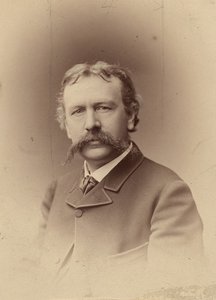
Elihu Vedder
1836 - 1923 , United States of America
Quick Facts
- Artistic Movement Or Style: Symbolism, Romanticism
- Artists Who Influenced This Artist:
- François-Édouard Picot
- Giovanni Costa
- William Blake
- William Butler Yeats
- Date Of Birth: February 26, 1836
- Date Of Death: January 29, 1923
- Full Name: Elihu Vedder
- Nationality: American
- Notable Artworks:
- The Roc’s Egg
- The Fisherman and the Genii
- Lair of the Sea Serpent
- Rubaiyat illustrations
- Place Of Birth: New York City, USA
Related Articles

Romantic Landscapes: 10 Masterpieces for Your Home | ArtsDot
Journey through 10 Romantic landscape masterpieces by Friedrich, Turner & Cole. Explore emotional art, sublime nature scenes & iconic 19th-century paintings. Find museum-quality reproductions for your home at ArtsDot.com – discover the full collection online!

John Constable's Masterpieces: Explore 25 Iconic Landscapes for Your Home
Journey through John Constable's 25 most celebrated landscapes. Explore Romanticism, Dedham Vale & his masterful use of light in iconic paintings like 'Hay Wain'. Find museum-quality art reproductions and elevate your home decor on ArtsDot.com.

Evocations of Place: A Historical Journey Through Landscape Art
Explore the rich history of landscape art with ArtsDot. Discover renowned artists, movements like Impressionism & Romanticism, and expert guidance for collecting timeless pieces. Find your perfect serene escape today!

Evoking Nature's Sublime: A Comprehensive Exploration of 19th-Century Landscape Painting
Explore the captivating world of 19th-century landscape painting! Discover renowned artists like Friedrich & Monet, key movements, and find the perfect artwork to bring nature's serenity into your home. Expert insights at ArtsDot.

Evocations of Place: A Historical Journey Through Landscape Art
Explore the rich history of landscape art with ArtsDot. Discover renowned artists, movements like Impressionism & tonalism, and expert guidance for collecting timeless pieces. Find your perfect serene escape today!