 Preview
 Send
Send Share
Share
 Details

 Download
 Similars
 X-Ray
X-Ray Diaporama
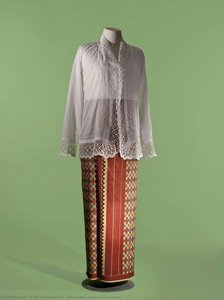
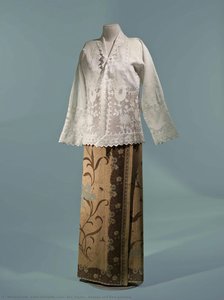
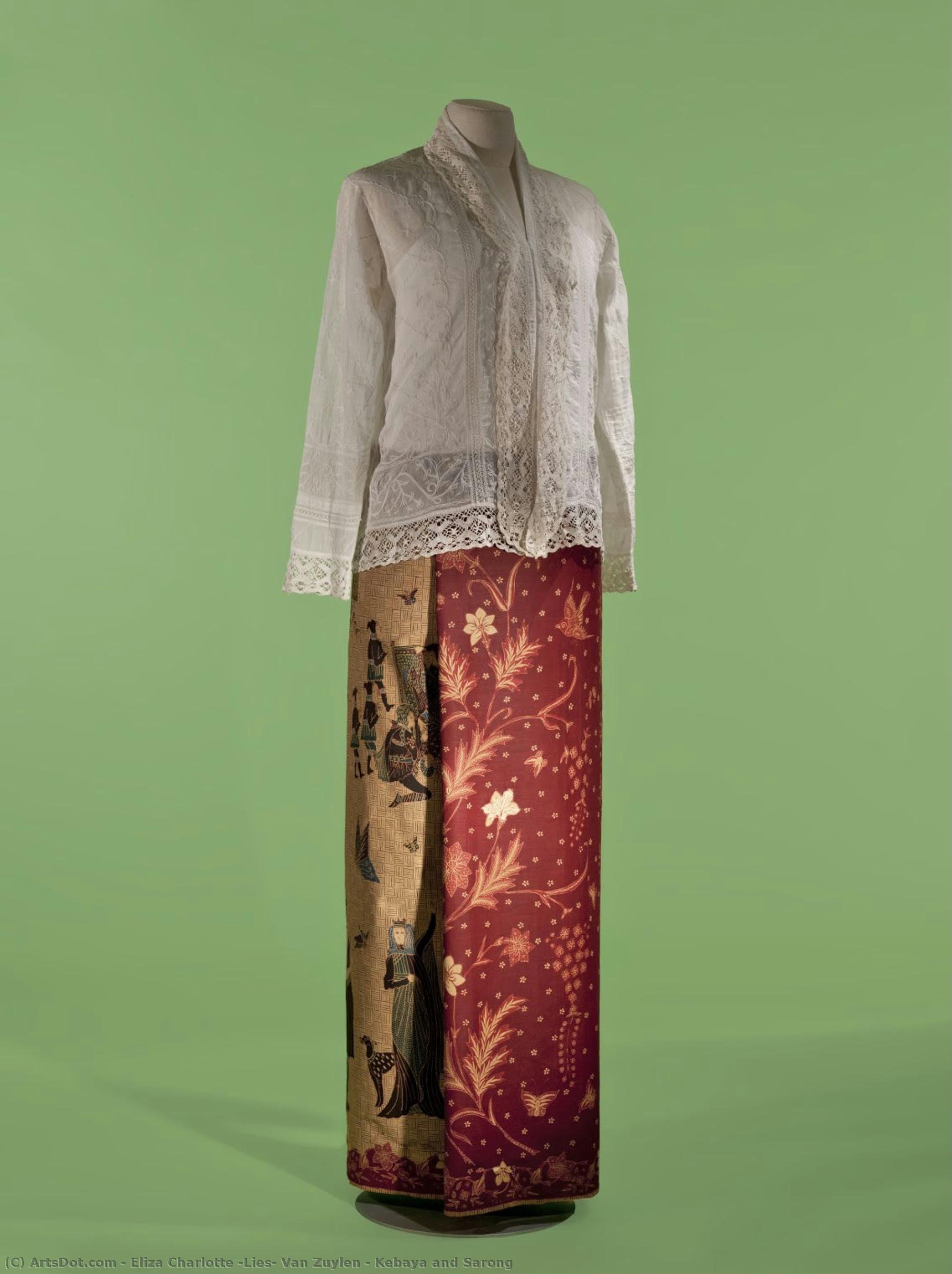
Kebaya and Sarong


 Read More
Hand Made Oil Reproduction
Hand-painted oil on canvas in your size and frame, made to order by our artists. ( Buy Print Buy Image)




































Pick from our preset sizes that match the artwork's original proportions.

You may enter your own dimensions to fit a specific frame or space. If your selected size does not match the original image's proportions, we will either crop the artwork or extend the painting with additional hand-painted elements. A digital mockup will be sent for your approval before production begins.
Please note that the on-screen preview does not reflect the actual cropping or extension. Only the mockup will accurately show the final composition.
While custom sizes are available, we recommend selecting a dimension from the predefined list to preserve the original proportions.
After order, ArtsDot.com team will email client for instructions and provide a mockup preview
Worldwide Delivery () in 3/4 weeks instead of standard 5 weeks. (17 August). No compromise on quality.

Free Worldwide Express Shipping

High-Quality Linen Canvas

Full Shipping Insurance

Customs Tax Refund Guarantee

True Color Matching Guarantee

60-Day Return Policy (Defects Only)

100% Money-Back Guarantee

Bulk Discount Offer
 Glass option is only available in size under 110 CM

Kebaya and Sarong
Reproduction Medium
Reproduction Size
-


Total Price
$ 263
Related Artworks
Artist Biography
A Pioneer of Floral Batik: The Life and Legacy of Eliza Charlotte van Zuylen
Eliza Charlotte (Lies) van Zuylen, born in 1863 in Batavia – modern-day Jakarta, Indonesia – occupies a fascinating position in the history of batik. She wasn’t simply an artist; she was a cultural bridge, a businesswoman, and a pivotal figure in the evolution of this ancient Indonesian textile art form. Her story is one woven with threads of colonial life, artistic innovation, and entrepreneurial spirit, ultimately leaving behind a legacy that continues to captivate collectors and scholars alike. Van Zuylen’s birth itself speaks volumes about the complex social landscape of 19th-century Indonesia: her father was a Dutch soldier, while her mother hailed from the Indo-European community – people of mixed European and Indonesian ancestry. This unique heritage would profoundly shape her artistic vision and entrepreneurial path.From Private Passion to Thriving Workshop
Initially, van Zuylen’s engagement with batik wasn't driven by commercial ambition but rather a personal fascination. After marrying Alphons van Zuylen, who was appointed as a government inspector in Pekalongan around 1890, she found herself immersed in a region renowned for its batik production. Pekalongan had emerged as a significant center for the craft since the 1850s, and it was here that van Zuylen began to explore her artistic talents. She initially assisted her sister Christina in her batik workshop, gaining invaluable experience in the intricate processes of wax-resist dyeing. However, Lies soon ventured out on her own, establishing her independent workshop in 1890 with a modest team of just three Javanese batik makers. This marked the beginning of an extraordinary journey that would transform her private passion into a thriving business and significantly impact the aesthetic direction of Indonesian batik.The ‘Buketan’ Style: A Fusion of Cultures
Van Zuylen is most celebrated for popularizing the *buketan* style of batik – characterized by large, repeating floral bouquets. This design motif was revolutionary in its time, representing a departure from traditional Javanese patterns and introducing a distinctly European sensibility to the art form. The inspiration behind these lush floral arrangements stemmed from Dutch horticultural books and imported European flowers, reflecting van Zuylen’s access to and appreciation of Western aesthetics. She didn't merely copy existing designs; she skillfully adapted them, blending European influences with local techniques and sensibilities. While initially replicating patterns from other batik businesswomen, she quickly developed her own unique creations, establishing a signature style that became highly sought after. Her batiks were not simply textiles; they were statements of elegance and refinement, appealing to a diverse clientele including the Indo-European community and upper-class Javanese society.Navigating Colonial Society and Artistic Innovation
Van Zuylen’s success wasn't solely attributable to her artistic talent but also to her astute understanding of the colonial market. As an Indo-European woman, she occupied a unique intermediary position between the local Javanese population and Dutch colonial society. This allowed her to cater to diverse tastes and preferences, creating batiks that resonated with different cultural groups. Her workshop flourished, expanding rapidly by 1918 to become the largest Indo-European batik business in Java. Remarkably, it was also the only such enterprise to survive the economic hardships of the 1930s – a testament to her sound business acumen and the enduring appeal of her designs. The process itself involved meticulous hand-drawing on cloth using wax as a resist, followed by dyeing with vibrant natural pigments. This labor-intensive technique ensured that each batik was a unique work of art, imbued with the skill and artistry of its creator.A Lasting Impression: Van Zuylen’s Historical Significance
Eliza Charlotte van Zuylen passed away in 1947, leaving behind a rich artistic legacy. Her contribution to Indonesian batik extends beyond her popularization of the *buketan* style; she played a crucial role in the commercialization of the craft and empowered local artisans through employment opportunities. Today, her batiks are highly prized by collectors worldwide, representing not only exquisite artistry but also a fascinating chapter in Indonesia’s colonial history. Her work serves as a powerful reminder of the cultural exchange that shaped Indonesian art and the enduring beauty of batik – an art form that continues to thrive thanks to the vision and dedication of pioneers like Eliza Charlotte van Zuylen.
eliza charlotte (lies) van zuylen
1863 - 1947 , Indonesia
Quick Facts
- Artistic Movement Or Style: Batik Art
- Date Of Birth: 1863
- Date Of Death: 1947
- Full Name: Eliza Charlotte van Zuylen
- Nationality: Dutch-Indonesian
- Notable Artworks:
- Kebaya and Kain panjang
- Kebaya and Sarong
- Place Of Birth: Jakarta, Indonesia