 Preview
 Send
Send Share
Share
 Details

 Download
 Similars
 X-Ray
X-Ray Diaporama
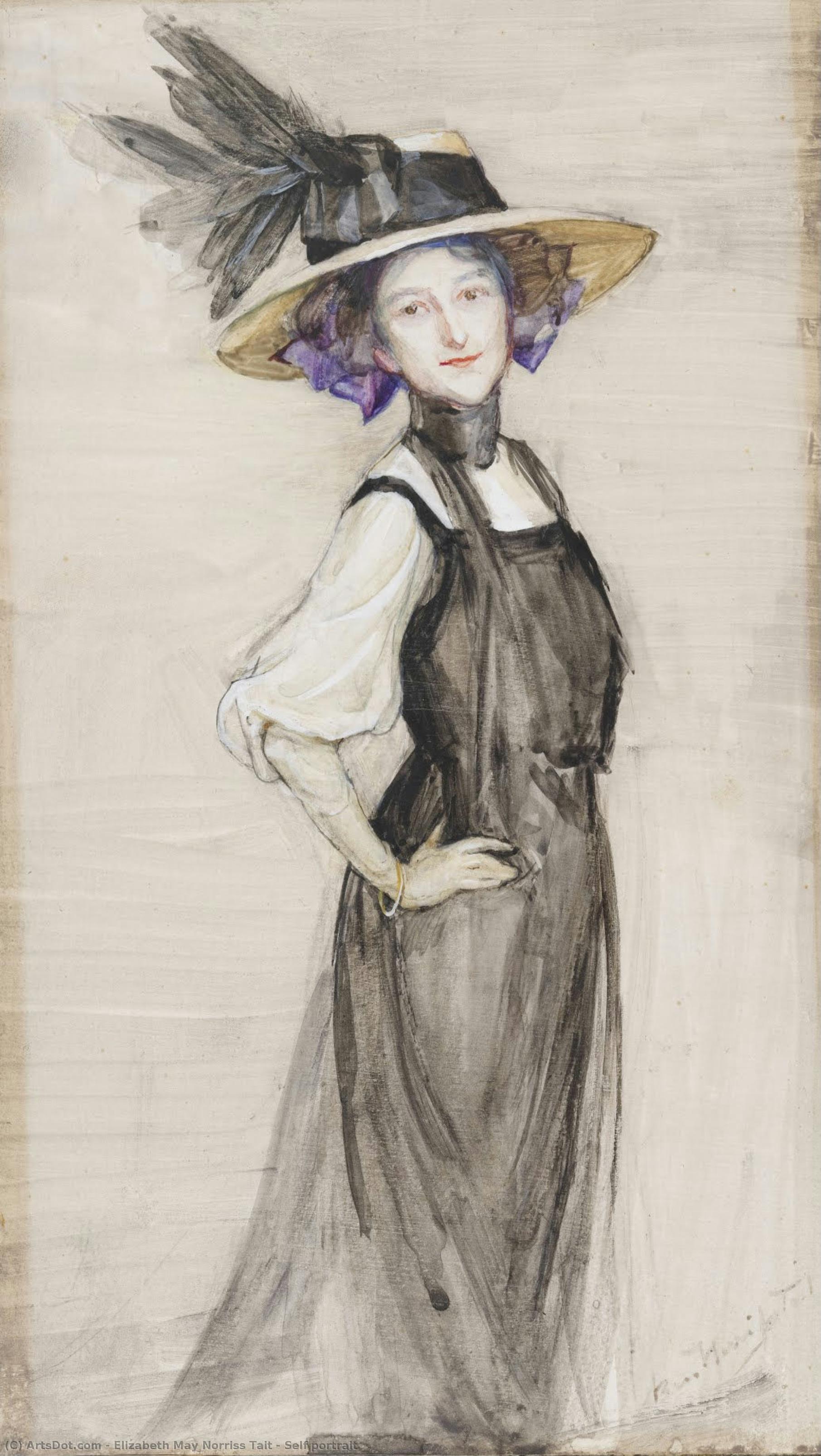
Self portrait
 1909
1909 15.0 x 29.0 cm
 National Portrait Gallery
 Read More
Hand Made Oil Reproduction
Hand-painted oil on canvas in your size and frame, made to order by our artists. ( Buy Print Buy Image)




































Pick from our preset sizes that match the artwork's original proportions.

You may enter your own dimensions to fit a specific frame or space. If your selected size does not match the original image's proportions, we will either crop the artwork or extend the painting with additional hand-painted elements. A digital mockup will be sent for your approval before production begins.
Please note that the on-screen preview does not reflect the actual cropping or extension. Only the mockup will accurately show the final composition.
While custom sizes are available, we recommend selecting a dimension from the predefined list to preserve the original proportions.
After order, ArtsDot.com team will email client for instructions and provide a mockup preview
Worldwide Delivery () in 3/4 weeks instead of standard 5 weeks. (26 August). No compromise on quality.

Free Worldwide Express Shipping

High-Quality Linen Canvas

Full Shipping Insurance

Customs Tax Refund Guarantee

True Color Matching Guarantee

60-Day Return Policy (Defects Only)

100% Money-Back Guarantee

Bulk Discount Offer
 Glass option is only available in size under 110 CM

Self portrait
Reproduction Medium
Reproduction Size
-


Total Price
$ 263
Artwork Description
Related Artworks




Artist Biography
Early Life and Influences – A Western Dream Takes Root
William Gollings, born in the rugged Territory of Idaho in 1878, was shaped by the very landscape he would later immortalize on canvas. His early years were spent amidst the boom-and-bust realities of Pierce City, a rough mining camp that instilled within him a deep appreciation for the untamed West and its enduring spirit. His parents, recognizing the limitations of an education solely provided in such a remote location, sent him to live with his aunt in Michigan, a move that ironically exposed him to more formal artistic training. This initial exposure led to enrollment at the Academy of Fine Arts in Chicago, where he honed his foundational skills before embarking on a transformative journey westward. The influence of Frederic Remington, a figure Gollings deeply admired, proved particularly potent – both artists shared a yearning for the forgotten West and a desire to authentically capture its essence. Remington’s romanticized depictions of cowboys and Native Americans served as a powerful starting point, but Gollings sought to move beyond mere imitation, striving instead for a more nuanced and emotionally resonant portrayal of the frontier experience. The stark beauty of the American West, coupled with the allure of a bygone era, became the driving force behind his artistic vision.A Life on the Range – Authenticity Through Labor
Leaving Chicago in 1909, Gollings sought to immerse himself fully within the world he depicted. He traveled alone by horse across South Dakota, taking on various odd jobs—branding cattle, driving stagecoaches, and even attempting gold panning—to earn his living and experience firsthand the realities of frontier life. This period of self-imposed exile proved crucial to his artistic development. It wasn’t simply a matter of observation; Gollings actively participated in the rhythms of the West, absorbing its sights, sounds, and smells. He sought not just to *see* the West, but to *live* it, believing that true authenticity could only be achieved through direct engagement with its people and environment. This commitment to experiential learning profoundly shaped his artistic style, imbuing his paintings with a palpable sense of immediacy and ruggedness. The hardships he endured – the relentless sun, the physical labor, the isolation—became integral elements of his artistic expression.Developing Style and Connections – Mentorship and Artistic Growth
Returning to Chicago in 1906, Gollings found himself surrounded by fellow artists who shared his passion for the West. He benefited immensely from the guidance of J.H. Sharp, a prominent figure in the American art scene, who recognized Gollings’ potential and encouraged him to refine his technique. Sharp's influence was particularly significant, helping Gollings develop a more sophisticated approach to composition, color, and brushwork. Beyond Sharp, Gollings cultivated relationships with other notable Western artists of the era, including Edward Borein, W.H.D. Koerner, Charles M. Russell, Will James, and Joe D. Young. These encounters provided invaluable insights into different artistic perspectives and further fueled his creative exploration. The exchange of ideas and techniques fostered a vibrant artistic community that profoundly impacted Gollings’ artistic trajectory.Major Works and Legacy – A Painter of the American West
Gollings' oeuvre is characterized by its evocative depictions of cowboys, Native Americans, landscapes, and wildlife—all rendered with remarkable detail and emotional depth. His paintings often capture fleeting moments of interaction between humans and nature, conveying a sense of both beauty and melancholy. Notable works include “The Last Roundup,” depicting a weary cowboy overseeing the final branding session of the season; "Indian Camp," a poignant scene of Native Americans gathered around a campfire; and numerous studies of wildlife, showcasing his keen observational skills. While he never achieved the widespread fame of Remington or Russell, Gollings’ work is highly regarded for its authenticity, emotional resonance, and masterful execution. His paintings offer a unique window into the American West—a time of both hardship and opportunity, of frontier spirit and enduring beauty. William Gollings died in 1932 at the age of 54 in Sheridan Wyoming, leaving behind a legacy as one of the most compelling chroniclers of the American West.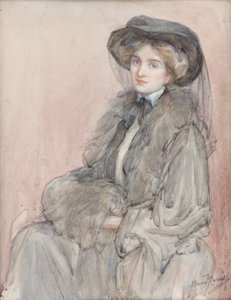
elizabeth may norriss tait
1878 - 1939 , Australia
Quick Facts
- Artistic Movement Or Style: Western art
- Artists Or Movements Influenced By This Artist: ['J.H. Sharp']
- Artists Who Influenced This Artist: ['Frederic Remington']
- Date Of Birth: 1878
- Date Of Death: 1932
- Full Name: William Gollings
- Nationality: American
- Notable Artworks:
- Sea View by Moonlight
- Haymaking
- Lakeside Dwelling
- Place Of Birth: Idaho Territory, USA