 Preview
 Send
Send Share
Share
 Details

 Download
 Similars
 X-Ray
X-Ray Diaporama
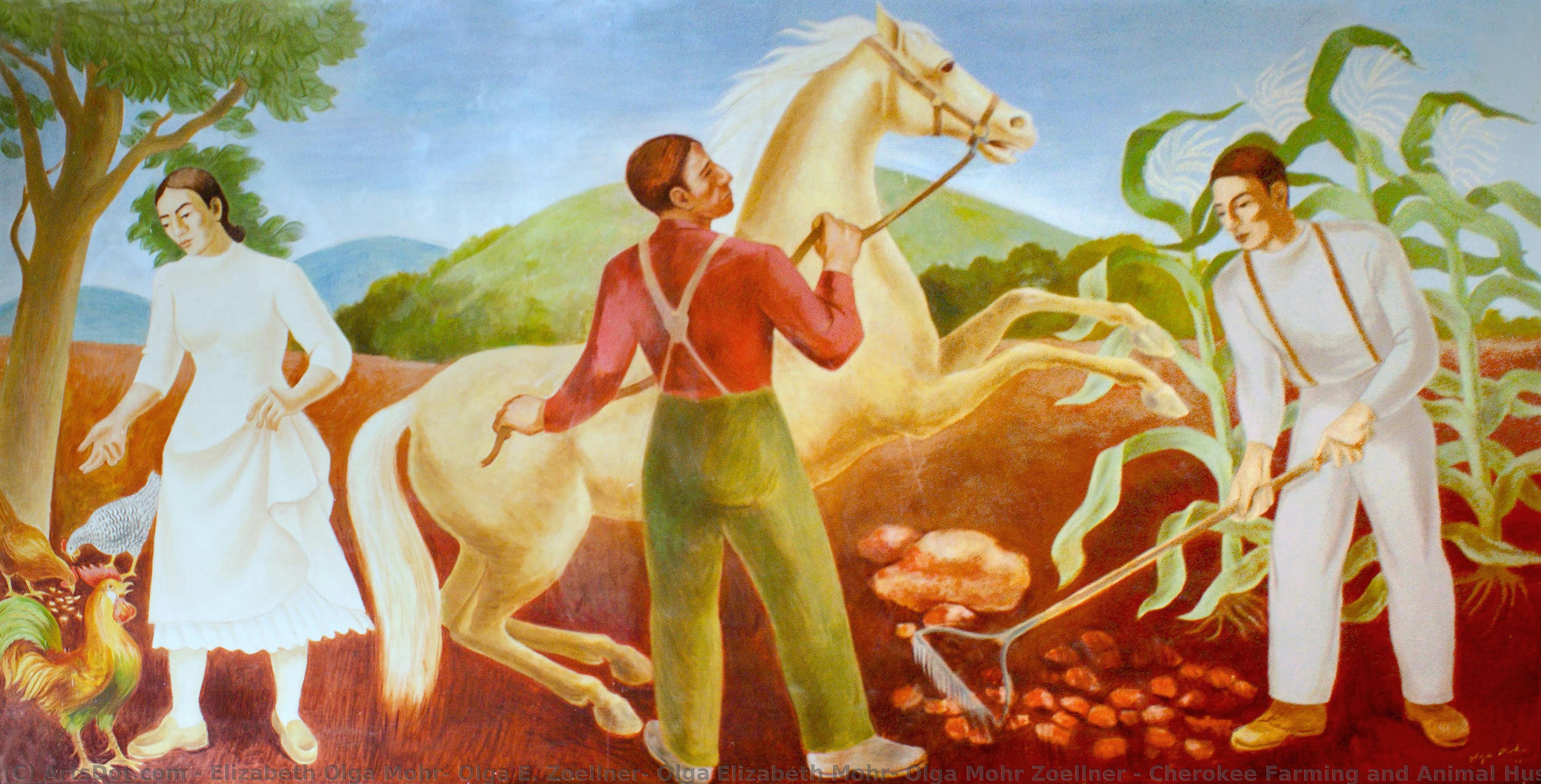
Cherokee Farming and Animal Husbandry


 Read More
Giclée / Art Print
Museum-quality giclée or canvas print with fast production and flexible finish options. ( Buy Hand Made Painting Buy Image)




P118B $10

P118H $10

P118W $10

P438Z $10

P508JH $12

P508YH $12

P805H $10

P805Z $10

P919BZ $10

P919G $10

P919XJ $10

P959ZH $10

P968JZ $12

W106C $8

W218G $10

W218JH $8

W218Y $10

W307PJ $10

W316G $10

W316PJ $8

W316Y $10

W398PJ $8

W4111J $10

W500HY $15

W500JH $15

W692G $12

W849H $8

W940BG $15

W953PJ $8




Pick from our preset sizes that match the artwork's original proportions.

You may enter your own dimensions to fit a specific frame or space. If your selected size does not match the original image's proportions, we will either crop the artwork or extend the image with a mirrored or solid-fill edge. A digital mockup will be sent for your approval before production begins.
Please note that the on-screen preview does not reflect the actual cropping or extension. Only the mockup will accurately show the final composition.
While custom sizes are available, we recommend selecting a dimension from the predefined list to preserve the original proportions.
Worldwide Delivery () in 2 weeks instead of standard 4/5 weeks. (23 August)

Free Worldwide Express Shipping

High-Quality Linen Canvas

Full Shipping Insurance

Customs Tax Refund Guarantee

True Color Matching Guarantee

60-Day Return Policy (Defects Only)

100% Money-Back Guarantee

Bulk Discount Offer
 Glass option is only available in size under 110 CM

Cherokee Farming and Animal Husbandry
Giclée / Art Print
Reproduction Size
-


Total Price
$ 63
Collectible Description
A Living Tapestry of Cherokee Resilience
In the quiet corners of the Stilwell post office, there exists a window into a world defined not by myth, but by the rhythmic pulse of labor and land. Elizabeth Olga Mohr’s 1942 mural, Cherokee Farming and Animal Husbandry, stands as a profound departure from the romanticized, often tragic depictions of Indigenous life that dominated early twentieth-century American art. Rather than retreating into the "vanishing Indian" trope or dressing her subjects in the theatrical regalia of a bygone era, Mohr presents a scene of vibrant, contemporary vitality. The mural captures the Oklahoma Cherokee not as relics of history, but as active participants in the enduring cycle of agriculture and stewardship. Through her brush, we witness the dignity of the everyday: the focused tending of crops, the careful management of livestock, and the communal strength required to cultivate life from the earth.
The composition is a masterclass in narrative movement, drawing the eye through a landscape teeming with purposeful activity. Horses, powerful and graceful, anchor the scene, their presence suggesting both the utility of animal husbandry and a deep-seated connection to the natural world. A watchful dog moves among the figures, adding a layer of domestic intimacy to the broader agricultural endeavor. Mohr’s technique avoids the stiff formality of traditional portraiture, opting instead for a style that resonates with the muscularity of American Regionalism. There is a palpable sense of weight and texture in the way the figures interact with their environment; one can almost feel the grit of the soil and the warmth of the sun upon the fields. The colors are chosen with a keen eye for naturalism, using earthy tones and vibrant accents to breathe life into the pastoral setting.
A Legacy of Authenticity and Modernity
To understand the brilliance of this work, one must look at the historical intersection of the Federal Art Project and Mohr’s unique perspective. As a recipient of WPA-era commissions, Mohr was tasked with creating art that spoke to the American experience, yet she navigated this responsibility with an extraordinary level of nuance. By stripping away the stereotypical cultural identifiers often imposed by outsiders, she allowed the true essence of Cherokee life—the work, the family, and the land—to emerge unadorned. This approach aligns her more closely with the self-representation seen in the works of Native American artists like Acee Blue Eagle, prioritizing a truthful depiction of genre scenes over historical melodrama.
For the discerning collector or interior designer, Cherokee Farming and Animal Husbandry offers much more than mere decoration; it provides a profound emotional anchor. A high-quality reproduction of this mural brings into a contemporary space a sense of groundedness and historical depth. The painting’s ability to evoke themes of community, perseverance, and the sacred bond between humans and nature makes it a versatile centerpiece for any curated collection. It serves as a sophisticated conversation piece that honors the complexity of American identity, inviting viewers to contemplate a legacy of strength that remains as relevant today as it was when Mohr first laid her pigments upon the wall in 1942.
Related Artworks
Artist Biography
Elizabeth Olga Mohr: A Pioneer of American Art
- Born: Little Rock, United States of America (1905)
- Died: 1955
Elizabeth Olga Mohr, also known as Olga E. Zoellner, Olga Elizabeth Mohr, and Olga Mohr Zoellner, was a significant American artist working across various mediums including painting, ceramics, and weaving. Her career spanned the early to mid-20th century, marked by her involvement in New Deal programs like the Works Progress Administration (WPA) and her unique approach to depicting Native American subjects.
Early Life and Education
Born on July 20, 1905, in Little Rock, Arkansas, Mohr spent her formative years in Oklahoma City. Her father was a draper at a furniture store. She received her artistic training at the Art Academy of Cincinnati, Ohio, where she honed her skills and developed an interest in modern art movements. It was also during this time that she met and married fellow artist Richard C. Zoellner.
WPA Muralist and Federal Arts Projects
Mohr’s career gained prominence through her involvement with the WPA's Section of Fine Arts. She created a notable mural, "Cherokee Farming and Animal Husbandry," for the Stilwell, Oklahoma post office. This work is particularly significant as it avoids stereotypical depictions of Native Americans, portraying everyday life within the Cherokee community in a respectful and nuanced manner. She was also responsible for the Federal Art Project for the Cincinnati public schools, demonstrating her commitment to arts education.
- "Cherokee Farming and Animal Husbandry": This mural, housed at the Smithsonian's National Postal Museum, is considered unique among WPA murals depicting Native Americans due to its avoidance of stereotypes.
- Cincinnati Public Schools Project: Her work with the Federal Art Project for Cincinnati schools highlights her dedication to arts education and community engagement.
Artistic Style and Influences
Mohr’s artistic style reflected a blend of influences, including Regionalism—evident in her depiction of Oklahoma landscapes and everyday scenes—and modern art trends she encountered during her studies. While influenced by contemporary movements, her work retained a distinct regional character, particularly evident in the Stilwell mural. Her approach to depicting Native American subjects was groundbreaking for its sensitivity and avoidance of common tropes.
Legacy and Recognition
Although Mohr’s career was cut short by her death on April 10, 1955, in Tuscaloosa, Alabama, her legacy continues to be recognized. Exhibitions at institutions like the T.W. Wood Gallery and Art Museum and the Paine Art Center and Arboretum have showcased her work and explored her contributions to American art. Her "Cherokee Farming and Animal Husbandry" mural remains a testament to her artistic skill and commitment to portraying diverse cultural experiences with dignity and respect.
- Exhibitions: Her works are featured in exhibitions at museums like the T.W. Wood Gallery and Art Museum and the Paine Art Center and Arboretum.
- Unique Depiction of Native Americans: Mohr's avoidance of stereotypes in her portrayal of Cherokee life sets her apart from many other artists of her time.
Elizabeth Olga Mohr
1905 - 1955 , United States of America
Quick Facts
- Artistic Movement Or Style: Regionalism
- Date Of Birth: July 20, 1905
- Date Of Death: April 10, 1955
- Full Name: Elizabeth Olga Mohr
- Nationality: American
- Notable Artworks: ['Cherokee Farming and Animal Husbandry']
- Place Of Birth: Little Rock, United States
Related Articles

Elevating Interiors: How Murals are Redefining Kitchens and Bathrooms
Transform your kitchen & bathroom with stunning murals! Explore design trends, durable materials & expert advice. Elevate your interiors with 's bespoke mural solutions.
Animalia: Exploring the Enduring Presence of Animals in Art & Interior Design
Explore the rich history of animal symbolism in art, from ancient mythology to modern masterpieces. Discover how animals have inspired artists for centuries and learn how to incorporate these powerful motifs into your home décor.
From Jungle Scenes to Gold Leaf Geometry: A Guide to Today's Most Requested Mural Styles
Explore today's top mural styles for hotels & commercial spaces! Discover trends, expert insights, & custom design solutions. Elevate your space with .
Anchoring Interior Design with Murals: A Comprehensive Guide for Hotel Designers
Elevate your hotel's design with impactful murals! Our expert guide explores anchoring interior spaces, thematic storytelling & durable solutions for luxury hospitality. Discover bespoke art options & elevate the guest experience.
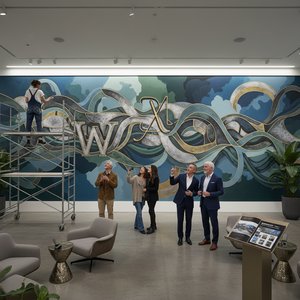
Transforming Spaces: How Custom Murals Forge Brand Identity & Enhance Customer Experience
Elevate your brand & spaces with custom murals. Explore expert insights on design, artists, materials & installation. Transform environments – discover 's bespoke solutions.