 Preview
 Send
Send Share
Share
 Details

 Download
 Similars
 X-Ray
X-Ray Diaporama
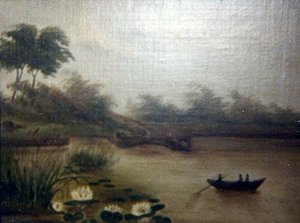
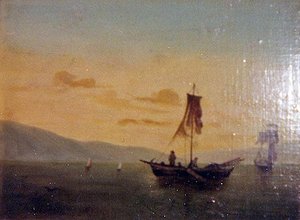
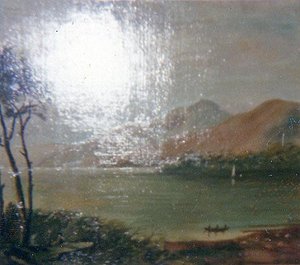
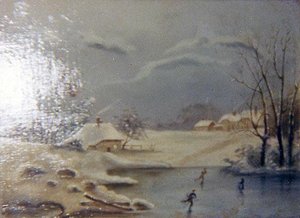
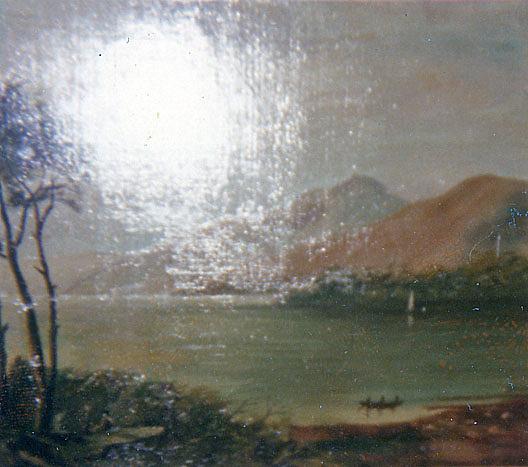
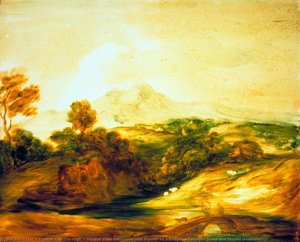
Two Persons Under Tree and Three in Boat on Water, (painting)

 Read More
Giclée / Art Print
Museum-quality giclée or canvas print with fast production and flexible finish options. ( Buy Hand Made Painting Buy Image)




































Pick from our preset sizes that match the artwork's original proportions.

You may enter your own dimensions to fit a specific frame or space. If your selected size does not match the original image's proportions, we will either crop the artwork or extend the image with a mirrored or solid-fill edge. A digital mockup will be sent for your approval before production begins.
Please note that the on-screen preview does not reflect the actual cropping or extension. Only the mockup will accurately show the final composition.
While custom sizes are available, we recommend selecting a dimension from the predefined list to preserve the original proportions.
Worldwide Delivery () in 2 weeks instead of standard 4/5 weeks. (23 August)

Free Worldwide Express Shipping

High-Quality Linen Canvas

Full Shipping Insurance

Customs Tax Refund Guarantee

True Color Matching Guarantee

60-Day Return Policy (Defects Only)

100% Money-Back Guarantee

Bulk Discount Offer
 Glass option is only available in size under 110 CM

Two Persons Under Tree and Three in Boat on Water, (painting)
Giclée / Art Print
Reproduction Size
-


Total Price
$ 63
Related Artworks








Artist Biography
William Keith: A Visionary of the California Landscape
Born in Oldmeldrum, Aberdeenshire, Scotland, on November 18, 1838, William Keith’s artistic journey took him across continents and ultimately established him as a significant figure in late 19th-century American art. His early life, marked by the loss of his father at birth and raised primarily by grandparents, instilled within him a deep appreciation for nature – a theme that would dominate much of his oeuvre. Unlike many artists of his era who received formal training through structured academies, Keith’s artistic development was largely self-directed, a characteristic that profoundly shaped his unique style and approach to landscape painting.
Keith's initial exposure to the art world came through apprenticeships in engraving, a skill he honed in New York City before embarking on a series of European sojourns. These trips – primarily to Dusseldorf and later to England – provided crucial experiences, exposing him to different artistic traditions and techniques. However, it was his time in California, beginning in 1859, that truly ignited his creative spirit. The dramatic landscapes of the Sierra Nevada mountains, with their towering granite peaks, vast forests, and shimmering lakes, offered an unparalleled subject matter for his evolving style.
- Early Influences: Keith’s artistic development was influenced by a confluence of factors – his Scottish heritage, his European travels, and the burgeoning American art scene. He drew inspiration from the Tonalist movement, characterized by its emphasis on subtle tonal gradations and atmospheric effects, as well as elements of the American Barbizon school, which prioritized direct observation of nature.
- Tonalism & Atmospheric Perspective: Keith’s paintings are distinguished by their masterful use of light and shadow, creating a sense of depth and atmosphere that is both evocative and profoundly moving. He skillfully employed tonal variations to convey the mood and character of each landscape, often capturing the ethereal quality of twilight or dawn.
- Subject Matter: While he painted a diverse range of California scenes – including Yosemite Valley, Lake Tahoe, and the foothills of the Sierra Nevada – Keith’s most celebrated works depict the rugged beauty of the High Sierra. His paintings are not merely representations of these landscapes; they are imbued with a sense of quiet contemplation and spiritual resonance.
The Artist's Studio and Social Connections
Despite his international travels, William Keith ultimately established himself as a key figure in the New Orleans art community. He spent several summers at Arden Park Lodge, a retreat owned by Charles Beale, where he found both artistic inspiration and a supportive environment. This period marked a significant shift in his work, with an increased focus on depicting the landscapes of North Carolina and the people who inhabited them – particularly African American laborers engaged in tobacco farming.
Keith’s social life was equally vibrant. He cultivated friendships with prominent artists and intellectuals, including Everett B. D. Fabino Julio, with whom he attempted to form an art league. This endeavor, though ultimately unsuccessful, fostered a spirit of collaboration and artistic exchange within the New Orleans art scene. His engagement with the local community extended beyond his artistic pursuits; he was known for his storytelling abilities, musical talents (playing both the violin and piano), and even his poetry.
- Arden Park Lodge: Keith’s time at Arden Park Lodge provided him with a crucial platform to exhibit and sell his work, establishing him as a recognized artist within the region.
- Charles Beale's Patronage: Charles Beale’s support was instrumental in allowing Keith to pursue his artistic endeavors, providing him with access to materials, exhibition opportunities, and a stable income.
- Social Circle: His friendships with artists and intellectuals contributed to a rich intellectual and artistic environment within New Orleans.
Technique and Style
Keith’s painting technique was characterized by its meticulous attention to detail and its subtle, nuanced approach to color. He often employed a camera as an aid in capturing the precise details of his subjects, though he always prioritized artistic expression over photographic accuracy. His brushwork was generally loose and expressive, allowing for a sense of spontaneity and immediacy. Unlike some of his contemporaries who favored bold, vibrant colors, Keith tended towards muted tones, creating a harmonious and atmospheric effect.
His style can be described as Tonalist, emphasizing the subtle gradations of light and shadow to create mood and atmosphere. However, he also incorporated elements of Impressionism, particularly in his use of color and his focus on capturing fleeting moments of light. Keith’s paintings are not simply depictions of landscapes; they are meditations on nature, imbued with a sense of quiet contemplation and spiritual resonance.
Legacy and Historical Significance
William Keith's work represents a significant contribution to the development of American landscape painting in the late 19th century. His evocative portrayals of California’s High Sierra landscapes captured the spirit of the West, while his depictions of African American laborers offered a poignant glimpse into the lives of those who shaped the region’s economy and culture. Although he often worked outside the mainstream art world, Keith's paintings are now recognized for their beauty, subtlety, and emotional depth.
Keith died in April 13, 1911, leaving behind a legacy of over 500 paintings that continue to captivate viewers with their quiet power and profound sense of place. His work is held in numerous public and private collections throughout the United States and Europe, ensuring that his vision of the California landscape will endure for generations to come.
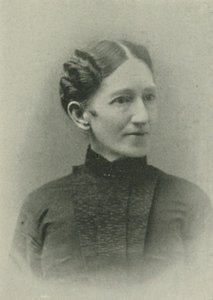
elizabeth otis marshall dannelly
1838 - 1896
Quick Facts
- Artistic Movement Or Style: Tonalism, American Barbizon school
- Artists Or Movements Influenced By This Artist:
- Tonalism
- American Barbizon school
- Artists Who Influenced This Artist: ['Samuel Marsden Brookes']
- Date Of Birth: November 18, 1838
- Date Of Death: April 13, 1911
- Full Name: William Keith
- Nationality: Scottish-American
- Notable Artworks:
- Cotton Plantation on the Mississippi
- The Levee, New Orleans
- Place Of Birth: Oldmeldrum, Scotland