 Preview
 Send
Send Share
Share
 Details

 Download
 Similars
 X-Ray
X-Ray Diaporama
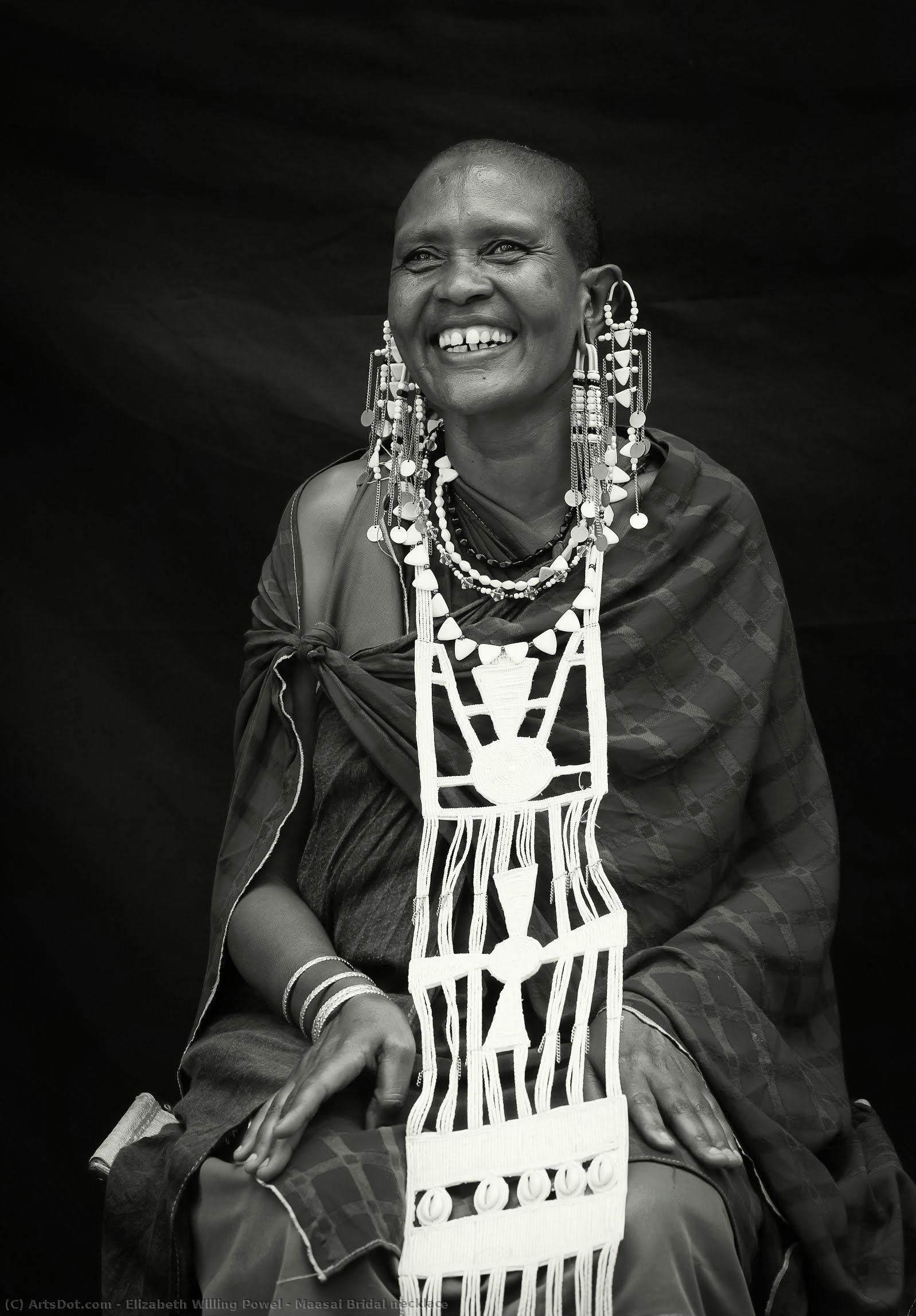
Maasai Bridal necklace


 Read More
Giclée / Art Print
Museum-quality giclée or canvas print with fast production and flexible finish options. ( Buy Hand Made Painting Buy Image)




































Pick from our preset sizes that match the artwork's original proportions.

You may enter your own dimensions to fit a specific frame or space. If your selected size does not match the original image's proportions, we will either crop the artwork or extend the image with a mirrored or solid-fill edge. A digital mockup will be sent for your approval before production begins.
Please note that the on-screen preview does not reflect the actual cropping or extension. Only the mockup will accurately show the final composition.
While custom sizes are available, we recommend selecting a dimension from the predefined list to preserve the original proportions.
Worldwide Delivery () in 2 weeks instead of standard 4/5 weeks. (22 August)

Free Worldwide Express Shipping

High-Quality Linen Canvas

Full Shipping Insurance

Customs Tax Refund Guarantee

True Color Matching Guarantee

60-Day Return Policy (Defects Only)

100% Money-Back Guarantee

Bulk Discount Offer
 Glass option is only available in size under 110 CM

Maasai Bridal necklace
Giclée / Art Print
Reproduction Size
-


Total Price
$ 63
Collectible Description
Related Artworks









Artist Biography
Elizabeth Willing Powel: A Philadelphia Patroness and Pioneer of Feminist Thought
Elizabeth Willing Powel (1743-1830) stands as a remarkable figure in the annals of American history—not merely for her social standing within Philadelphia’s elite, but for her unwavering advocacy of women's rights and education during a pivotal era. Born into a wealthy merchant family on February 21st, 1743, Elizabeth’s life unfolded against the backdrop of colonial America’s burgeoning independence movement, shaping her legacy as one of its most influential voices.- Early Life & Family: Elizabeth descended from prominent Quaker families known for their mercantile success. Her father, Charles Willing, served as mayor twice, demonstrating his family's influence in civic affairs. She had five elder siblings and five younger ones, fostering a familial environment that prioritized education and intellectual pursuits. Notably, her brother Thomas would later become Philadelphia’s mayor—a testament to the Willing family’s commitment to leadership and social responsibility.
- Marriage & Domestic Life: Elizabeth married Samuel Powel in 1769, uniting two of Philadelphia's wealthiest families. Their union solidified their position within society and provided Samuel with considerable resources for business ventures. Together they raised a nephew, John Hare Powel, establishing a home on Chestnut Street near Independence Hall—a location that would become synonymous with the intellectual ferment of the time.
The Salonnière & Intellectual Engagement
Elizabeth Willing Powel’s true significance resided in her role as a salonnière – a hostess who cultivated gatherings frequented by prominent thinkers and politicians. Her home became a crucible for debate concerning matters of state, philosophy, and the burgeoning movement for women's emancipation. Unlike many women of her era confined to domestic roles, Elizabeth actively participated in public discourse, challenging conventional notions of femininity and advocating for greater access to education—a stance that foreshadowed the feminist ideals of later generations. Her correspondence with luminaries like George Washington and Benjamin Franklin exemplifies this engagement, demonstrating her ability to persuade influential figures on matters of importance.- Correspondence & Influence: Elizabeth’s letters reveal a keen intellect and a desire for reasoned discussion. Perhaps most famously, she posed a provocative question to Franklin— “What have we got, a republic or a monarchy?”—a query that encapsulated the anxieties surrounding the Constitution's ratification process and underscored her commitment to republican principles.
- The Powel House & Intellectual Hub: The Powel House served as a focal point for Philadelphia’s intellectual life during the Republican Court era. It hosted gatherings attended by writers, artists, and statesmen—creating an environment conducive to fostering new ideas and challenging established orthodoxies.
Artistic Patronage & Ethnographic Studies
Elizabeth Willing Powel wasn't simply a social figure; she was also an artistically inclined woman who actively supported the arts and championed cultural understanding. Her fascination with ethnographic studies—particularly her interest in Maasai culture—manifested in her commissioning of artwork depicting scenes from Africa, reflecting a broader humanist impulse prevalent during the Enlightenment. She recognized the importance of documenting diverse cultures and promoting empathy across geographical boundaries. The resulting paintings offer valuable insights into the artistic tastes and intellectual curiosity of her time.- Maasai Art Collection: Powel’s dedication to Maasai culture resulted in a significant art collection—a testament to her appreciation for visual representation and cultural diversity.
- Symbolism & Representation: Her choice of subjects and artistic style speaks volumes about the values she held dear—values rooted in reason, observation, and an openness to unfamiliar perspectives.
Legacy & Historical Significance
Elizabeth Willing Powel’s influence extended far beyond her immediate social circle. She served as a catalyst for intellectual debate and championed the cause of women's rights—laying groundwork for future generations of feminists. Her unwavering conviction in republican ideals, embodied in her memorable exchange with Franklin, continues to resonate today. Furthermore, the Powel House itself stands as a tangible reminder of Philadelphia’s vibrant cultural landscape during the founding era—a museum dedicated to preserving its architectural heritage and showcasing its artistic treasures. Elizabeth Willing Powel remains an enduring symbol of intellectual curiosity, social activism, and the pursuit of knowledge—a woman who dared to challenge convention and shape the course of American history.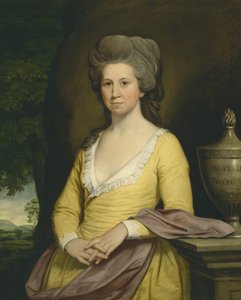
elizabeth willing powel
1743 - 1830 , United States of America
Quick Facts
- Artistic Movement Or Style: Portraiture
- Artists Or Movements Influenced By This Artist: ['Republican Court']
- Artists Who Influenced This Artist:
- George Washington
- Benjamin Franklin
- Date Of Birth: February 21, 1743
- Date Of Death: January 17, 1830
- Full Name: Elizabeth Willing Powel
- Nationality: American
- Notable Artworks:
- Maasai Bridal necklace
- White, a favourite of Tanzanian Maasai
- Place Of Birth: Philadelphia, United States