 Preview
 Send
Send Share
Share
 Details

 Download
 Similars
 X-Ray
X-Ray Diaporama
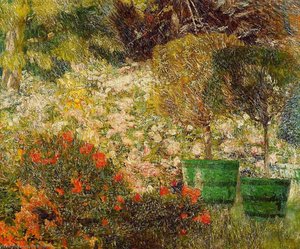
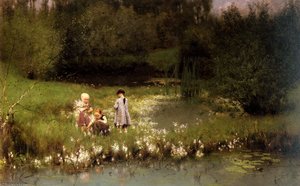
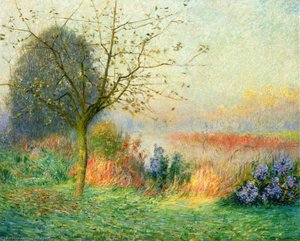
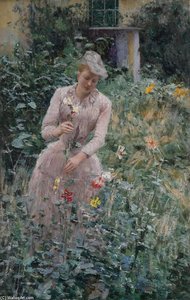
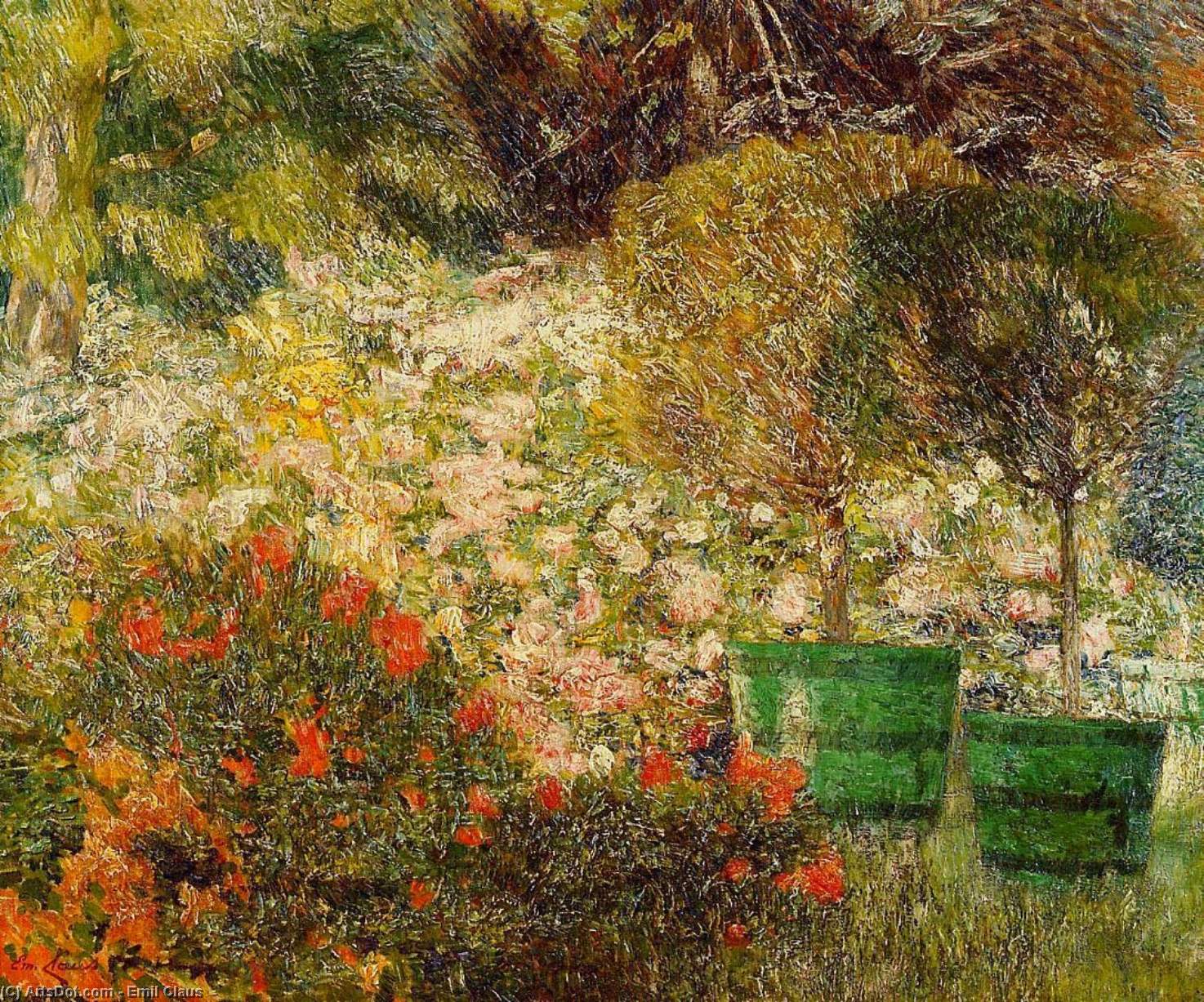
A Corner of My Garden


 Read More
Hand Made Oil Reproduction
Hand-painted oil on canvas in your size and frame, made to order by our artists. ( Buy Print Buy Image)




P118B $10

P118H $10

P118W $10

P438Z $10

P508JH $12

P508YH $12

P805H $10

P805Z $10

P919BZ $10

P919G $10

P919XJ $10

P959ZH $10

P968JZ $12

W106C $8

W218G $10

W218JH $8

W218Y $10

W307PJ $10

W316G $10

W316PJ $8

W316Y $10

W398PJ $8

W4111J $10

W500HY $15

W500JH $15

W692G $12

W849H $8

W940BG $15

W953PJ $8




Pick from our preset sizes that match the artwork's original proportions.

You may enter your own dimensions to fit a specific frame or space. If your selected size does not match the original image's proportions, we will either crop the artwork or extend the painting with additional hand-painted elements. A digital mockup will be sent for your approval before production begins.
Please note that the on-screen preview does not reflect the actual cropping or extension. Only the mockup will accurately show the final composition.
While custom sizes are available, we recommend selecting a dimension from the predefined list to preserve the original proportions.
After order, ArtsDot.com team will email client for instructions and provide a mockup preview
Worldwide Delivery () in 3/4 weeks instead of standard 5 weeks. (16 August). No compromise on quality.

Free Worldwide Express Shipping

High-Quality Linen Canvas

Full Shipping Insurance

Customs Tax Refund Guarantee

True Color Matching Guarantee

60-Day Return Policy (Defects Only)

100% Money-Back Guarantee

Bulk Discount Offer
 Glass option is only available in size under 110 CM

A Corner of My Garden
Reproduction Medium
Reproduction Size
-


Total Price
$ 263
Artwork Description
A Celebration of Flemish Light: Exploring Emile Claus’s “A Corner of My Garden”
The year is 1901. Sint-Eloois-Vijve, Belgium—a village steeped in maritime tradition and bathed in the ethereal glow of the Lys River—serves as the backdrop for Emile Claus’s masterpiece, “A Corner of My Garden.” More than just a depiction of flora, this painting embodies a profound philosophical meditation on beauty, memory, and the enduring power of observation. Claus, born in 1849 amidst a sprawling family legacy, initially pursued a pragmatic path—a stark contrast to the artistic fervor that would ultimately define his life’s work. Yet, from childhood, he possessed an innate fascination with drawing, fueled by weekly excursions to Waregem for art lessons, establishing a formative connection with artistic expression.Style and Technique: Impressionistic Reverie
Claus’s stylistic approach firmly resides within the Impressionist movement, albeit tempered by his own distinctive sensibilities. Rejecting academic conventions—the meticulous rendering of form and detail favored by earlier generations—he embraced a looser brushstroke technique, prioritizing capturing fleeting moments of light and color. Thick impasto—a textural layering of paint—dominates the canvas, particularly evident in the vibrant reds of the central flowerbeds. This deliberate manipulation of pigment isn’t merely decorative; it serves to convey an emotional resonance that transcends mere visual representation. Claus skillfully employs complementary colors—greens juxtaposed against reds—to heighten visual impact and create a sense of dynamism within the tranquil garden scene.Historical Context: The Dawn of Modern Flemish Painting
“A Corner of My Garden” emerged during a pivotal period in Belgian art history, marking the burgeoning influence of Impressionism on the Flemish landscape. Prior to Claus’s artistic breakthrough, Belgian painting largely adhered to Romantic ideals—grand narratives and dramatic compositions reflecting heroic themes. However, Claus championed a more contemplative aesthetic, mirroring the broader cultural shift toward valuing subjective experience and capturing the nuances of everyday life. His work aligns with the broader European trend towards Impressionism, responding to the burgeoning fascination with scientific discoveries concerning light and color—particularly Claude Monet’s groundbreaking experiments in plein air painting.Symbolism Within Bloom: The Language of Color
Beyond its stylistic merits, “A Corner of My Garden” is laden with symbolic significance. The dominant red hues—representing passion, vitality, and perhaps even remembrance—are strategically positioned to draw the viewer’s eye and evoke feelings of warmth and exuberance. The carefully arranged flowers aren't merely aesthetically pleasing; they symbolize fertility, renewal, and the cyclical nature of life itself. Furthermore, the inclusion of benches invites contemplation—a deliberate gesture encouraging viewers to pause and appreciate the beauty of their surroundings. Claus’s meticulous attention to detail—the subtle variations in petal texture and leaf shape—underscores his belief that art should strive for an honest portrayal of reality, capturing not just what is seen but also what is felt.Emotional Resonance: A Quiet Triumph
Ultimately, “A Corner of My Garden” succeeds in conveying a profound emotional depth. Despite its seemingly simple subject matter—a garden tableau—the painting exudes an aura of serenity and contemplative joy. Claus’s masterful manipulation of light and color creates an immersive experience for the viewer, transporting them to Sint-Eloois-Vijve and inviting them to share in the painter's appreciation for the beauty of nature. It stands as a testament to Claus’s unwavering commitment to capturing the essence of human experience—a quiet triumph that continues to inspire admiration and resonate with collectors seeking authentic expressions of artistic vision.Related Artworks
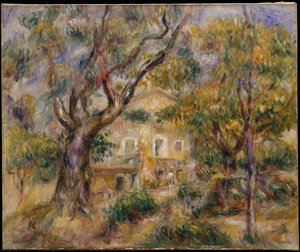
Artist Biography
Emile Claus: The Painter of Light and the Lys
Born in Sint-Eloois-Vijve, a small village nestled along the banks of the River Lys in West Flanders, Belgium, on September 27th, 1849, Emile Claus’s life was inextricably linked to the landscape that would become the very essence of his art. The twelfth child in a large family—his father, Alexander, a grocer and publican, and his mother, Célestine Verbauwhede, a woman of Brabant skipper lineage—Claus’s early years were marked by a practical upbringing, far removed from the world of artistic pursuits. However, even as a young boy, he demonstrated an undeniable passion for drawing, spending Sundays embarking on a three-kilometer journey to Waregem to attend lessons at the local academy. This nascent talent, nurtured with dedication, ultimately led him to break free from his family’s expectations and pursue his artistic calling.
Initially discouraged by his father's reservations about a career in art, Claus found an unexpected champion in the renowned composer Peter Benoit, a neighbor and acquaintance of the family. Benoit, recognizing the young man’s potential, skillfully persuaded Alexander to allow Emile to study at the Antwerp Academy of Fine Arts. This pivotal decision marked the beginning of Claus’s formal artistic training, where he honed his skills under the tutelage of landscape painters Jacob Jacobs and Nicaise De Keyser. It was during this period that he began to develop a distinctive style—a luminous, impressionistic approach deeply rooted in the beauty of the Flemish countryside.
Early Influences and Artistic Evolution
Claus’s early works were characterized by a realistic depiction of rural life, mirroring the daily routines of the Flemish peasantry. However, his artistic trajectory took a dramatic turn following his exposure to the Impressionist movement in Paris. Inspired by the vibrant colors and fleeting effects of light championed by Claude Monet, Claus began to experiment with new techniques, gradually shifting away from strict realism towards a more subjective and atmospheric style. This transition was further solidified through his association with other prominent intellectuals and artists of the time, including sculptor Auguste Rodin, writer Émile Zola, and Belgian novelists Cyriel Buysse, Emile Verhaeren, Pol de Mont, and Maurice Maeterlinck.
The move to *Zonneschijn* (“Sunshine”), a charming cottage near Deinze in 1883, proved to be a crucial turning point. The tranquil setting, with its expansive views of the River Lys, provided Claus with an ideal environment for developing his signature style—luminism. Luminism, as it evolved under Claus’s influence, was characterized by an intense focus on capturing the ephemeral qualities of light and atmosphere, often employing broken brushstrokes and a vibrant palette to evoke a sense of warmth and radiance. This approach distinguished Belgian luminism from its French counterpart, emphasizing the unique beauty of the Flemish landscape.
The Luminist Style and Key Works
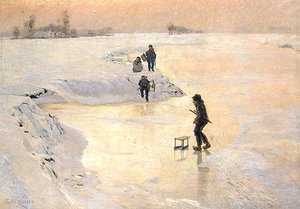
Claus’s artistic vision culminated in a series of iconic paintings that continue to captivate viewers today. *The Picnic* (1887), depicting a family enjoying a leisurely afternoon by the river, exemplifies his ability to capture both the idyllic beauty of the scene and the subtle nuances of light and color. Similarly, *The Beet Harvest* (1890) showcases his masterful use of broken brushstrokes and vibrant hues to convey the energy and drama of rural labor. His work *The Ice Birds* (1891), a poignant depiction of children playing on a frozen landscape, reveals a sensitivity to both the beauty and melancholy of winter.
Perhaps one of Claus’s most celebrated works is *Cows Crossing the Lys* (1899). Bathed in golden light and shimmering reflections, this painting embodies the essence of luminism—a celebration of the natural world rendered with exquisite detail and emotional depth. The painting's donation to the Museum of Deinze and the Lys Region, on the condition a museum would be built to house it, speaks volumes about its significance within the local community.
Legacy and Historical Significance
Emile Claus’s impact on Belgian art extends far beyond his individual achievements. He played a pivotal role in establishing luminism as a distinct artistic movement, fostering a vibrant community of artists who shared his passion for capturing the beauty of the Flemish landscape. His influence can be seen in the works of subsequent generations of Belgian painters, and his legacy continues to inspire artists today.
The First World War forced Claus into exile in London, where he continued to paint, producing a series of evocative studies of the River Thames under varying weather conditions. Returning to Astene after the war, he remained there until his death on June 14th, 1924, leaving behind a rich and enduring artistic legacy. Emile Claus’s paintings are not merely representations of landscapes; they are windows into a world of light, color, and emotion—a testament to the power of art to capture the beauty and essence of life.
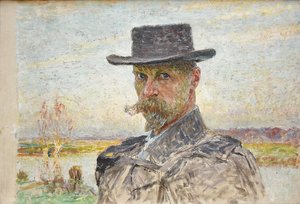
emil claus
1849 - 1924 , Belgium
Quick Facts
- Artistic Movement Or Style: Luminism, Impressionism
- Artists Or Movements Influenced By This Artist:
- Auguste Rodin
- Émile Zola
- Artists Who Influenced This Artist:
- Peter Benoit
- Claude Monet
- Date Of Birth: September 27, 1849
- Date Of Death: June 14, 1924
- Full Name: Emile Claus
- Nationality: Belgian
- Notable Artworks:
- Bringing in the Nets
- Cows in the Pasture
- The Picnic
- The Beet Harvest
- Ice Birds
- Place Of Birth: Sint-Eloois-Vijve, Belgium
Related Articles
Cultivating Paradise: A Historical & Artistic Exploration of Gardens in Painting
Explore the rich history of gardens in painting! Discover masterpieces from Renaissance to Impressionism & beyond. Learn about symbolism, artists like Monet & Klimt, and find your perfect artwork at ArtsDot.

Beyond the Horizon: 10 Landscape Masterpieces for Your Home Decor
Journey through 10 breathtaking landscape paintings by Monet, Van Gogh & more! Explore iconic artworks, artistic techniques & find inspiration for your home decor. Museum-quality reproductions at ArtsDot.com. Discover all masterpieces on ArtsDot.com

Evocations of Place: A Historical Journey Through Landscape Art
Explore the rich history of landscape art with ArtsDot. Discover renowned artists, movements like Impressionism & Romanticism, and expert guidance for collecting timeless pieces. Find your perfect serene escape today!

Evocations of Place: A Historical Journey Through Landscape Art
Explore the rich history of landscape art with ArtsDot. Discover renowned artists, movements like Impressionism & tonalism, and expert guidance for collecting timeless pieces. Find your perfect serene escape today!

Cézanne's Masterpieces: 25 Iconic Artworks to Transform Your Space
Journey through 25 iconic artworks by Paul Cézanne – a master of Impressionism and Post-Impressionism. Explore his landscapes, still lifes, and the stories behind these timeless masterpieces. Discover museum-quality reproductions & curated decor at ArtsDot.com.