 Preview
 Send
Send Share
Share
 Details

 Download
 Similars
 X-Ray
X-Ray Diaporama
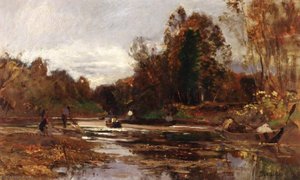
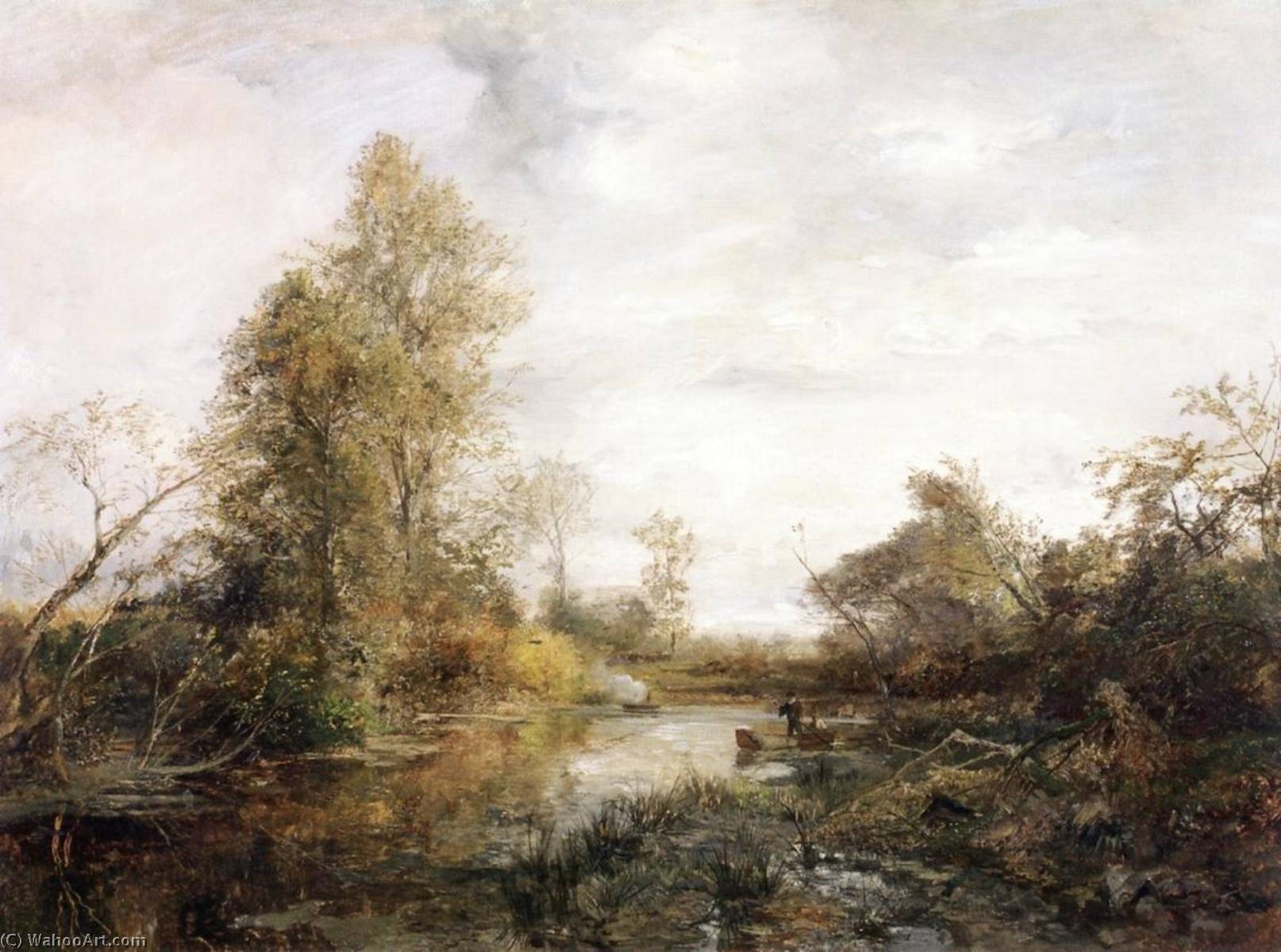
Duck Hunting in the Prater
 Oil On Canvas
- WallArt
- Dutch Landscape Impressionism
 1881
1881 74.0 x 100.0 cm
 Austrian Gallery Belvedere
 Read More
Hand Made Oil Reproduction
Hand-painted oil on canvas in your size and frame, made to order by our artists. ( Buy Print Buy Image)




P118B $10

P118H $10

P118W $10

P438Z $10

P508JH $12

P508YH $12

P805H $10

P805Z $10

P919BZ $10

P919G $10

P919XJ $10

P959ZH $10

P968JZ $12

W106C $8

W218G $10

W218JH $8

W218Y $10

W307PJ $10

W316G $10

W316PJ $8

W316Y $10

W398PJ $8

W4111J $10

W500HY $15

W500JH $15

W692G $12

W849H $8

W940BG $15

W953PJ $8




Pick from our preset sizes that match the artwork's original proportions.

You may enter your own dimensions to fit a specific frame or space. If your selected size does not match the original image's proportions, we will either crop the artwork or extend the painting with additional hand-painted elements. A digital mockup will be sent for your approval before production begins.
Please note that the on-screen preview does not reflect the actual cropping or extension. Only the mockup will accurately show the final composition.
While custom sizes are available, we recommend selecting a dimension from the predefined list to preserve the original proportions.
After order, ArtsDot.com team will email client for instructions and provide a mockup preview
Worldwide Delivery () in 3/4 weeks instead of standard 5 weeks. (22 August). No compromise on quality.

Free Worldwide Express Shipping

High-Quality Linen Canvas

Full Shipping Insurance

Customs Tax Refund Guarantee

True Color Matching Guarantee

60-Day Return Policy (Defects Only)

100% Money-Back Guarantee

Bulk Discount Offer
 Glass option is only available in size under 110 CM

Duck Hunting in the Prater
Reproduction Medium
Reproduction Size
-


Total Price
$ 263
Artwork Description
Duck Hunting in the Prater: A Symphony of Light and Observation
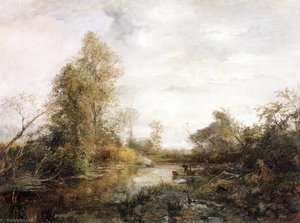
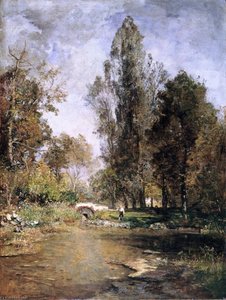
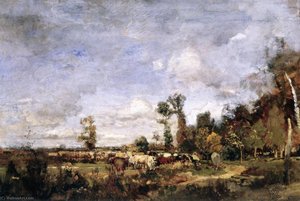
The Österreichische Galerie Belvedere in Vienna houses a remarkable oil on canvas painting by Emil Jacob Schindler – Duck Hunting in the Prater – a work that transcends mere depiction, achieving instead a profound meditation on nature’s beauty and human engagement with its rhythms. Created in 1881, this piece stands as a cornerstone of Austrian Impressionism, embodying Schindler's masterful command of technique and his unwavering dedication to capturing fleeting moments of visual experience. Measuring 74 x 100 cm, the canvas pulsates with color and texture, inviting viewers into a tranquil tableau that speaks volumes about its era.A Dutch Legacy Reflected in Viennese Landscape
Schindler’s artistic sensibilities were deeply rooted in the traditions of Dutch landscape painting. Like masters such as Meindert Hobbema and Jacob Izaaksoon van Ruisdael, Schindler meticulously studied atmospheric perspective – a technique pioneered by Rembrandt and perfected by his successors – prioritizing the subtle gradations of light and shadow to convey depth and realism. This influence is palpable in the painting’s muted palette dominated by greens, browns, and blues, mirroring the serene hues characteristic of Dutch landscapes of the seventeenth century. Schindler wasn't merely copying; he was absorbing and transforming these influences into his own distinctive visual language.Technique and Impressionistic Vision
Schindler’s brushstrokes are bold yet deliberate, eschewing the smooth surfaces favored by earlier academic painters. Instead, he employs a technique that prioritizes capturing the ephemeral qualities of light – a hallmark of Impressionism. Thick impasto creates textural richness, particularly evident in the depiction of tree trunks and foliage, allowing viewers to feel the very essence of the Prater’s autumnal splendor. The artist skillfully blends colors directly onto the canvas, layering hues to achieve luminous effects that illuminate the scene with an inner radiance. This approach underscores Schindler's belief that art should strive to represent not just what is seen but how it feels – a sentiment perfectly aligned with the philosophical currents of his time.Symbolism Within Tranquility: The Hunter and His Pursuit
Beyond its aesthetic merits, Duck Hunting in the Prater carries symbolic weight. The solitary hunter positioned on the riverbank represents humanity’s relationship with the natural world—a dynamic fraught with both respect and ambition. He is not portrayed as dominating nature but rather as actively observing it, attempting to harmonize his presence with its inherent beauty. The ducks themselves symbolize fecundity and renewal, mirroring the cyclical rhythms of life within the landscape. Schindler's careful composition reinforces this symbolism, creating a visual narrative that invites contemplation on themes of balance and observation.Emotional Resonance: A Moment Frozen in Time
Ultimately, Duck Hunting in the Prater succeeds in conveying an overwhelming sense of serenity—a feeling meticulously crafted by Schindler’s artistic vision. The painting captures not just the visual spectacle of autumn but also its emotional resonance. It evokes a nostalgic yearning for simpler times, reminding viewers of the profound beauty inherent in observing nature undisturbed. This enduring appeal is why reproductions of Schindler's masterpiece continue to inspire collectors and interior designers alike—a testament to his ability to transform pigment and canvas into an unforgettable experience.Related Artworks
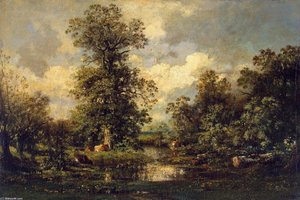
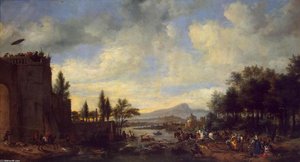
Artist Biography
Emil Jakob Schindler: Life and Legacy
Early Life and Education
- Born: 1842 in Fischamend, Austria.
- Schindler’s early life was marked by family tragedy; his father died when he was four years old. His mother remarried, leading to a complex family dynamic.
- He initially pursued a military career, joining the army in 1857 and potentially participating in the Battle of Solferino.
- In 1860, he abandoned his military aspirations and enrolled at the Academy of Fine Arts, Vienna, studying under Albert Zimmermann.
Artistic Influences and Development
- Influenced by Dutch Masters: Schindler drew significant inspiration from 17th-century Dutch landscape painters like Meindert Hobbema and Jacob Izaaksoon van Ruisdael, adopting their atmospheric realism.
- His early works focused on detailed depictions of nature, gradually evolving towards a more impressionistic style with looser brushwork and an emphasis on light and atmosphere.
- Travels to Venice, Dalmatia, France, and Holland broadened his artistic horizons and provided new subject matter.
Career and Major Works
- Schindler achieved early success with “Eine Waldschmiede” (A Forest Blacksmith), sold in 1864 shortly after his first public exhibition.
- He established himself as a landscape painter, capturing the beauty of the Vienna Woods, the Dalmatian coast, and other scenic locations.
- Notable Works Include: “Kaisermühlen on the Danube,” “Mountain Stream in the Ramau,” “February Atmosphere Early Spring in the Vienna Woods”, "Gosau Mill near Ischl", and “Flower Garden in Weissenkirchen”.
- In 1885, he began renting Castle Plankenberg, establishing an artists' colony where he taught several students.
- He received a commission from Crown Prince Rudolf of Austria to sketch coastal scenery in Dalmatia and Corfu as part of a larger project documenting the Austro-Hungarian monarchy.
Personal Life and Family
- Schindler’s personal life was complex, marked by marital challenges and suspected infidelity.
- He married Anna Sofie Bergen in 1879, and they had two daughters: Alma Mahler (a renowned composer and author) and Margaretha Julie (Grete).
- Rumors circulated regarding the paternity of his daughters, adding a layer of intrigue to his biography.
Achievements and Historical Significance
- Awards & Recognition: Schindler was awarded the Reichel-Preis in 1881, boosting his career and financial stability.
- He became an honorary member of both the Vienna Academy (1887) and the Munich Academy (1888).
- Legacy: Schindler’s work represents a bridge between traditional landscape painting and the emerging Impressionist movement. His atmospheric depictions of Austrian landscapes continue to be admired for their beauty and sensitivity.
- As the father of Alma Mahler, he is also remembered as part of a prominent artistic family.
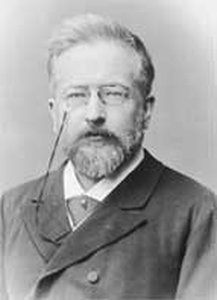
emil jacob schindler
1842 - 1892
Quick Facts
- Birth_Date: 1842
- Death_Date: 1892
- Influenced By: Dutch Masters (Hobbema, Ruisdael)
- Movement: Poetic Realism, Impressionism
- Name: Emil Jakob Schindler
- Nationality: Austrian
- Notable Works:
- Eine Waldschmiede
- Kaisermühlen on the Danube
- Flower Garden in Weissenkirchen
Related Articles

Evocations of Place: A Historical Journey Through Landscape Art
Explore the rich history of landscape art with ArtsDot. Discover renowned artists, movements like Impressionism & Romanticism, and expert guidance for collecting timeless pieces. Find your perfect serene escape today!

Romantic Landscapes: 10 Masterpieces for Your Home | ArtsDot
Journey through 10 Romantic landscape masterpieces by Friedrich, Turner & Cole. Explore emotional art, sublime nature scenes & iconic 19th-century paintings. Find museum-quality reproductions for your home at ArtsDot.com – discover the full collection online!
Evocations of Place: A Historical Journey Through Landscape Art
Explore the rich history of landscape art with ArtsDot. Discover renowned artists, movements like Impressionism & tonalism, and expert guidance for collecting timeless pieces. Find your perfect serene escape today!

John Constable's Masterpieces: Explore 25 Iconic Landscapes for Your Home
Journey through John Constable's 25 most celebrated landscapes. Explore Romanticism, Dedham Vale & his masterful use of light in iconic paintings like 'Hay Wain'. Find museum-quality art reproductions and elevate your home decor on ArtsDot.com.
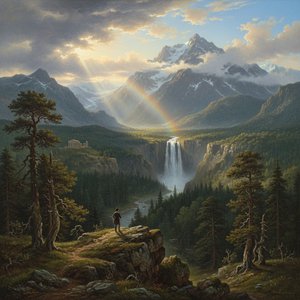
Evoking Nature's Sublime: A Comprehensive Exploration of 19th-Century Landscape Painting
Explore the captivating world of 19th-century landscape painting! Discover renowned artists like Friedrich & Monet, key movements, and find the perfect artwork to bring nature's serenity into your home. Expert insights at ArtsDot.