

 Preview
 Send
Send Share
Share
 Details

 Download
 Similars
 X-Ray
X-Ray Diaporama
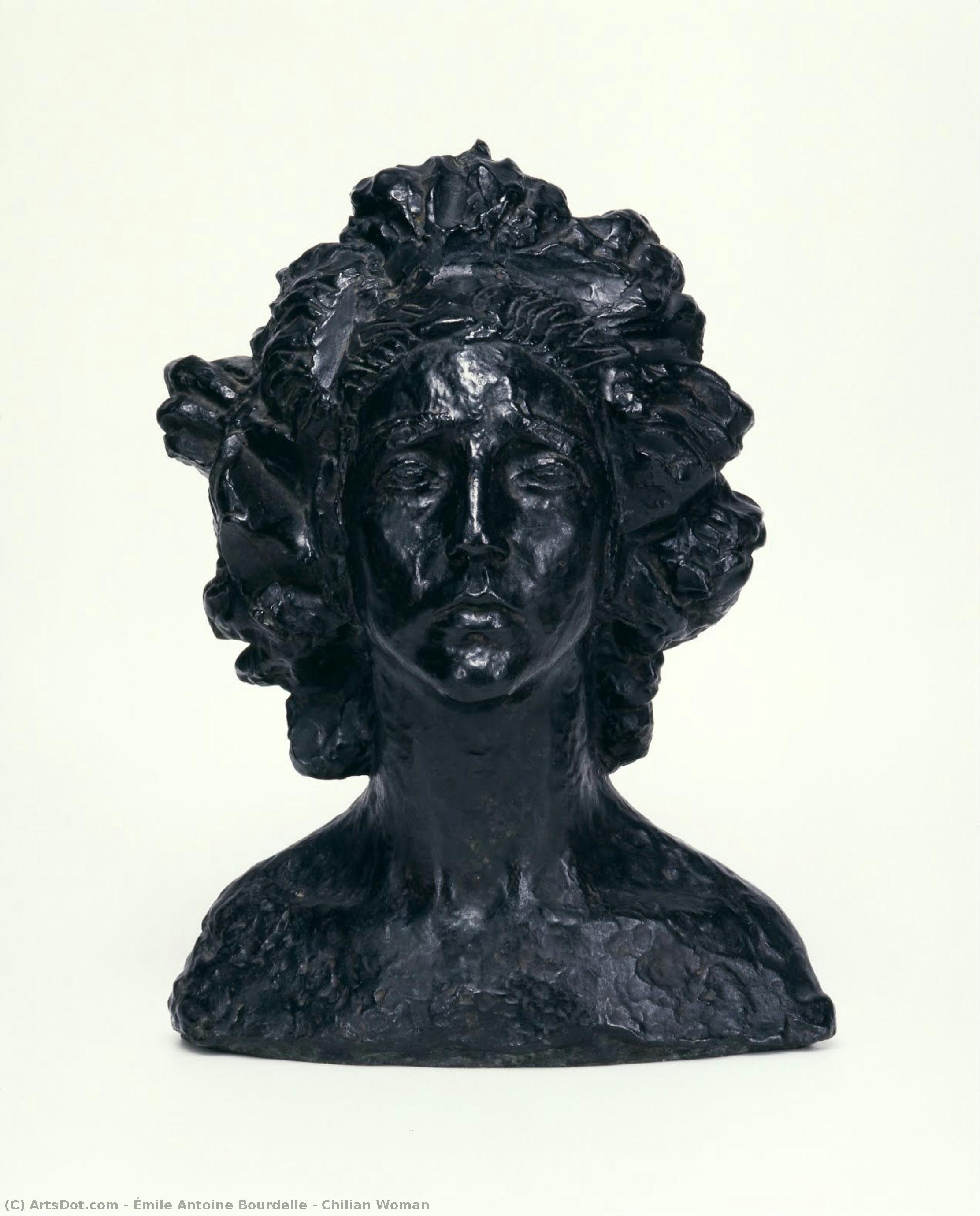
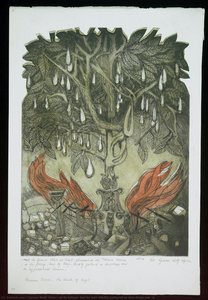
Chilian Woman
 34.0 x 46.0 cm
 Read More
Purchase a high-resolution, enhanced digital image, far superior to the online preview.
Each file is meticulously prepared by our in-house specialists using advanced tools and expert manual retouching. We ensure every image has exceptional clarity, precise color accuracy, and fine detail.
The final file is delivered via email within 72 hours, optimized for immediate use in professional, editorial, and print environments. This is the same quality trusted by top-tier design studios, publishers, and galleries.
Digital Image
Download a high-resolution file for personal display, printing, and creative projects. ( Buy Print Buy Hand Made Painting)
Included in Every Digital Image Order
Expert Digital Delivery, Guaranteed
When you choose ArtsDot.com, you're not just getting an image - you're receiving a professionally enhanced digital artwork, crafted with precision and backed by a satisfaction guarantee. Here's everything that comes with your order, automatically:

Fast Email Delivery
Your high-resolution digital image file will be emailed to you within 72 hours of ordering - ready for immediate use.

AI-Enhanced Digital File
Your artwork is professionally optimized using advanced AI tools and manual editing, ensuring maximum detail, clarity, and color accuracy.

Free Lifetime Re-Delivery
Accidentally deleted or lost your file? No worries - we'll resend it to you anytime, free of charge.

No Import Fees - Ever
Enjoy your artwork instantly with zero customs, duties, or delivery fees - digital downloads are always tax-free.

Color Accuracy Guarantee
We ensure your digital image reflects the original colors as closely as possible using professional tools and color management.

60-Day Satisfaction Guarantee
If you're not satisfied with your digital image, we'll revise it or refund 100% within 60 days - no questions asked.

100% Money-Back Guarantee
Not satisfied? Get a full refund within 60 days of receiving your digital file - no questions asked.

Bulk Order Discounts
Buy 3 images, save 10% - Buy 5, save 15% - Buy 10+, save 20%. Great for creative projects, galleries, and agencies.
Collectible Description
Related Artworks





Artist Biography
The Architect of Form: The Life and Legacy of Émile Antoine Bourdelle
Born in the historic landscape of Montauban in 1861, Émile Antoine Bourdelle emerged as a titan of French sculpture, a master who bridged the gap between the romantic fluidity of the nineteenth century and the structured rigor of modernism. His journey began not in the grand academies of Paris, but amidst the tactile reality of wood and grain, working as a woodcarver in his father’s cabinet-making shop from the tender age of thirteen. This early immersion in the physical properties of material would later define his sculptural language, imbuing his works with an inherent sense of structural integrity and a profound understanding of volume and mass.
After honing his drawing skills under the guidance of the founder of the Ingres Museum, Bourdelle sought formal training in Toulouse before securing a prestigious scholarship to the École des Beaux-Arts in Paris. It was in the vibrant, competitive atmosphere of the capital that his artistic identity truly began to crystallize. Working within the atelier of Alexandre Falguière and finding inspiration in the studio of Jules Dalou, Bourdelle developed a style that moved away from mere imitation toward a more profound, architectural expression. His 1888 sculptures of Beethoven served as a definitive turning point, showcasing an authoritative command over form that emphasized order, geometric spirit, and a revolutionary approach to construction.
A Symbiosis of Influence: From Rodin to Modernity
The trajectory of Bourdelle’s career was irrevocably altered when he joined the studio of Auguste Rodin in 1893. While many viewed him simply as an assistant, the relationship was one of profound mutual respect; Rodin himself became a great admirer of Bourdelle's unique ability to infuse monumental figures with both heroic strength and rhythmic grace. This period allowed Bourdelle to absorb the expressive vitality of Rodin while simultaneously carving out his own path toward a more structured, classical aesthetic. He did not merely follow the impressionistic textures of his mentor; instead, he sought a return to the permanence of ancient Greek and Roman archetypes, filtered through a twentieth-century lens.
As a teacher, Bourdelle’s influence was nothing short of monumental. His studio became a crucible for future generations of sculptors, where he imparted a philosophy that prioritized the internal logic of the sculpture over superficial detail. His pedagogical reach ensured that his emphasis on geometry, invention, and monumentality would ripple through the decades, influencing the development of Art Deco and the broader movement toward modern abstraction.
Monumental Achievements and Eternal Memory
Throughout his later years, Bourdelle’s work became synonymous with the public spirit of France. He received numerous prestigious commissions for war memorials and civic monuments, works that demanded a sense of timelessness and collective memory. His recognition by the French state was profound, marked by his elevation to Knight, Officer, and eventually Commander of the Legion of Honor. Beyond the borders of France, his participation in the landmark 1913 Armory Show in New York introduced his powerful, rhythmic compositions to an international audience, cementing his status as a pioneer of twentieth-century monumental sculpture.
The legacy of Bourdelle is preserved not only in bronze and stone scattered across the globe but also within the very walls of the Musée Bourdelle in Paris. This museum, housed in his former studio, serves as a sanctuary for his creative spirit, allowing visitors to walk through the space where he shaped the modern sculptural landscape. Though he passed away in 1929, his contribution to the evolution of form remains an indelible part of art history, characterized by:
- Structural Integrity: A mastery of geometric construction that gave figures a sense of architectural permanence.
- Heroic Expression: The ability to convey profound human emotion through powerful, larger-than-life compositions.
- Historical Synthesis: A unique ability to blend classical tradition with the burgeoning energy of modernism.
- Pedagogical Impact: A lasting influence on the sculptural community through his dedicated teaching and studio leadership.
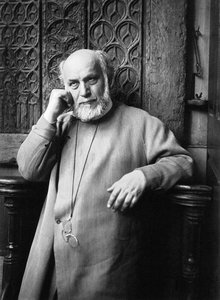
émile antoine bourdelle
1861 - 1929
Quick Facts
- Artistic Movement Or Style: Monumental sculpture, Modernism
- Artists Or Movements Influenced By This Artist: ['20th century monumental sculpture']
- Artists Who Influenced This Artist:
- Alexandre Falguière
- Jules Dalou
- Date Of Birth: October 30, 1861
- Date Of Death: October 1, 1929
- Full Name: Émile Antoine Bourdelle
- Nationality: French
- Notable Artworks: ['Beethoven']
- Place Of Birth: Montauban, France

