 Preview
 Send
Send Share
Share
 Details

 Download
 Similars
 X-Ray
X-Ray Diaporama
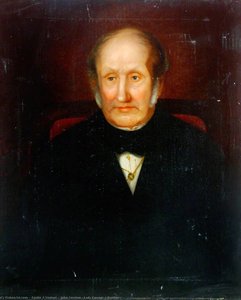
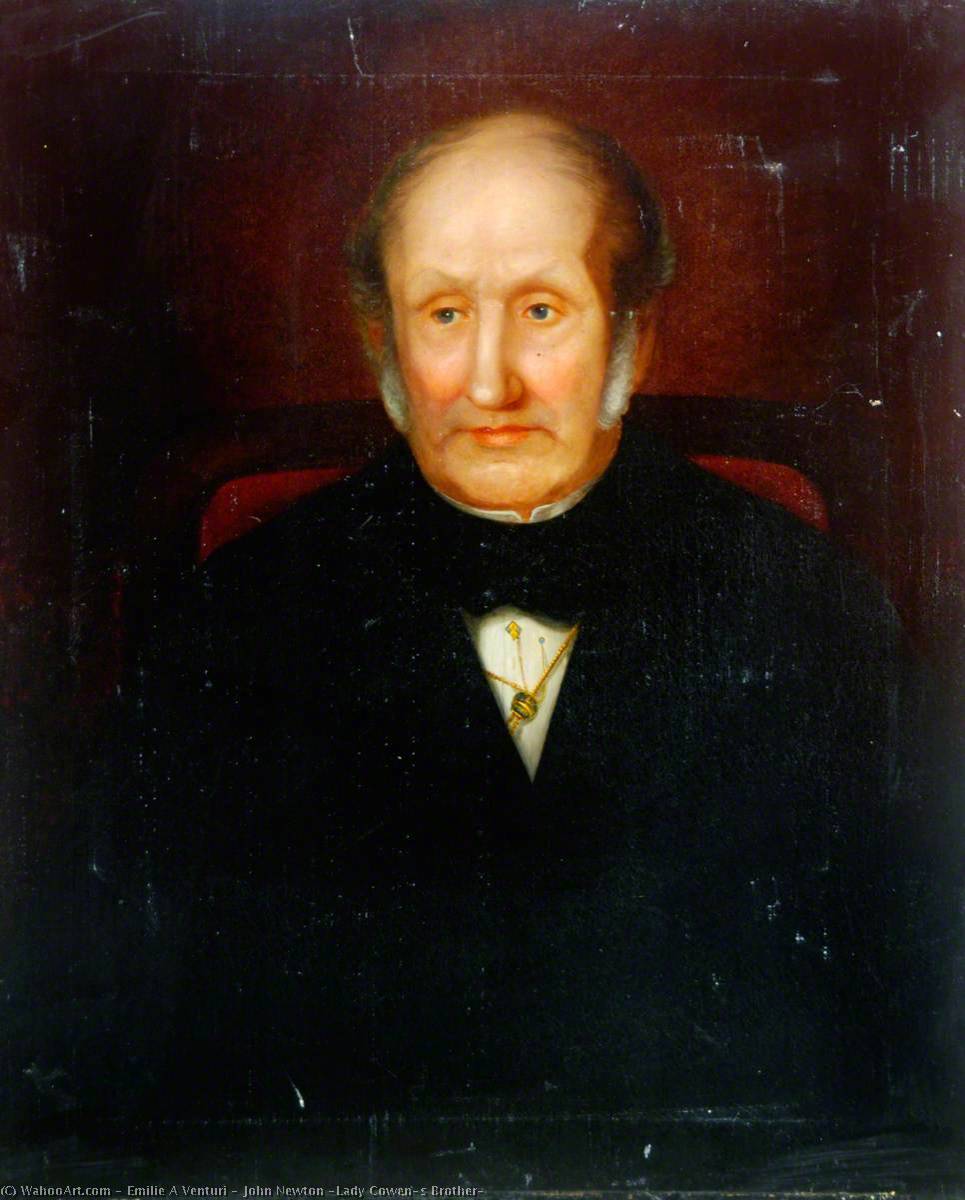
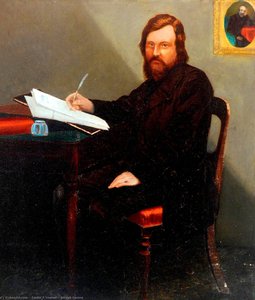
John Newton (Lady Cowen's Brother)
 1858
1858 76.0 x 64.0 cm
 Read More
Hand Made Oil Reproduction
Hand-painted oil on canvas in your size and frame, made to order by our artists. ( Buy Print Buy Image)




































Pick from our preset sizes that match the artwork's original proportions.

You may enter your own dimensions to fit a specific frame or space. If your selected size does not match the original image's proportions, we will either crop the artwork or extend the painting with additional hand-painted elements. A digital mockup will be sent for your approval before production begins.
Please note that the on-screen preview does not reflect the actual cropping or extension. Only the mockup will accurately show the final composition.
While custom sizes are available, we recommend selecting a dimension from the predefined list to preserve the original proportions.
After order, ArtsDot.com team will email client for instructions and provide a mockup preview
Worldwide Delivery () in 3/4 weeks instead of standard 5 weeks. (1 September). No compromise on quality.

Free Worldwide Express Shipping

High-Quality Linen Canvas

Full Shipping Insurance

Customs Tax Refund Guarantee

True Color Matching Guarantee

60-Day Return Policy (Defects Only)

100% Money-Back Guarantee

Bulk Discount Offer
 Glass option is only available in size under 110 CM

John Newton (Lady Cowen's Brother)
Reproduction Medium
Reproduction Size
-


Total Price
$ 263
Related Artworks









Artist Biography
The Visionary Brush: The Life and Legacy of Emilie Ashurst Venturi
In the vibrant, often turbulent tapestry of Victorian England, few figures possessed a spirit as indomitable as Emilie Ashurst Venturi. Born on July 6, 1821, into the influential and radical Ashurst family, her life was far more than a mere chronicle of aristocratic privilege; it was a profound journey of intellectual rebellion and artistic devotion. As a member of the famed "Muswell Hill Brigade," Emilie was raised amidst a whirlwind of progressive ideals, where the fight for Italian unification and women’s suffrage were not merely political discussions but the very air her family breathed. This upbringing forged a woman who refused to be confined by the domestic expectations of her era, choosing instead to weave her artistic talents into the fabric of global political reform.
Her early years in London were marked by an burgeoning fascination with the revolutionary fervor sweeping through Europe. This passion found its most significant anchor in the works of Giuseppe Mazzini. Venturi did not merely admire the Italian patriot from afar; she became his devoted disciple and his primary English voice, undertaking the monumental and audacious task of translating his complex political philosophies for a British audience. Through her translations, the fire of Italian nationalism was spread across the English Channel, demonstrating a literary prowess that matched her visual artistry. Her life was a bridge between nations and ideologies, connecting the radical circles of London to the revolutionary heart of Italy.
A Portrait of Character and Conviction
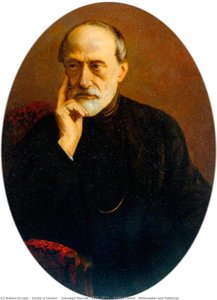
While her pen moved the masses, her brush captured the soul. Venturi’s artistic output was deeply intertwined with her political allegiances, most notably seen in her masterful portraiture. She possessed a rare ability to move beyond simple physical likeness, utilizing oil on canvas to explore the psychological depths of her subjects. Her most celebrated work, the Giuseppe Mazzini portrait of 1869, stands as a testament to her technical skill and emotional intimacy with her subject. In this piece, one observes a meticulous application of light and shadow, where nuanced tonal gradations serve to reveal the inner strength and intellectual intensity of the revolutionary leader.
Her technique was characterized by an observant precision that allowed her to convey much more than skin and bone. Through her portraits, she explored themes of femininity, resilience, and the quiet power of social reform. Her work often subtly communicated messages of empowerment, reflecting her own struggle for intellectual independence. Whether depicting political luminaries or exploring the nuances of the female form, Venturi’s art was never static; it was a living dialogue with the social upheavals of the nineteenth century.
A Life of Connection and Transformation
The personal life of Emilie Ashurst Venturi was as dramatic and transformative as her art. Her marriage to Sidney Milnes Hawkes, though eventually ending in divorce, placed her at the center of a sophisticated intellectual network. Following her remarriage to the Italian patriot Carlo Venturi, she embraced the identity of Madame Venturi, a name that became synonymous with both her artistic presence and her political activism. This period of her life saw her corresponding with some of the most legendary figures of the age, including:
- James McNeill Whistler, the master of tonalism;
- Algernon Charles Swinburne, the provocative poet;
- Josephine Butler, the tireless activist for women's rights;
- Giuseppe Garibaldi, the hero of Italian unification.
These connections illuminate a life lived at the very intersection of art and revolution. Even after the sudden death of her husband, Carlo, Emilie continued to navigate the complexities of her era with grace and determination. Her legacy remains that of a true polymath—an artist, writer, and translator who used every medium at her disposal to advocate for a more just and unified world. Today, she is remembered not only as a skilled painter of portraits but as a vital voice in the long history of the struggle for human rights and social progress.
Quick Facts
- Artistic Movement Or Style: Romanticism
- Artists Or Movements Influenced By This Artist: ['Italian Romantic Art']
- Artists Who Influenced This Artist: ['James McNeill Whistler']
- Date Of Birth: 1821
- Date Of Death: 1893
- Full Name: Emilie Ashurst Venturi
- Nationality: British
- Notable Artworks: ['Giuseppe Mazzini']
- Place Of Birth: England