 Preview
 Send
Send Share
Share
 Details

 Download
 Similars
 X-Ray
X-Ray Diaporama
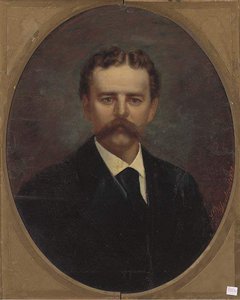
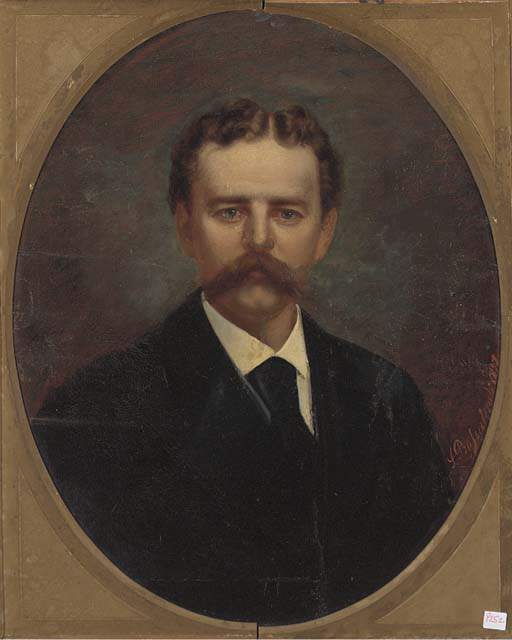
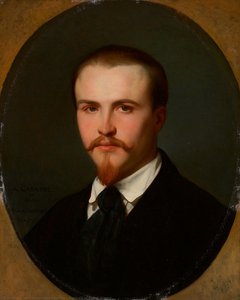
Portrait Of A Gentleman
 Read More
Giclée / Art Print
Museum-quality giclée or canvas print with fast production and flexible finish options. ( Buy Hand Made Painting Buy Image)




































Pick from our preset sizes that match the artwork's original proportions.

You may enter your own dimensions to fit a specific frame or space. If your selected size does not match the original image's proportions, we will either crop the artwork or extend the image with a mirrored or solid-fill edge. A digital mockup will be sent for your approval before production begins.
Please note that the on-screen preview does not reflect the actual cropping or extension. Only the mockup will accurately show the final composition.
While custom sizes are available, we recommend selecting a dimension from the predefined list to preserve the original proportions.
Worldwide Delivery () in 2 weeks instead of standard 4/5 weeks. (27 August)

Free Worldwide Express Shipping

High-Quality Linen Canvas

Full Shipping Insurance

Customs Tax Refund Guarantee

True Color Matching Guarantee

60-Day Return Policy (Defects Only)

100% Money-Back Guarantee

Bulk Discount Offer
 Glass option is only available in size under 110 CM

Portrait Of A Gentleman
Giclée / Art Print
Reproduction Size
-


Total Price
$ 63
Related Artworks



Artist Biography
Early Life and Artistic Lineage
Emilios Prosalentis, born in Corfu, Greece, in 1859, inherited a rich artistic legacy that profoundly shaped his creative path. He was not merely an artist but a scion of the esteemed Prosalentis family—a dynasty renowned for its contributions to Greek sculpture and painting. His grandfather, Pavlos Prosalentis Senior, stands as a pioneering figure in modern Greek sculpture, while his father, Spyridon Prosalentis, was himself a respected painter who imparted Emilios’s earliest artistic lessons. This familial foundation instilled within him not only technical skills but also a deep appreciation for the aesthetic traditions of Greece and a commitment to continuing this vibrant lineage. The island of Corfu itself, with its lush landscapes and captivating light, served as an initial source of inspiration, fostering a sensitivity to natural beauty that would permeate his later works.A Fusion of Engineering and Art
Prosalentis’s early education took an unexpected turn when he pursued studies in engineering in Paris around 1874. This foray into the technical sciences might seem at odds with a career in painting, yet it proved to be a formative experience. The precision and analytical thinking honed through his engineering training would later inform his meticulous approach to composition and perspective. However, the allure of art remained strong, drawing him back towards his inherited passion. Upon returning to Greece, Prosalentis embarked on a dual path—serving as an officer in the Greek Navy while simultaneously dedicating himself to painting. This unique combination of professions provided him with distinctive subject matter, particularly maritime scenes and depictions of naval life, which became central themes in his oeuvre.Themes and Artistic Development
Prosalentis’s artistic style is often categorized within the Orientalist movement, reflecting a broader 19th-century fascination with Eastern cultures and exotic locales. However, his work transcends simple categorization, blending elements of realism, impressionism, and a distinctly Greek sensibility. He actively participated in collective exhibitions from the mid-1880s onwards, gradually establishing himself as a notable figure within the Greek art scene. His paintings are characterized by evocative landscapes—often featuring serene seascapes and picturesque ports—and compelling historical narratives. He possessed a particular talent for capturing the interplay of light and shadow, creating atmospheric effects that imbue his scenes with a sense of drama and emotion. Beyond maritime themes, Prosalentis also depicted influential figures and events, showcasing a versatility that broadened his appeal.Watercolor Mastery and Lasting Legacy
Prosalentis played a pivotal role in the development of watercolor painting traditions within the Ionian Islands. He championed this medium as a means of capturing the fleeting beauty of the natural world, influencing subsequent generations of Greek artists to embrace its expressive potential. His meticulous technique, combined with his keen eye for detail and atmospheric effects, resulted in works that are both visually stunning and emotionally resonant. While biographical details remain somewhat scarce, auction records and art historical analyses reveal a consistent demand for his paintings, demonstrating the enduring appeal of his work. He passed away in Athens in 1926, leaving behind a legacy as a skilled painter who successfully bridged the gap between technical precision and artistic expression.Historical Significance
Emilios Prosalentis occupies an important position within the context of 19th-century Greek art. His paintings offer valuable insights into the social and cultural life of his time, documenting maritime activities, historical events, and the landscapes of Greece.- His work reflects a broader European fascination with Orientalism.
- He contributed to the development of watercolor painting in the Ionian Islands.
- As part of an established artistic family, he helped perpetuate a tradition of excellence within Greek art.
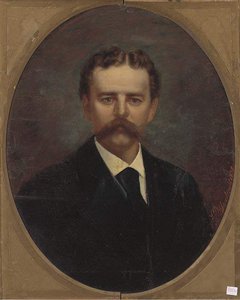
emilios prosalentis
1859 - 1926 , Greece
Quick Facts
- Artistic Movement Or Style: Orientalist Art
- Artists Or Movements Influenced By This Artist: ['French School']
- Artists Who Influenced This Artist: ['Spyridon Prosalentis']
- Date Of Birth: 1859
- Full Name: Emilios Prosalentis
- Nationality: Greek
- Notable Artworks:
- The Caryatids; The Propylaea
- Sailing ship
- Naviguer au levé du jour
- Place Of Birth: Corfu, Greece