 Preview
 Send
Send Share
Share
 Details

 Download
 Similars
 X-Ray
X-Ray Diaporama
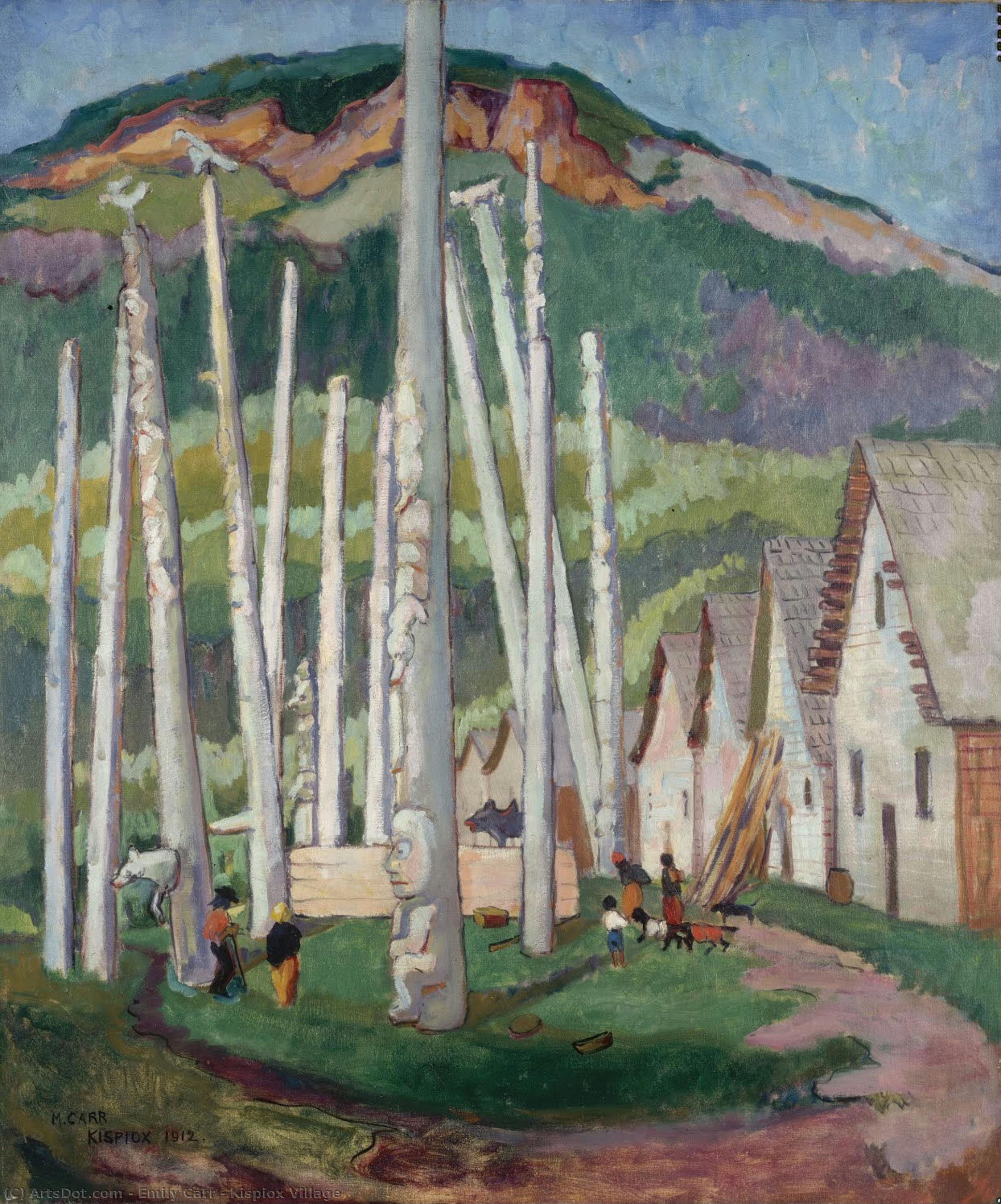
Kispiox Village
 Oil On Canvas
- WallArt
- Impressionism
 19th Century
 78.0 x 93.0 cm
 Royal BC Museum
 Read More
Hand Made Oil Reproduction
Hand-painted oil on canvas in your size and frame, made to order by our artists. ( Buy Print Buy Image)




P118B $10

P118H $10

P118W $10

P438Z $10

P508JH $12

P508YH $12

P805H $10

P805Z $10

P919BZ $10

P919G $10

P919XJ $10

P959ZH $10

P968JZ $12

W106C $8

W218G $10

W218JH $8

W218Y $10

W307PJ $10

W316G $10

W316PJ $8

W316Y $10

W398PJ $8

W4111J $10

W500HY $15

W500JH $15

W692G $12

W849H $8

W940BG $15

W953PJ $8




Pick from our preset sizes that match the artwork's original proportions.

You may enter your own dimensions to fit a specific frame or space. If your selected size does not match the original image's proportions, we will either crop the artwork or extend the painting with additional hand-painted elements. A digital mockup will be sent for your approval before production begins.
Please note that the on-screen preview does not reflect the actual cropping or extension. Only the mockup will accurately show the final composition.
While custom sizes are available, we recommend selecting a dimension from the predefined list to preserve the original proportions.
After order, ArtsDot.com team will email client for instructions and provide a mockup preview
Worldwide Delivery () in 3/4 weeks instead of standard 5 weeks. (16 August). No compromise on quality.

Free Worldwide Express Shipping

High-Quality Linen Canvas

Full Shipping Insurance

Customs Tax Refund Guarantee

True Color Matching Guarantee

60-Day Return Policy (Defects Only)

100% Money-Back Guarantee

Bulk Discount Offer
 Glass option is only available in size under 110 CM

Kispiox Village
Reproduction Medium
Reproduction Size
-


Total Price
$ 388
Artwork Description
A Window Into a Changing World: Emily Carr’s Kispiox Village
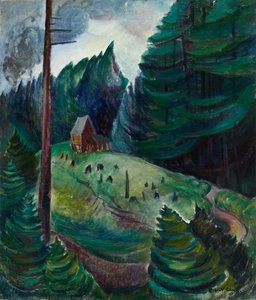
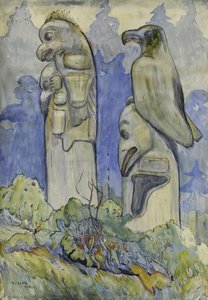
Emily Carr's "Kispiox Village," painted in 1929, isn’t merely a depiction of a remote British Columbia landscape; it’s a poignant snapshot of a vanishing world – the traditional life and artistry of the Gitxsan people. The painting captures a pivotal moment, a brief window into a culture on the cusp of profound change, as documented by Carr during her extensive travels throughout the Pacific Northwest. Towering, intricately carved totem poles dominate the composition, their geometric patterns and symbolic figures anchoring the scene against the backdrop of a rugged mountain range and a small, vibrant village nestled at the river’s edge. These aren't static monuments; they are living narratives, imbued with stories passed down through generations, and Carr’s work serves as a vital record of this oral tradition. The painting’s power lies in its ability to evoke both the grandeur of the natural world and the intimate details of daily life within that landscape – the figures engaged in their tasks, the children playing, the quiet dignity of the community.Impressionistic Realism: A Hybrid Style
Carr's artistic approach is a fascinating blend of Impressionist techniques and a grounded realism rooted in her observations of Indigenous culture. The brushstrokes are loose and visible, creating a sense of movement and immediacy – capturing not just the appearance of the poles and village but also the feeling of being present within that environment. She employs broken color to create atmospheric effects, particularly in the depiction of the mountains and sky, lending an ethereal quality to the scene. Yet, unlike purely Impressionistic works focused on fleeting moments, Carr’s attention to detail – the textures of the wood, the folds of clothing, the expressions on the faces of the villagers – firmly anchors the painting within a realistic framework. This hybrid style allows her to convey both the subjective experience of witnessing this unique culture and the objective reality of its landscape. The influence of early 20th-century realism is evident in the careful rendering of forms and the use of light, while the Impressionistic touches imbue the work with a sense of vibrancy and immediacy.Symbolism Woven into the Landscape
The totem poles themselves are rich with symbolic meaning, representing clan histories, ancestral lineages, and spiritual beliefs. Carr’s painting doesn't simply depict these structures; it subtly hints at their significance through careful composition and detail. The specific figures carved onto the poles – thunderbirds, mountain ferns, human faces – each carry distinct meanings within Gitxsan cosmology. The placement of the poles within the village suggests a connection between the community and its heritage. Beyond the poles, the landscape itself is laden with symbolism. The towering mountains represent strength and permanence, while the river symbolizes life and continuity. Carr’s choice to focus on these elements speaks volumes about her understanding and respect for the culture she was documenting. The painting becomes more than a visual record; it's a meditation on the interconnectedness of people, place, and belief.A Legacy Preserved: Historical Context and Reproduction
“Kispiox Village” is inextricably linked to Emily Carr’s broader project of documenting Indigenous cultures in British Columbia during a period of rapid change. As Canada grappled with its identity and relationship with First Nations peoples, Carr sought to capture the essence of these communities before their traditions were irrevocably lost. Her work was initially met with mixed reactions – some critics dismissed her depictions as sentimental or overly romanticized, while others recognized their profound value as a visual record of a disappearing way of life. Today, Carr’s paintings are celebrated for their honesty and sensitivity, offering invaluable insights into the rich cultural heritage of British Columbia. Reproductions of “Kispiox Village” provide an accessible means to appreciate Carr's artistic vision and contribute to a deeper understanding of Gitxsan culture. When selecting a reproduction, consider the quality of materials used – archival inks on museum-grade canvas will ensure that the colors remain vibrant for generations to come, preserving the painting’s emotional impact and historical significance.Bringing Kispiox Home: Interior Design Considerations
The evocative palette of blues, greens, and browns in “Kispiox Village” lends itself beautifully to interior design. Consider incorporating these hues into a room to create a sense of tranquility and connection to nature. The painting’s vertical format works particularly well in hallways or above fireplaces, drawing the eye upwards and creating a focal point. The textured brushstrokes can be replicated through textiles – think woven rugs, linen curtains, or even tactile wall coverings – to add depth and visual interest to a space. Ultimately, “Kispiox Village” is more than just a painting; it’s a portal into another world—a reminder of the beauty, resilience, and enduring spirit of Indigenous cultures in British Columbia.Related Artworks

Artist Biography
A Life Rooted in the Landscape and Spirit of British Columbia
Emily Carr, born December 13, 1871, in Victoria, British Columbia, was more than just a painter; she was a chronicler of a changing world, a passionate observer of both the natural majesty of the Pacific Northwest and the rich cultural heritage of its First Nations peoples. Her life unfolded against the backdrop of a rapidly evolving Canada, a nation grappling with its identity and relationship to its Indigenous populations. The daughter of Richard and Emily Carr, English immigrants who sought opportunity in the burgeoning colony, she grew up in a household that valued both tradition and progress. This duality would profoundly shape her artistic vision. From an early age, encouraged by her father, Emily displayed a remarkable aptitude for art, a talent nurtured through formal instruction and a deep connection to the surrounding landscape. The imposing forests of Vancouver Island, the rugged coastline, and the vibrant life within them became enduring sources of inspiration. However, it was not merely the visual beauty that captivated Carr; she sought to capture the *spirit* of this land, its inherent power and mystery.Forging a Unique Artistic Voice
Carr’s artistic journey was one of continuous exploration and refinement. She pursued formal training at the San Francisco Art Institute (1890-1892) and later at the Westminster School of Art in London (1899), immersing herself in European artistic currents. Yet, she found herself increasingly drawn back to her native British Columbia, recognizing that true artistic expression lay not in imitation but in authentic representation of her own experience. Initially influenced by Post-Impressionism, Carr gradually moved away from conventional techniques, developing a style characterized by bold colors, dynamic brushstrokes, and an almost visceral energy. A pivotal moment in her development came through her encounters with the First Nations communities along the British Columbia coast. She traveled extensively throughout these regions, documenting their villages, totem poles, and ceremonial objects with reverence and respect. These experiences profoundly impacted her work, infusing it with a spiritual depth and a commitment to preserving a culture facing immense pressure from colonial forces. Carr wasn’t simply painting *about* First Nations cultures; she was attempting to convey their worldview, their connection to the land, and the profound symbolism embedded in their art. Her paintings became powerful statements of cultural preservation and artistic innovation.Modernism and the Expression of Inner Vision
Emily Carr stands as a pioneering figure in Canadian Modernism, embracing new forms of expression while remaining deeply rooted in her own unique perspective. She wasn’t content to merely replicate what she saw; instead, she sought to convey the emotional and spiritual essence of her subjects. This led her to experiment with increasingly abstract compositions, employing thick impasto techniques to create a sense of movement and texture. Her canvases often pulsate with energy, reflecting the raw power of the natural world and the vibrant life force of the First Nations communities she depicted. Kispiox Village, for example, is not simply a representation of a village scene; it’s an evocation of its atmosphere, its history, and its spiritual significance. Carr's work often features towering trees that seem to reach towards the heavens, symbolizing both the grandeur of nature and the enduring spirit of Indigenous cultures. She wasn’t afraid to challenge conventional artistic norms, pushing boundaries and forging her own path. This commitment to artistic independence would inspire generations of Canadian artists to come.Legacy and Enduring Influence
Though recognition came relatively late in life, Emily Carr is now widely celebrated as “the Mother of Modern Canadian Art.” Her paintings are treasured for their beauty, their emotional depth, and their historical significance. Beyond her artistic achievements, Carr was also a gifted writer, chronicling her experiences and observations in the acclaimed autobiography Klee Wyck, which won the Governor General’s Literary Award for non-fiction in 1941. This work provides invaluable insights into her life, her artistic process, and her profound connection to British Columbia. Carr's legacy extends far beyond the art world; she has become a national icon, representing artistic independence, cultural exploration, and the enduring beauty of the Canadian landscape. Her influence can be seen in the work of numerous subsequent artists, including Pegi Nicol Macleod, who similarly sought to capture the spirit of the West Coast. Even today, her paintings continue to resonate with audiences around the world, reminding us of the importance of preserving cultural heritage and celebrating the power of artistic expression. A testament to her lasting impact is the naming of minor planet 5688 Kleewyck in her honor—a celestial tribute to a truly remarkable artist and visionary.Major Works
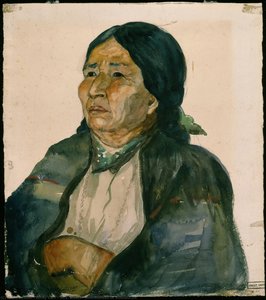
- Tanoo (watercolor): A delicate yet powerful depiction of First Nations life, showcasing Carr’s mastery of watercolor techniques.
- A Haida Village (oil): A striking oil painting that captures the architectural grandeur and spiritual significance of a Haida village.
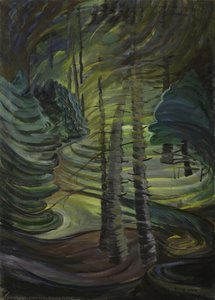
- The Indian Church (oil): A poignant representation of the intersection between Indigenous culture and Christian missionary influence, reflecting Carr’s complex engagement with colonial history.
- Kispiox Village (oil): An iconic painting that embodies Carr's unique style and her deep connection to the landscapes and communities of British Columbia.
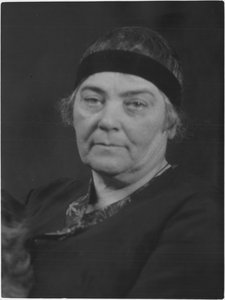
Emily Carr
1871 - 1945 , Canada
Quick Facts
- Artistic Movement Or Style: Modernism, Post-Impressionism
- Artists Or Movements Influenced By This Artist: ['Pegi Nicol Macleod']
- Date Of Birth: Dec 13, 1871
- Date Of Death: Mar 2, 1945
- Full Name: Emily Carr
- Nationality: Canadian
- Notable Artworks:
- Tanoo
- A Haida Village
- The Indian Church
- Kispiox Village
- Place Of Birth: Victoria, Canada
Related Articles

Beyond the Horizon: 10 Landscape Masterpieces for Your Home Decor
Journey through 10 breathtaking landscape paintings by Monet, Van Gogh & more! Explore iconic artworks, artistic techniques & find inspiration for your home decor. Museum-quality reproductions at ArtsDot.com. Discover all masterpieces on ArtsDot.com

Evocations of Place: A Historical Journey Through Landscape Art
Explore the rich history of landscape art with ArtsDot. Discover renowned artists, movements like Impressionism & Romanticism, and expert guidance for collecting timeless pieces. Find your perfect serene escape today!
Henry Marvell Carr: A Study in American Impressionism's Evolving Landscape of Light and Form
Explore the captivating work of Henry Marvell Carr, a pivotal figure in American Impressionism. Discover his evocative realism, war art, and cultural depictions – a journey through light, form, and legacy.

Romantic Landscapes: 10 Masterpieces for Your Home | ArtsDot
Journey through 10 Romantic landscape masterpieces by Friedrich, Turner & Cole. Explore emotional art, sublime nature scenes & iconic 19th-century paintings. Find museum-quality reproductions for your home at ArtsDot.com – discover the full collection online!

John Constable's Masterpieces: Explore 25 Iconic Landscapes for Your Home
Journey through John Constable's 25 most celebrated landscapes. Explore Romanticism, Dedham Vale & his masterful use of light in iconic paintings like 'Hay Wain'. Find museum-quality art reproductions and elevate your home decor on ArtsDot.com.