 Preview
 Send
Send Share
Share
 Details

 Download
 Similars
 X-Ray
X-Ray Diaporama
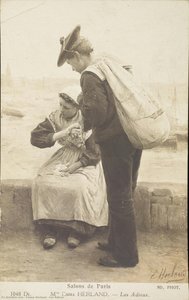
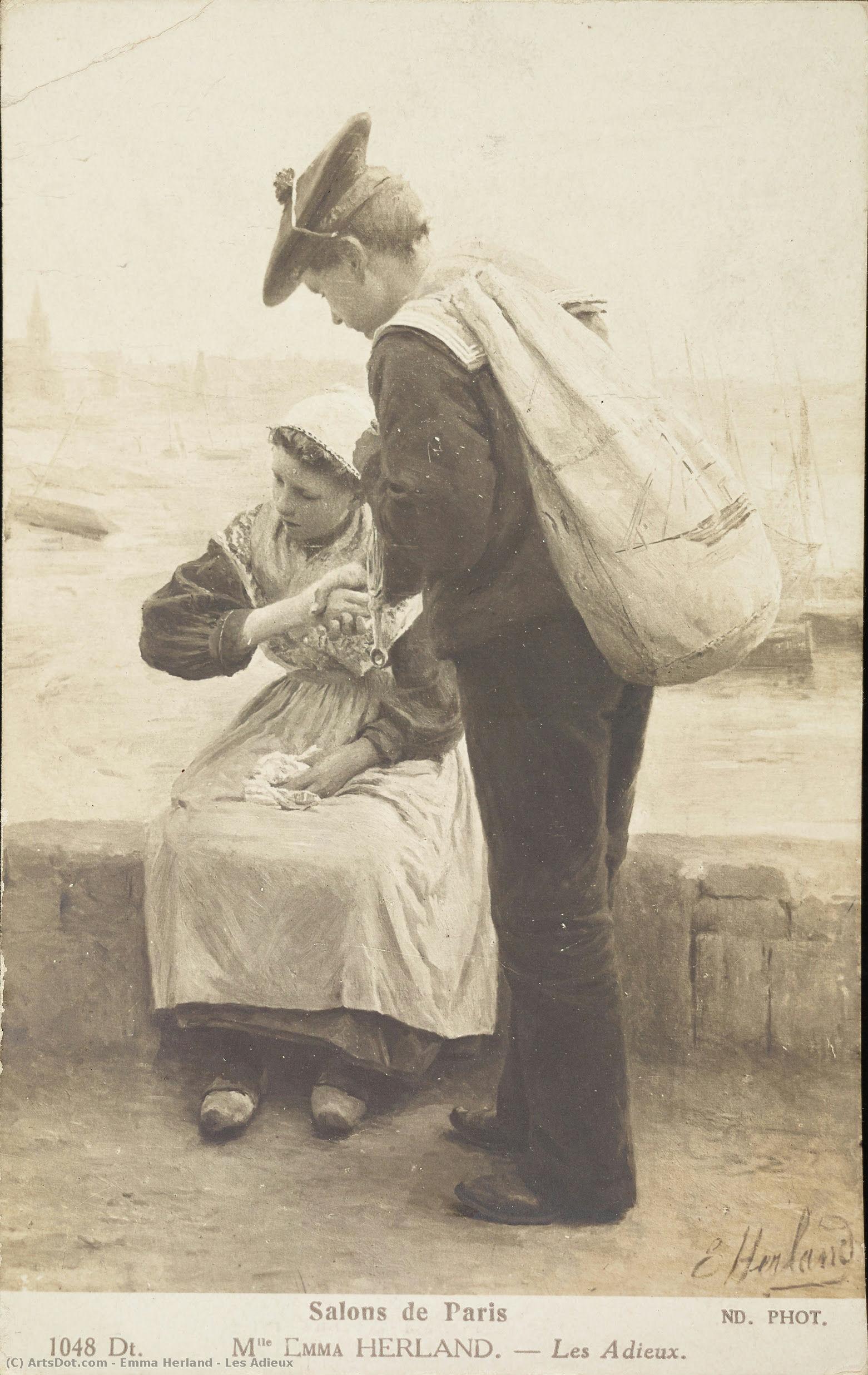
Les Adieux


 Read More
Hand Made Oil Reproduction
Hand-painted oil on canvas in your size and frame, made to order by our artists. ( Buy Print Buy Image)




































Pick from our preset sizes that match the artwork's original proportions.

You may enter your own dimensions to fit a specific frame or space. If your selected size does not match the original image's proportions, we will either crop the artwork or extend the painting with additional hand-painted elements. A digital mockup will be sent for your approval before production begins.
Please note that the on-screen preview does not reflect the actual cropping or extension. Only the mockup will accurately show the final composition.
While custom sizes are available, we recommend selecting a dimension from the predefined list to preserve the original proportions.
After order, ArtsDot.com team will email client for instructions and provide a mockup preview
Worldwide Delivery () in 3/4 weeks instead of standard 5 weeks. (21 August). No compromise on quality.

Free Worldwide Express Shipping

High-Quality Linen Canvas

Full Shipping Insurance

Customs Tax Refund Guarantee

True Color Matching Guarantee

60-Day Return Policy (Defects Only)

100% Money-Back Guarantee

Bulk Discount Offer
 Glass option is only available in size under 110 CM

Les Adieux
Reproduction Medium
Reproduction Size
-


Total Price
$ 263
Related Artworks


Artist Biography
Emma Herland: A Window into Breton Life and Charity
Born in Cherbourg, France, in 1856, Emma Herland emerged as a significant figure in late 19th-century French art, primarily known for her charming depictions of daily life, particularly within the context of Breton society and charitable institutions. Her artistic journey began with foundational training under esteemed artists like Jules Lefebvre and Benjamin Constant, absorbing classical academic techniques while developing a distinctly personal style. Her early work demonstrated a careful attention to detail and a commitment to realism, but it was her focus on portraying the lives of ordinary people – often women engaged in domestic tasks or caring for children – that truly defined her artistic legacy.
Herland’s relocation to Concarneau in 1885 proved pivotal. This picturesque coastal town, nestled within Brittany, provided an endless source of inspiration. The region's distinctive culture, characterized by its strong traditions, close-knit communities, and the simple rhythms of rural life, profoundly influenced her artistic vision. She meticulously captured the essence of Breton family life – the bustling markets, the women in their traditional attire, the children playing freely – creating a series of paintings that offer intimate glimpses into a world largely untouched by the rapid changes sweeping through France at the time.
A significant portion of Herland’s oeuvre centers around charitable schools and institutions. These scenes, frequently featuring young girls receiving instruction or enjoying simple meals, are imbued with a gentle warmth and compassion. These works weren't merely depictions of charity; they were celebrations of community spirit and the importance of education. Paintings like “Children Eating Soup in a Charity School” (1901), now housed in the collection of the Musée des Beaux-Arts de Quimper, exemplify this approach – showcasing not just poverty but also resilience and hope. The composition is carefully balanced, with attention paid to light and shadow, creating a sense of realism while simultaneously conveying an underlying message of empathy.
Artistic Style and Influences
Herland’s style can be characterized as a refined academic realism, tempered by a distinctly Impressionistic sensibility. While she adhered to classical principles of composition and technique – careful rendering of form, precise use of color, and a balanced arrangement of elements – she also embraced the Impressionists' focus on capturing fleeting moments and conveying atmosphere. She skillfully employed light and shadow to create depth and mood, often depicting scenes bathed in soft, diffused sunlight. Her brushwork is generally smooth and controlled, yet infused with a subtle sense of spontaneity.
Her artistic influences are diverse. Beyond her formal training under Lefebvre and Constant, she drew inspiration from the Barbizon School painters, known for their depictions of rural life, and the works of Gustave Courbet, whose commitment to portraying ordinary subjects resonated with Herland’s own artistic concerns. However, unlike many of her contemporaries who sought to emulate the grand narratives of history painting, Herland consistently focused on the intimate details of everyday existence.
Membership and Recognition
Emma Herland was a respected member of the Société des Artistes Français from 1886 onwards, a prestigious organization that provided a platform for emerging artists to exhibit their work. Her dedication and talent were recognized through an honourable mention at the Salon in 1901 – a significant achievement for a female artist during this period. This recognition underscored her growing reputation within the Parisian art world.
Furthermore, Herland’s work gained international attention when “Children Eating Soup in a Charity School” was included in “Women Painters of the World,” a landmark publication that celebrated the contributions of women artists throughout history. This inclusion cemented her place as a notable figure within the broader context of feminist art history.
Legacy and Historical Significance
Emma Herland’s paintings offer a valuable window into 19th-century French society, particularly the lives of rural communities in Brittany. Her meticulous depictions of Breton culture – its traditions, customs, and social structures – provide a rich source of historical information. Moreover, her focus on charitable institutions highlights the growing awareness of social issues during this era and the role that art could play in raising public consciousness.
Despite facing the challenges inherent in being a female artist working within a predominantly male-dominated field, Emma Herland persevered, producing a body of work that continues to be admired for its charm, sensitivity, and artistic merit. Her legacy endures as a testament to her talent, dedication, and unwavering commitment to portraying the beauty and dignity of everyday life.
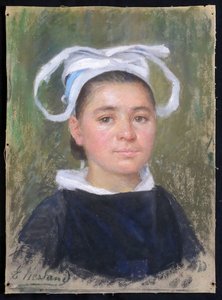
emma herland
1856 - 1947 , France
Quick Facts
- Artistic Movement Or Style: Impressionism, Victorian Art
- Artists Or Movements Influenced By This Artist: ['Women Painters of the World']
- Artists Who Influenced This Artist:
- Jules Lefebvre
- Benjamin Constant
- Date Of Birth: February 16, 1856
- Date Of Death: January 5, 1947
- Full Name: Emma Herland
- Nationality: French
- Notable Artworks:
- Children Eating Soup
- Les Adieux
- Place Of Birth: Cherbourg, France