 Preview
 Send
Send Share
Share
 Details

 Download
 Similars
 X-Ray
X-Ray Diaporama
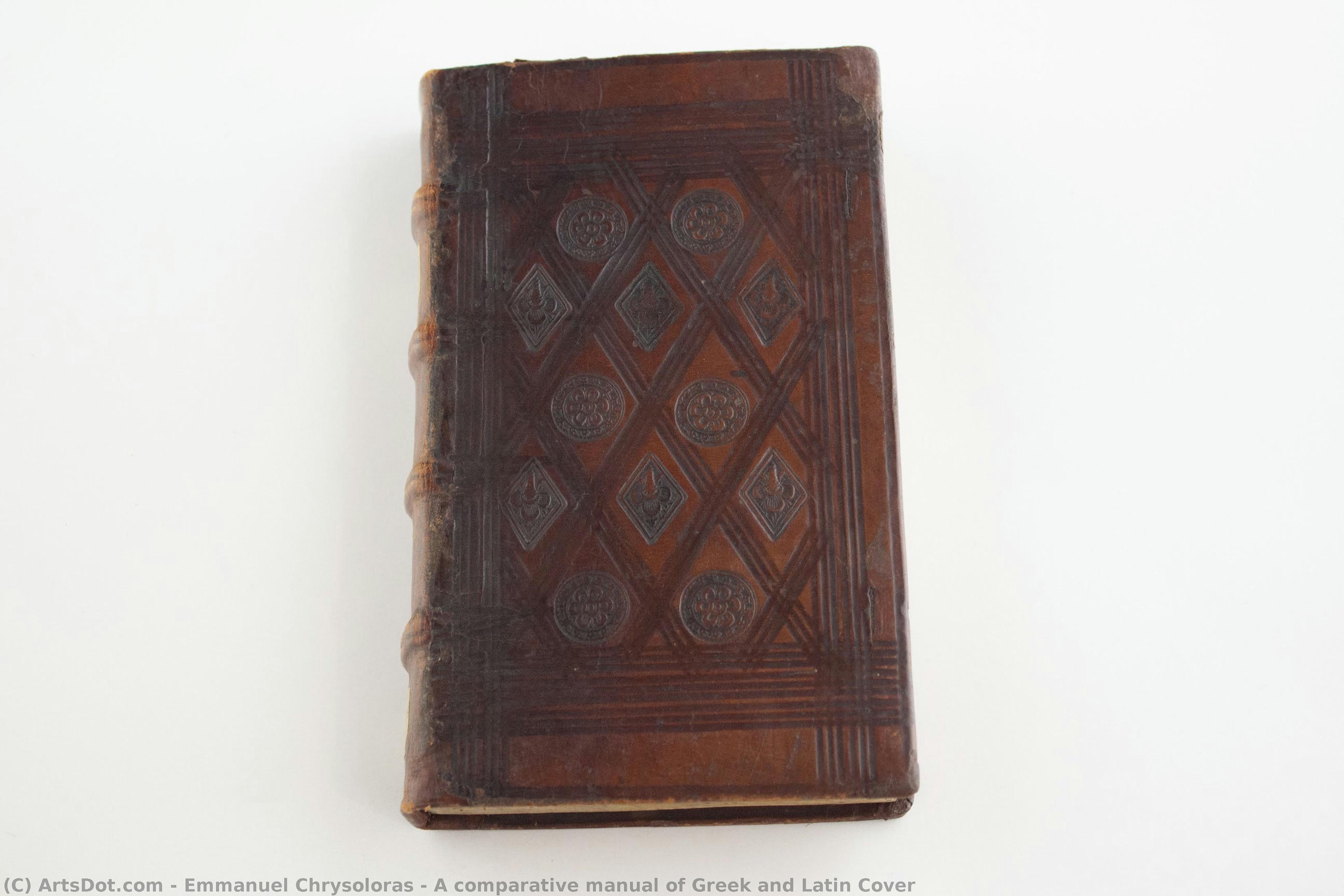
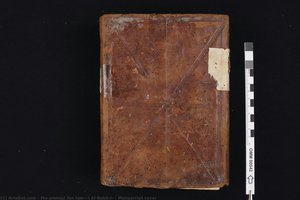
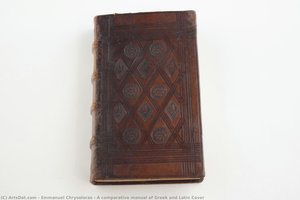
A comparative manual of Greek and Latin Cover

 Read More
Hand Made Oil Reproduction
Hand-painted oil on canvas in your size and frame, made to order by our artists. ( Buy Print Buy Image)




































Pick from our preset sizes that match the artwork's original proportions.

You may enter your own dimensions to fit a specific frame or space. If your selected size does not match the original image's proportions, we will either crop the artwork or extend the painting with additional hand-painted elements. A digital mockup will be sent for your approval before production begins.
Please note that the on-screen preview does not reflect the actual cropping or extension. Only the mockup will accurately show the final composition.
While custom sizes are available, we recommend selecting a dimension from the predefined list to preserve the original proportions.
After order, ArtsDot.com team will email client for instructions and provide a mockup preview
Worldwide Delivery () in 3/4 weeks instead of standard 5 weeks. (24 August). No compromise on quality.

Free Worldwide Express Shipping

High-Quality Linen Canvas

Full Shipping Insurance

Customs Tax Refund Guarantee

True Color Matching Guarantee

60-Day Return Policy (Defects Only)

100% Money-Back Guarantee

Bulk Discount Offer
 Glass option is only available in size under 110 CM

A comparative manual of Greek and Latin Cover
Reproduction Medium
Reproduction Size
-


Total Price
$ 263
Artwork Description
Related Artworks




Artist Biography
Emmanuel Chrysoloras: The Pioneer of Greek Learning in Renaissance Italy
Emmanuel Chrysoloras (c. 1350 – April 15, 1415) stands as a pivotal figure in European intellectual history—a Byzantine scholar who irrevocably altered the trajectory of Western thought by introducing ancient Greek literature and philosophy into the burgeoning humanist circles of Florence and Venice.
Born in Constantinople to a noble family steeped in Orthodox tradition, Chrysoloras possessed an exceptional intellect from a young age. His education encompassed mathematics, astronomy, medicine, and theology—disciplines that would prove invaluable as he embarked on his diplomatic mission to Italy during the tumultuous period of Ottoman expansion.
- The Venetian Embassy (1390-1395): Chrysoloras’s journey to Venice marked a turning point. Recognizing the urgent need for bolstering Byzantine defenses against Turkish incursions, Emperor Manuel II Palaiologos dispatched him alongside Demetrius Kydones to secure papal support. This diplomatic foray coincided with his initial encounters with Florentine Humanists like Roberto de’ Rossi and Jacopo d’Angelo—individuals who would become instrumental in fostering Chrysoloras's burgeoning reputation as a teacher.
- Florence and Salutati (1397-1400): Chrysoloras’s arrival in Florence was greeted with enthusiasm by Coluccio Salutati, the city’s chancellor, who established him as professor of Greek at the University—a landmark achievement. Among his students were luminaries like Pier Paolo Vergerio and Leonardo Bruni, whose intellectual pursuits would contribute significantly to the revival of classical scholarship.
- Diplomatic Service & Lombardy (1400-1403): Chrysoloras continued his imperial service in Lombardy, engaging in diplomatic negotiations aimed at securing alliances against Ottoman aggression. He collaborated closely with Manuel II’s advisors and pursued scholarly endeavors alongside his administrative duties.
- The Bolognese Years & Vergerio's Translation (1403-1410): Chrysoloras spent time in Bologna, where he befriended Alexander V—the antipope who convened the Council of Constance to resolve the papal schism. During this period, Chrysoloras mentored John XXIII’s secretary, Cencio de’ Rustici, furthering the dissemination of Greek knowledge.
- Final Journey & Legacy (1410-1415): Chrysoloras's final years were devoted to securing papal endorsement for the Council and overseeing the translation of Plato’s *Republic*—a collaborative effort with Vergerio that solidified Chrysoloras’s position as a champion of humanist ideals. He died in Constance in 1415, leaving behind an indelible mark on European intellectual history.
Chrysoloras's impact extended far beyond his immediate students and diplomatic engagements. His insistence on teaching Greek—a language largely forgotten in the West—catalyzed a profound transformation in scholarly pursuits. He championed the study of Greek texts, fostering a renewed appreciation for classical philosophy and literature—a legacy that profoundly shaped the intellectual landscape of Renaissance Italy and propelled the rediscovery of antiquity.
His work served as an inspiration for subsequent generations of humanist scholars who sought to revive the glories of Greco-Roman civilization. Chrysoloras’s unwavering dedication to preserving and disseminating Greek knowledge ensured that its influence would endure throughout Europe, cementing his place as one of the most influential figures in the dawn of modern Hellenism.
emmanuel chrysoloras
1415 , Greece
Quick Facts
- Artistic Movement Or Style: Renaissance Humanism
- Artists Or Movements Influenced By This Artist: ['Pier Paolo Vergerio']
- Artists Who Influenced This Artist: ['Roberto de’ Rossi']
- Date Of Death: 1415
- Full Name: Emmanuel Chrysoloras
- Nationality: Greek Orthodox
- Place Of Birth: Constantinople, Greece