

 Preview
 Send
Send Share
Share
 Details

 Download
 Similars
 X-Ray
X-Ray Diaporama
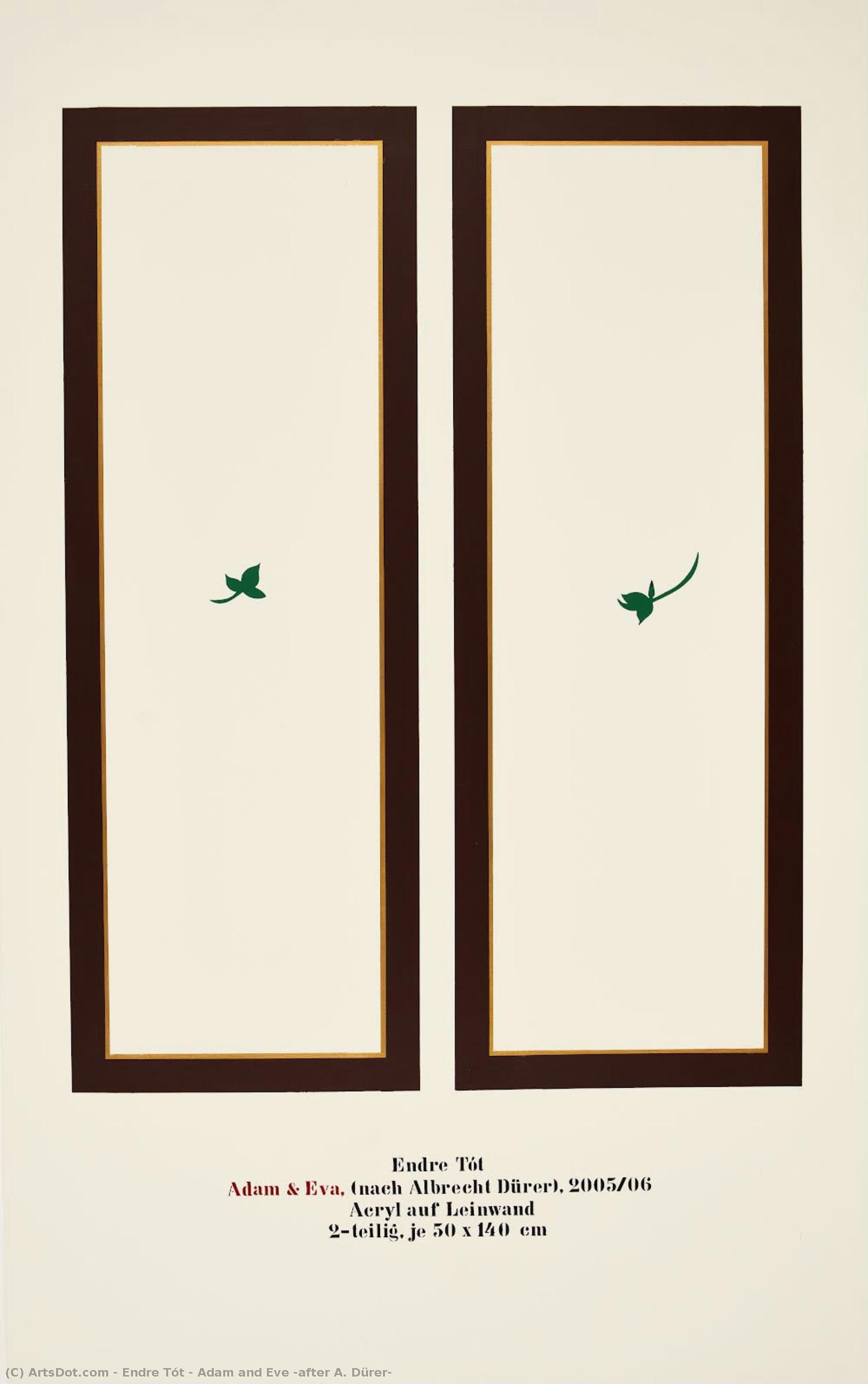
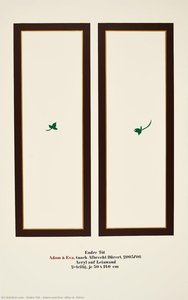
Adam and Eve (after A. Dürer)
 Conceptual Art
 2006
2006 200.0 x 125.0 cm
 Read More
Purchase a high-resolution, enhanced digital image, far superior to the online preview.
Each file is meticulously prepared by our in-house specialists using advanced tools and expert manual retouching. We ensure every image has exceptional clarity, precise color accuracy, and fine detail.
The final file is delivered via email within 72 hours, optimized for immediate use in professional, editorial, and print environments. This is the same quality trusted by top-tier design studios, publishers, and galleries.
Digital Image
Download a high-resolution file for personal display, printing, and creative projects. ( Buy Print Buy Hand Made Painting)
Included in Every Digital Image Order
Expert Digital Delivery, Guaranteed
When you choose ArtsDot.com, you're not just getting an image - you're receiving a professionally enhanced digital artwork, crafted with precision and backed by a satisfaction guarantee. Here's everything that comes with your order, automatically:

Fast Email Delivery
Your high-resolution digital image file will be emailed to you within 72 hours of ordering - ready for immediate use.

AI-Enhanced Digital File
Your artwork is professionally optimized using advanced AI tools and manual editing, ensuring maximum detail, clarity, and color accuracy.

Free Lifetime Re-Delivery
Accidentally deleted or lost your file? No worries - we'll resend it to you anytime, free of charge.

No Import Fees - Ever
Enjoy your artwork instantly with zero customs, duties, or delivery fees - digital downloads are always tax-free.

Color Accuracy Guarantee
We ensure your digital image reflects the original colors as closely as possible using professional tools and color management.

100-Day Satisfaction Guarantee
If you're not satisfied with your digital image, we'll revise it or refund 100% within 100 days - no questions asked.

100% Money-Back Guarantee
Not satisfied? Get a full refund within 100 days of receiving your digital file - no questions asked.

Bulk Order Discounts
Buy 3 images, save 10% - Buy 5, save 15% - Buy 10+, save 20%. Great for creative projects, galleries, and agencies.
Related Artworks
Artist Biography
The Architect of Absence: The Radical Vision of Endre Tót
In the landscape of twentieth-century avant-garde art, few figures possess the subversive wit and conceptual depth of Endre Tót. Born in 1937 in Szégyenfa, Hungary, Tót emerged from a period of intense political and social rigidity to become a pioneer of the Fluxus movement and a master of Conceptual Art. His journey began not with the void, but with the tactile richness of lyrical calligraphy and mural art. Studying at Budapest’s University of May Applied Arts between 1959 and 1965, he cultivated a foundational mastery of form and color that would later serve as the essential scaffolding for his radical deconstruction of the medium itself.
The early 1960s saw Tót navigating the vibrant yet precarious world of Art Informel. During this era, his canvases were alive with geometric explorations and muted palettes, reflecting a burgeoning interest in the abstract sensibilities of the time. However, as he became entwined with the Iparterv Group of Artists, a collective of young neo-avant-garde rebels, his work began to pivot away from the traditional canvas. By the turn of the decade, around 1970–1971, Tót underwent a profound artistic metamorphosis. He famously abandoned the act of painting to embrace what he termed "absent pictures"—works that utilized nothingness and absence as their primary expressive poles.
Beyond the Canvas: Mail Art and the Language of Resistance
Tót’s transition into conceptualism was far more than a stylistic shift; it was a political and philosophical declaration. Seeking to make his practice “TÓTally against official art,” he turned toward ephemeral and non-traditional media that could bypass the stifling censorship of the era. He became an emblematic figure in the Mail Art movement, utilizing telegrams, postcards, and banners to create a global network of communication that defied state control. Through the use of xerox copies and rubber stamps, he disseminated text-based works that interrogated the very nature of language, privacy, and isolation.
His technique during this period was characterized by a brilliant simplicity. By employing tools like the rubber stamp, Tót could replicate conceptual declarations—such as his poignant "We are glad if we are happy"—transforming mundane office supplies into instruments of poetic resistance. This approach allowed him to address heavy themes of totalitarianism and state surveillance through a lens of irony and minimalism. His work during these years often explored:
- The Concept of Nothingness: Utilizing blank spaces and "unpainted" canvases to challenge the viewer's expectation of content.
- Communication as Art: Using the postal system to foster international dialogue and disrupt traditional gallery hierarchies.
- Linguistic Play: Interrogating how signs, symbols, and text function within a controlled social environment.
Legacy of the Unseen
The historical significance of Endre Tót lies in his ability to find profound meaning in the void. While many artists sought to fill the world with imagery, Tót found power in what was missing. His later works, including installations, film, and video, continued this investigation into the relationship between art and everyday life. Even as he moved toward more complex installations, the core of his philosophy remained rooted in the tension between presence and absence.
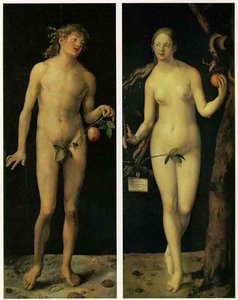
Today, Tót is recognized not just as a Hungarian master, but as a global icon of the Fluxus spirit. His ability to distill complex socio-political critiques into minimalist, often humorous visual elements remains a testament to his genius. Whether through a subtle bird motif in a piece like “Adam & Eve” (after Dürer) or the stark emptiness of his "absent images," Tót’s oeuvre continues to challenge us to look closer at the spaces between things, reminding us that sometimes, the most profound truths are found in what is left unsaid.
endre tót
1937 - , Hungary
Quick Facts
- Artistic Movement Or Style: Conceptual art & Fluxus
- Artists Or Movements Influenced By This Artist: ['Fluxus']
- Artists Who Influenced This Artist: ['Albrecht Dürer']
- Date Of Birth: November 5th, 1937
- Full Name: Endre Tot
- Nationality: Hungarian
- Notable Artworks:
- Adam & Eve (after A. Dürer)
- Adam in Paradise without Eve
- Place Of Birth: Szégyenfa, Hungary