 Preview
 Send
Send Share
Share
 Details

 Download
 Similars
 X-Ray
X-Ray Diaporama
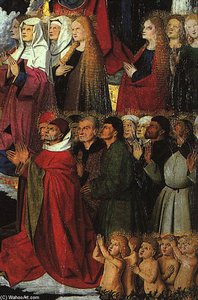
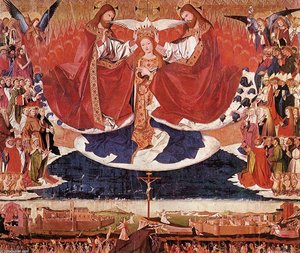
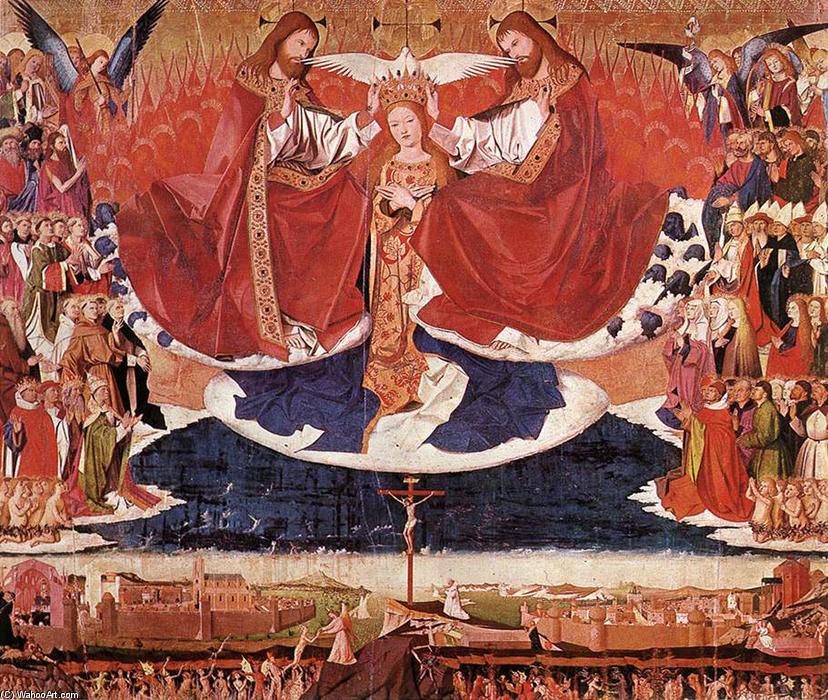
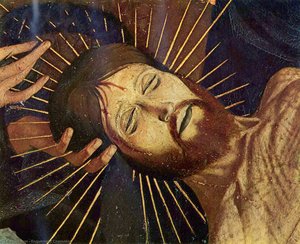
The Coronation of Mary
 1454
1454 183.0 x 220.0 cm
 Musée de l'Hospice
 Read More
Hand Made Oil Reproduction
Hand-painted oil on canvas in your size and frame, made to order by our artists. ( Buy Print Buy Image)




































Pick from our preset sizes that match the artwork's original proportions.

You may enter your own dimensions to fit a specific frame or space. If your selected size does not match the original image's proportions, we will either crop the artwork or extend the painting with additional hand-painted elements. A digital mockup will be sent for your approval before production begins.
Please note that the on-screen preview does not reflect the actual cropping or extension. Only the mockup will accurately show the final composition.
While custom sizes are available, we recommend selecting a dimension from the predefined list to preserve the original proportions.
After order, ArtsDot.com team will email client for instructions and provide a mockup preview
Worldwide Delivery () in 3/4 weeks instead of standard 5 weeks. (21 August). No compromise on quality.

Free Worldwide Express Shipping

High-Quality Linen Canvas

Full Shipping Insurance

Customs Tax Refund Guarantee

True Color Matching Guarantee

60-Day Return Policy (Defects Only)

100% Money-Back Guarantee

Bulk Discount Offer
 Glass option is only available in size under 110 CM

The Coronation of Mary
Reproduction Medium
Reproduction Size
-


Total Price
$ 263
Related Artworks
Artist Biography
Enguerrand Charonton: A Forgotten Master of Provençal Renaissance
Enguerrand Quarton, as he was also known – a name often intertwined and sometimes obscured by the passage of time – stands as a pivotal figure in the development of 15th-century French art. Born in Laon around 1410 and tragically dying in Avignon circa 1466, Charonton’s career unfolded during a period of intense artistic ferment, bridging the Gothic traditions of his youth with the burgeoning influences of Italy and the Netherlands. While he remains relatively unknown to the general public today, art historians increasingly recognize him as one of the most significant artists of his era, particularly for his profoundly moving Pietàs and meticulously rendered religious scenes.
Charonton’s early life is shrouded in some mystery. Records suggest he was trained within the Picardy region, a center renowned for its skilled artisans. However, around 1444, he migrated south to Provence – a region that would become indelibly linked to his artistic legacy. This move coincided with a period of significant political and cultural change; Avignon had served as the seat of the papacy during the Western Schism, attracting a diverse population including Italian merchants and artists. This cosmopolitan environment undoubtedly shaped Charonton’s artistic sensibilities, exposing him to a wide range of stylistic influences.
The Two Defining Works: *Coronation of the Virgin* and *Virgin of Mercy*
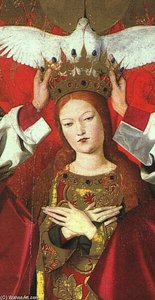
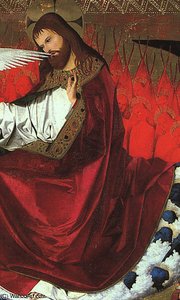
Despite his active career spanning nearly two decades, only two paintings are definitively attributed to Charonton with absolute certainty. These remarkable works – the *Coronation of the Virgin* (1453-54) and the *Virgin of Mercy* (1452) – offer invaluable insights into his artistic style and technical prowess. The *Coronation of the Virgin*, housed in Villeneuve-les-Avignon, is a monumental altarpiece that exemplifies Charonton’s masterful command of composition, color, and perspective. It's a complex work, deeply rooted in both Gothic and Italian traditions. The depiction of the Trinity – an unusual feature for the time – is particularly striking, presenting God the Father, Son, and Holy Spirit as identical figures, a concept reflecting theological debates prevalent during Charonton’s lifetime.
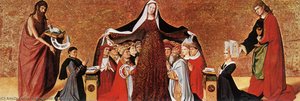
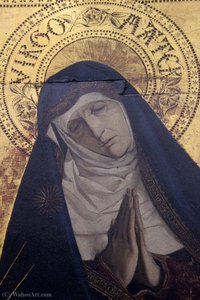
The *Virgin of Mercy*, now residing in the Musée Condé at Chantilly, offers a more intimate yet equally compelling portrait of the Virgin Mary. This panel painting showcases Charonton's ability to imbue his figures with profound emotional depth and psychological realism. The contract for this work reveals a collaborative effort between Charonton and Pierre Villate, highlighting the artist’s willingness to engage in partnerships that enhanced his creative vision. The painting’s use of muted colors and subtle shading contributes to its serene and contemplative atmosphere.
Influences and Artistic Style
Charonton's artistic style is characterized by a unique synthesis of influences. He absorbed the monumental scale and sculptural qualities of Gothic art from his early training, while simultaneously embracing the innovations introduced by Italian Renaissance painters – particularly in terms of perspective and color theory. The influence of the Netherlands is also evident in his use of linear patterning and meticulous detail. His works are not simply decorative; they possess a profound sense of depth and spatial awareness, reflecting a sophisticated understanding of artistic principles.
Notably, Charonton’s work demonstrates an early adoption of techniques that would later become hallmarks of the French Renaissance. He skillfully blended religious iconography with humanist ideals, creating images that were both spiritually evocative and aesthetically pleasing. His meticulous attention to detail—particularly in rendering facial features and drapery—is a testament to his artistic skill and dedication.
The Avignon Pietà: A Legacy Reclaimed
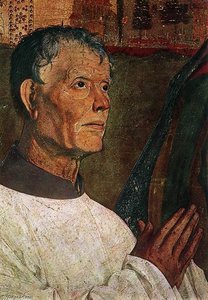
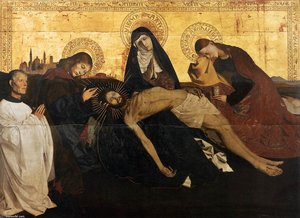
Perhaps the most significant aspect of Charonton’s legacy is the ongoing debate surrounding the attribution of the *Pietà of Villeneuve-les-Avignon* in the Louvre Museum. For decades, this masterpiece was widely considered to be the work of Jean Fouquet. However, recent scholarship has increasingly supported the theory that Charonton was its true creator. The stylistic similarities between the *Pietà* and Charonton’s other works—particularly the emotional intensity of the figures and the sophisticated use of color—are compelling evidence in favor of this attribution. The Louvre now largely accepts this view, recognizing Charonton as a key figure in the development of French Renaissance art.
Enguerrand Quarton's story is one of artistic rediscovery. Despite being largely forgotten for centuries, his paintings continue to captivate viewers with their beauty, emotional depth, and profound spiritual resonance. His work stands as a testament to the enduring power of art to transcend time and connect us to the human experience.
enguerrand charonton
1412 - 1466 , France
Quick Facts
- Artistic Movement Or Style: School of Provence
- Artists Or Movements Influenced By This Artist: ['Subsequent Provençal painting']
- Artists Who Influenced This Artist:
- Simone Martini
- Jean Fouquet
- Date Of Birth: c. 1410, Laon
- Date Of Death: c. 1466, Avignon
- Full Name: Enguerrand Quarton
- Nationality: French
- Notable Artworks:
- Coronation of the Virgin
- Virgin of Mercy
- Avignon Pietà
- Place Of Birth: Laon, France