 Preview
 Send
Send Share
Share
 Details

 Download
 Similars
 X-Ray
X-Ray Diaporama
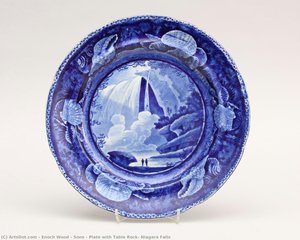
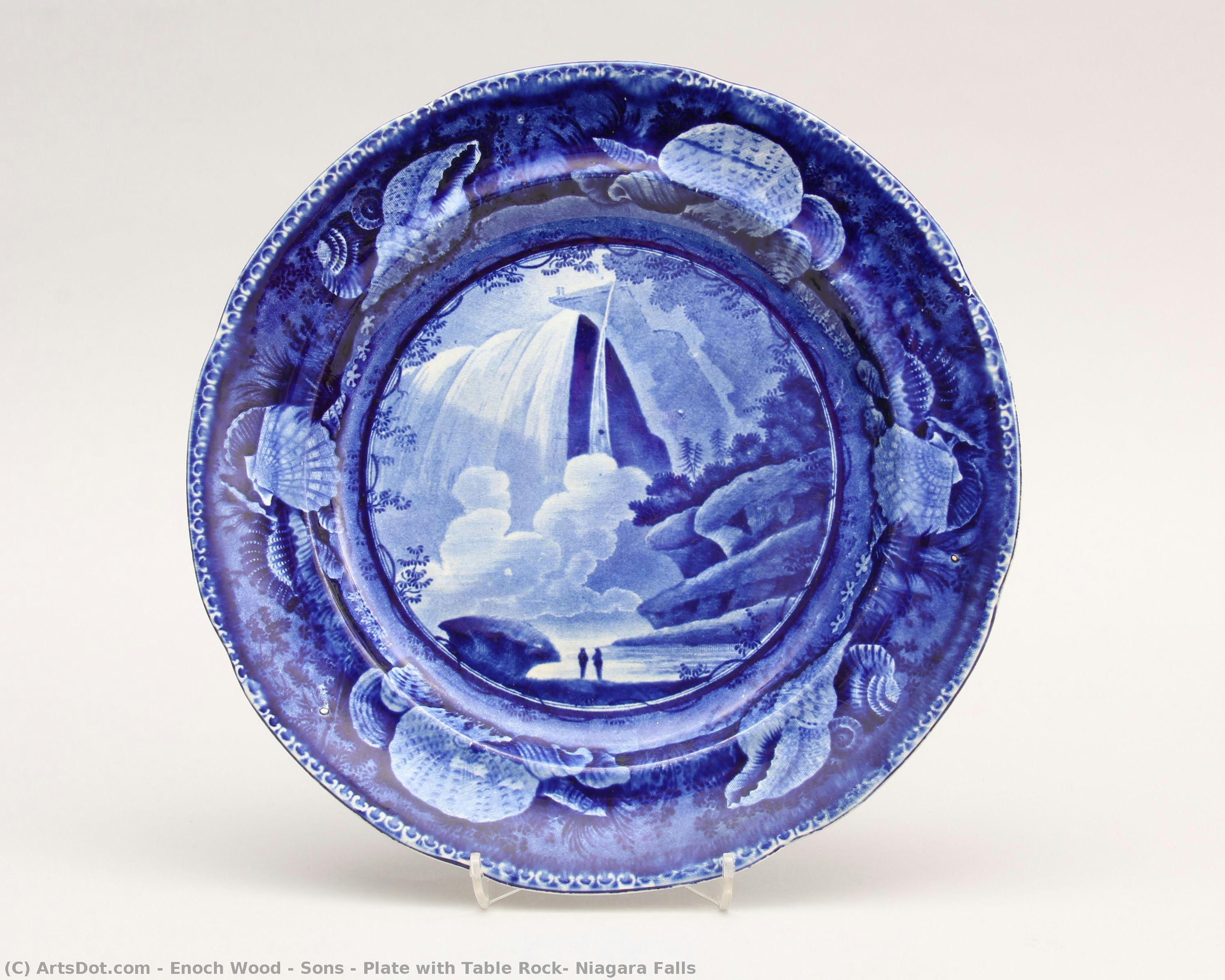
Plate with Table Rock, Niagara Falls
 1840
1840 2.0 x 26.0 cm
 Gardiner Museum of Ceramic Art
 Read More
Hand Made Oil Reproduction
Hand-painted oil on canvas in your size and frame, made to order by our artists. ( Buy Print Buy Image)




































Pick from our preset sizes that match the artwork's original proportions.

You may enter your own dimensions to fit a specific frame or space. If your selected size does not match the original image's proportions, we will either crop the artwork or extend the painting with additional hand-painted elements. A digital mockup will be sent for your approval before production begins.
Please note that the on-screen preview does not reflect the actual cropping or extension. Only the mockup will accurately show the final composition.
While custom sizes are available, we recommend selecting a dimension from the predefined list to preserve the original proportions.
After order, ArtsDot.com team will email client for instructions and provide a mockup preview
Worldwide Delivery () in 3/4 weeks instead of standard 5 weeks. (27 August). No compromise on quality.

Free Worldwide Express Shipping

High-Quality Linen Canvas

Full Shipping Insurance

Customs Tax Refund Guarantee

True Color Matching Guarantee

60-Day Return Policy (Defects Only)

100% Money-Back Guarantee

Bulk Discount Offer
 Glass option is only available in size under 110 CM

Plate with Table Rock, Niagara Falls
Reproduction Medium
Reproduction Size
-


Total Price
$ 263
Related Artworks








Artist Biography
Enoch Wood & Sons: Shaping Staffordshire Pottery’s Legacy
Enoch Wood & Sons stands as a testament to Victorian craftsmanship and entrepreneurial spirit, representing more than just a pottery company; it embodies the very essence of British industrial heritage. Founded in 1790 by enoch wood—a skilled modeller and astute businessman—the firm quickly ascended to prominence, establishing itself as one of Staffordshire’s leading producers of earthenware and transferring its influence across continents. This article delves into the remarkable story of Wood & Sons, exploring their artistic achievements, technological innovations, and enduring impact on the art world.- Early Life and Artistic Training: Enoch Wood's formative years were steeped in the traditions of Staffordshire pottery. Born to Aaron Wood—a celebrated potter himself—he benefited from a family legacy of artistic excellence. Recognizing his talent for drawing and anatomy, he pursued formal education with the Caddick family in Liverpool, honing his observational skills crucial for capturing the beauty of form and texture. His apprenticeship under Humphrey Palmer cemented his technical mastery, equipping him with the knowledge necessary to transform clay into stunning sculptural creations.
- The Establishment of Wood & Sons: The partnership between Enoch Wood and James Caldwell marked a pivotal moment in Staffordshire’s ceramic history. Recognizing the potential for growth, they pooled their resources and established Fountain Place Works—a sprawling facility that would become synonymous with innovation and quality. Caldwell's legal expertise complemented Wood’s artistic vision, fostering an environment conducive to experimentation and success.
- Notable Achievements: Wood & Sons achieved international acclaim thanks to their distinctive blue transfer-printed tableware. These intricately decorated plates—featuring scenes from the English countryside like “Platter, ca. 1828-1846”—became prized possessions in American households, demonstrating Wood’s ability to translate artistic concepts into commercially viable products. Furthermore, their involvement in mining operations ensured a consistent supply of fuel for the factory, bolstering productivity and maintaining Staffordshire's position as a center of ceramic production.
- Artistic Style and Technique: Enoch Wood’s sculptural prowess was evident in his prolific output of Staffordshire figures—particularly Toby Jugs—which captured the spirit of Victorian England. His meticulous attention to detail—combined with an understanding of anatomy and proportion—resulted in remarkably lifelike representations that continue to fascinate collectors today. The firm's success hinged on mastering techniques like slip casting and glazing, ensuring consistent quality and durability across its diverse range of wares.
- Legacy and Influence: Enoch Wood & Sons’ contribution to British ceramic art extends far beyond its production output. It served as a catalyst for the development of Staffordshire pottery as an artistic medium, inspiring subsequent generations of sculptors and craftsmen. The firm's enduring reputation—secured by institutions like Hall i' th' Wood Museum—solidifies its place in the annals of industrial history and celebrates the transformative power of blending artistry with entrepreneurial ambition.
Exploring Their Artistic Output
The company’s blue transfer-printed tableware, exemplified by “Sauceboat, c. 1840, showing a pass in the catskill mountains,” stands as a remarkable achievement of Victorian decorative arts. These plates showcased intricate landscapes and pastoral scenes—a deliberate reflection of Staffordshire's rural heritage—demonstrating Wood’s artistic vision and his ability to engage audiences with evocative imagery. The meticulous application of transfer printing—a technique pioneered by Wood & Sons—transformed plain earthenware into canvases of color and detail, elevating Staffordshire pottery beyond mere utilitarian function.Hall i' th' Wood Museum: A Window Into Staffordshire’s Ceramic Past
A visit to Hall i' th' Wood Museum offers invaluable insight into the history of Staffordshire pottery and Samuel Crompton’s legacy—the inventor of the Spinning Mule. The museum houses a stunning collection of ceramics from the 17th century, alongside exhibits celebrating Crompton’s contribution to the Industrial Revolution, highlighting the interconnectedness of artistic innovation and technological advancement.Enoch Wood & Sons: Shaping Staffordshire Potteries
The Bycars Colliery—a vital component of Wood & Sons' operational infrastructure—provided a consistent supply of fuel for firing the factory’s ovens, underpinning its productivity and securing Staffordshire’s position as a global leader in ceramic production. This symbiotic relationship between industry and art exemplifies the spirit of Victorian England—where creativity flourished alongside economic progress.Conclusion
Enoch Wood & Sons' enduring legacy resides not only in its impressive output but also in its role as an incubator for artistic talent and innovation. Its contribution to British ceramic art continues to inspire admiration and scholarship, ensuring that the story of this remarkable company—and its profound impact on Staffordshire’s cultural heritage—will endure for generations to come.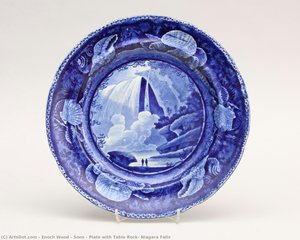
Enoch Wood & Sons
1790 - 1845 , United Kingdom
Quick Facts
- Artistic Movement Or Style: Staffordshire Pottery
- Artists Or Movements Influenced By This Artist: ['Victorian Pottery']
- Artists Who Influenced This Artist: ['Humphrey Palmer']
- Date Of Death: 1845
- Full Name: Enoch Wood & Sons
- Nationality: British
- Notable Artworks:
- Plate with Table Rock, Niagara Falls
- Sauceboat, c. 1840
- Place Of Birth: United Kingdom