 Preview
 Send
Send Share
Share
 Details

 Download
 Similars
 X-Ray
X-Ray Diaporama
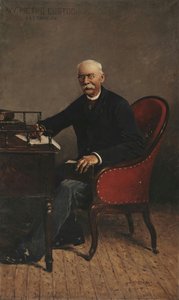
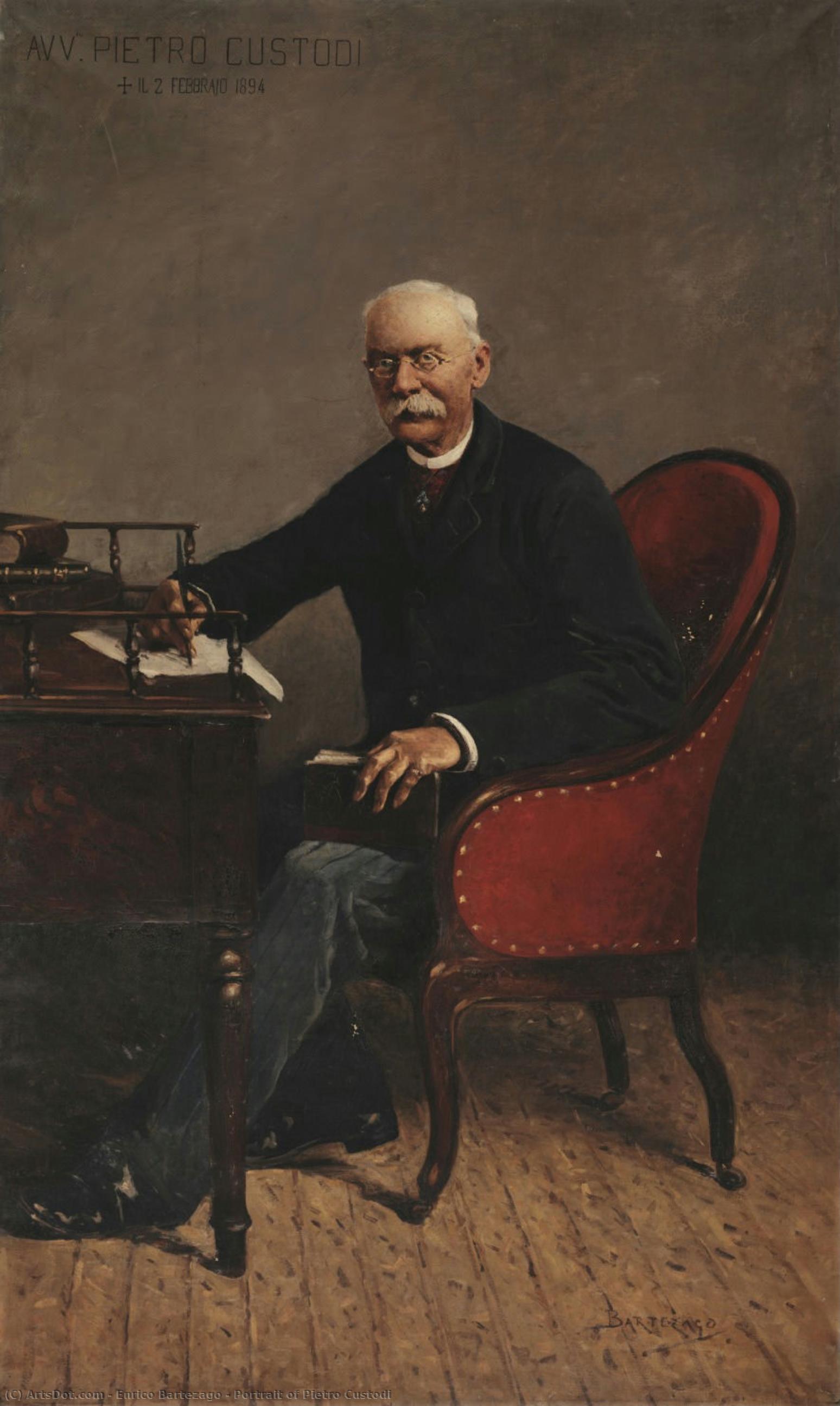
Portrait of Pietro Custodi
 1894
1894 196.0 x 121.0 cm
 Ca’ Granda – Ospedale Maggiore Policlinico
 Read More
Giclée / Art Print
Museum-quality giclée or canvas print with fast production and flexible finish options. ( Buy Hand Made Painting Buy Image)




































Pick from our preset sizes that match the artwork's original proportions.

You may enter your own dimensions to fit a specific frame or space. If your selected size does not match the original image's proportions, we will either crop the artwork or extend the image with a mirrored or solid-fill edge. A digital mockup will be sent for your approval before production begins.
Please note that the on-screen preview does not reflect the actual cropping or extension. Only the mockup will accurately show the final composition.
While custom sizes are available, we recommend selecting a dimension from the predefined list to preserve the original proportions.
Worldwide Delivery () in 2 weeks instead of standard 4/5 weeks. (24 August)

Free Worldwide Express Shipping

High-Quality Linen Canvas

Full Shipping Insurance

Customs Tax Refund Guarantee

True Color Matching Guarantee

60-Day Return Policy (Defects Only)

100% Money-Back Guarantee

Bulk Discount Offer
 Glass option is only available in size under 110 CM

Portrait of Pietro Custodi
Giclée / Art Print
Reproduction Size
-


Total Price
$ 63
Collectible Description
Related Artworks







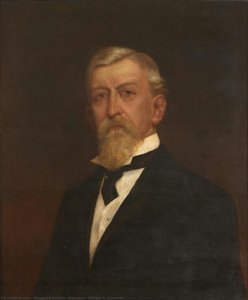
Artist Biography
Benjamin West: Bridging America and the Neoclassical Ideal
Born in Springfield, Pennsylvania, in 1738 – a location now recognized as Swarthmore – Benjamin West’s life was one of remarkable transatlantic movement and artistic evolution. His early years were marked by a self-taught apprenticeship, nurtured by his parents who recognized his innate talent for drawing. This foundational period, steeped in the traditions of colonial America and informed by his family's innkeeping roots, laid the groundwork for a career that would ultimately transcend national boundaries and establish him as a pivotal figure in both American and European art history. West’s story is not simply one of artistic achievement; it’s a testament to ambition, adaptability, and the forging of connections across cultures.
West's initial exposure to formal artistic training came through his father’s encouragement, leading him to study under William Smith, the provost of Philadelphia College. This early education provided a crucial grounding in classical learning, fueling West’s aspiration to become a history painter – a genre then experiencing a resurgence across Europe. His decision to embark on a journey to Italy in 1760 proved transformative. He immersed himself in the artistic circles of Rome, encountering influential figures like Gavin Hamilton and Anton Raphael Mengs, absorbing the tenets of Neoclassicism while simultaneously retaining his own distinctly American sensibility. This period wasn’t merely about imitation; it was a process of synthesis – blending the rigorous ideals of classical antiquity with the burgeoning spirit of the Enlightenment.
The Rise to Prominence in London
Returning to England in 1763, West swiftly established himself as a prominent artist. His initial success stemmed from his ability to capture the likenesses of wealthy patrons and nobility, but it was his foray into history painting that truly cemented his reputation. The pivotal moment arrived with *The Death of Nelson* (1770), an epic canvas depicting the aftermath of the Battle of Trafalgar. This work, initially met with skepticism due to its depiction of contemporary military attire – a bold departure from traditional historical representations – quickly gained widespread acclaim and established West as a leading figure in the British art world. The painting’s popularity was further amplified by its numerous replicas, transforming it into a cultural phenomenon.
West's appointment as Historical Painter to the Court of King George III in 1772 marked a significant elevation of his status and influence. This position afforded him unparalleled access to royal commissions and provided a platform for showcasing his artistic vision. He skillfully navigated the complex social landscape of London, cultivating relationships with influential figures – including John Galt, with whom he collaborated on a memoir documenting his life and career – and establishing himself as a respected member of the Royal Academy, which he co-founded in 1768.
A Revolutionary Approach to History Painting
West’s approach to history painting was revolutionary for its time. He didn't simply reproduce historical events; he sought to capture the drama and emotion inherent within them. *The Death of Wolfe* (1770), arguably his most celebrated work, exemplifies this ambition. The composition is dynamic and theatrical, conveying a sense of immediacy and pathos. West’s masterful use of light and shadow, combined with his meticulous attention to detail, created an image that was both historically accurate and emotionally resonant. This departure from the more static and idealized representations prevalent in earlier history paintings signaled a shift towards a more dramatic and engaging style.
Furthermore, West's influence extended beyond mere technique; he actively encouraged and mentored a generation of American artists who traveled to London for training. Figures like Gilbert Stuart, Charles Willson Peale, and John Trumbull benefited immensely from his guidance and access to the artistic circles of the city. West’s legacy as a ‘father of American painting’ is therefore deeply intertwined with the development of the nation's artistic identity.
Later Years and Legacy
In his later years, West continued to experiment with different styles, embracing Romanticism in works such as *Saul and the Witch of Endor* (1777). Despite facing internal conflicts within the Royal Academy, he remained a prolific artist until his death in 1820. His artistic output spanned a remarkable range of subjects – from portraits to historical scenes to religious compositions – reflecting his versatility and enduring creative spirit.
Benjamin West’s impact on art history is profound. He bridged the gap between American and European artistic traditions, fostering cross-cultural exchange and inspiring generations of artists. His innovative approach to history painting, coupled with his astute understanding of patronage and social dynamics, cemented his place as one of the most influential figures in 18th and 19th-century art. His story remains a compelling illustration of ambition, artistic evolution, and the transformative power of cultural connection.
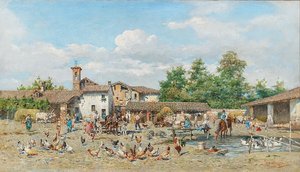
enrico bartezago
1820 - 1905 , Switzerland
Quick Facts
- Artistic Movement Or Style: Neoclassicism, Romanticism
- Artists Or Movements Influenced By This Artist:
- Copley
- Allston
- Artists Who Influenced This Artist: ['Benjamin West']
- Date Of Birth: 10 Oct 1738
- Date Of Death: 11 Mar 1820
- Full Name: Benjamin West
- Nationality: American
- Notable Artworks:
- Death of Wolfe
- Treaty of Paris
- Agrippina Landing
- Place Of Birth: Springfield, PA