
- Home

- Digital Image
- enrico del debbio (1881-1973), arnaldo foschini (1885-1968), vittorio ballio morpurgo (1890-1966)
 Preview
 Send
Send Share
Share
 Details

 Download
 Similars
 X-Ray
X-Ray Diaporama
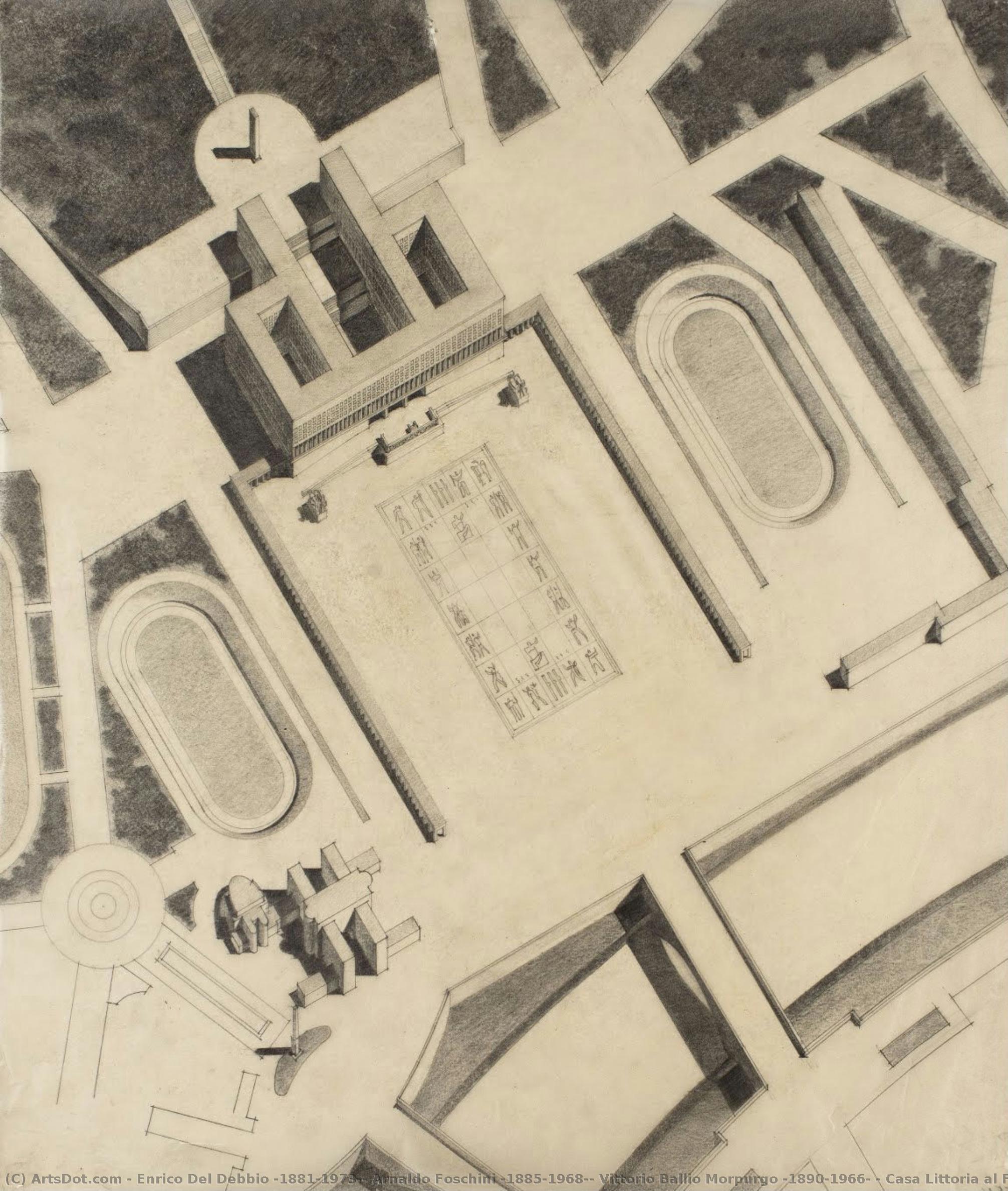
Casa Littoria al Foro Mussolini: assonometria generale della seconda soluzione
 41.0 x 48.0 cm
 Ministero degli Affari Esteri e della Cooperazione Internazionale. Collezione Farnesina
 Read More
Purchase a high-resolution, enhanced digital image, far superior to the online preview.
Each file is meticulously prepared by our in-house specialists using advanced tools and expert manual retouching. We ensure every image has exceptional clarity, precise color accuracy, and fine detail.
The final file is delivered via email within 72 hours, optimized for immediate use in professional, editorial, and print environments. This is the same quality trusted by top-tier design studios, publishers, and galleries.
Digital Image
Download a high-resolution file for personal display, printing, and creative projects. ( Buy Print Buy Hand Made Painting)
Included in Every Digital Image Order
Expert Digital Delivery, Guaranteed
When you choose ArtsDot.com, you're not just getting an image - you're receiving a professionally enhanced digital artwork, crafted with precision and backed by a satisfaction guarantee. Here's everything that comes with your order, automatically:

Fast Email Delivery
Your high-resolution digital image file will be emailed to you within 72 hours of ordering - ready for immediate use.

AI-Enhanced Digital File
Your artwork is professionally optimized using advanced AI tools and manual editing, ensuring maximum detail, clarity, and color accuracy.

Free Lifetime Re-Delivery
Accidentally deleted or lost your file? No worries - we'll resend it to you anytime, free of charge.

No Import Fees - Ever
Enjoy your artwork instantly with zero customs, duties, or delivery fees - digital downloads are always tax-free.

Color Accuracy Guarantee
We ensure your digital image reflects the original colors as closely as possible using professional tools and color management.

100-Day Satisfaction Guarantee
If you're not satisfied with your digital image, we'll revise it or refund 100% within 100 days - no questions asked.

100% Money-Back Guarantee
Not satisfied? Get a full refund within 100 days of receiving your digital file - no questions asked.

Bulk Order Discounts
Buy 3 images, save 10% - Buy 5, save 15% - Buy 10+, save 20%. Great for creative projects, galleries, and agencies.
Related Artworks









Artist Biography
The Collaborative Vision of Del Debbio, Foschini & Morpurgo: Shaping Modern Rome
The architectural landscape of 20th-century Italy bears the indelible mark of collaborative endeavors as much as individual genius. Among the most significant partnerships was that of Enrico del Debbio, Arnaldo Foschini, and Vittorio Ballio Morpurgo – three architects whose combined vision profoundly shaped the face of Rome, particularly during the Fascist era. While each possessed a distinct artistic trajectory, their shared commitment to Italian Rationalism resulted in iconic structures that continue to define the city’s aesthetic identity.
Early Lives and Formation: A Foundation in Classicism
Enrico del Debbio, born in Piacenza in 1881, laid the groundwork for the trio's future work through his rigorous academic training at the University of Rome. He initially embraced a classicist approach, deeply influenced by the grandeur of Roman antiquity. Arnaldo Foschini, also a product of the University of Rome (born in 1885), similarly began his career steeped in traditional architectural principles. Vittorio Ballio Morpurgo, arriving on the scene slightly later with a birth year of 1890, quickly became recognized as a leading figure within the burgeoning Rationalist movement. Morpurgo’s early work demonstrated a keen understanding of modern materials and forms, setting him apart while simultaneously creating fertile ground for collaboration.
The Rise of Italian Rationalism & The Fascist Context
The 1930s witnessed the ascendance of Italian Rationalism – an architectural style characterized by its emphasis on functionality, geometric clarity, and the use of modern materials like reinforced concrete. This movement wasn’t merely aesthetic; it was deeply intertwined with the political ambitions of Benito Mussolini's Fascist regime. The regime sought to project an image of strength, order, and technological prowess through monumental public works. Del Debbio, Foschini, and Morpurgo found themselves at the forefront of this endeavor, tasked with translating the ideological imperatives of Fascism into tangible architectural forms.
The Palazzo della Farnesina & Collaborative Masterpieces
Perhaps the most enduring testament to their collaborative spirit is the Palazzo della Farnesina, originally conceived as the Casa Littoria. This project, commissioned in 1935, became a symbol of Fascist architectural ambition and remains today the Italian Ministry of Foreign Affairs. Del Debbio took the lead on the overall design, but Foschini’s expertise in detailing and Morpurgo's innovative approach to spatial organization were crucial to its success. The building exemplifies Rationalism’s characteristic features: clean lines, symmetrical facades, and a deliberate rejection of excessive ornamentation. The use of travertine, a material historically associated with Roman power, subtly connected the new structure to the city’s ancient past.
- Foro Italico: The trio also played a pivotal role in the design and construction of the Foro Italico (formerly Mussolini Forum), a vast sports complex intended to showcase Italy's athletic prowess. Del Debbio oversaw the urban planning, while Foschini and Morpurgo contributed to the design of individual structures within the complex.
- Ministero degli Affari Esteri: Their work on the Ministry of Foreign Affairs demonstrates a sophisticated understanding of how architecture could convey political messages through form and material.
Legacy & Historical Significance
The legacy of Del Debbio, Foschini, and Morpurgo is complex and often debated. Their association with the Fascist regime casts a long shadow over their achievements. However, it’s undeniable that they were exceptionally talented architects who left an indelible mark on Rome's urban fabric. Their buildings represent a significant chapter in the history of Italian architecture, showcasing the power of Rationalism to synthesize classical traditions with modern aesthetics. They successfully created structures that embodied both continuity and change, reflecting the ambitions – and contradictions – of their time. While later generations have critically re-evaluated the political context surrounding their work, the enduring beauty and functional elegance of their designs continue to inspire architects and captivate visitors alike. Del Debbio passed away in 1973, as did Foschini; Morpurgo preceded them in death in 1966, leaving behind a body of work that continues to be studied and admired for its technical brilliance and historical importance.
Quick Facts
- Artistic Movement Or Style: Rationalist Architecture
- Artists Or Movements Influenced By This Artist: ['']
- Artists Who Influenced This Artist: ['']
- Date Of Birth: 1881-Rome
- Date Of Death: 1973
- Full Name: Enrico del Debbio & Arnaldo Foschini & Vittorio Morpurgo
- Nationality: Italian
- Notable Artworks: ['Casa Littoria al Foro Mussolini']
- Place Of Birth: Piacenza, Italy