 Preview
 Send
Send Share
Share
 Details

 Download
 Similars
 X-Ray
X-Ray Diaporama
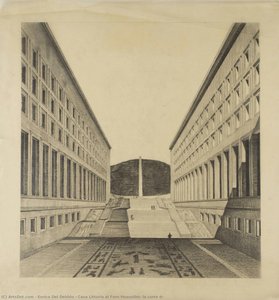
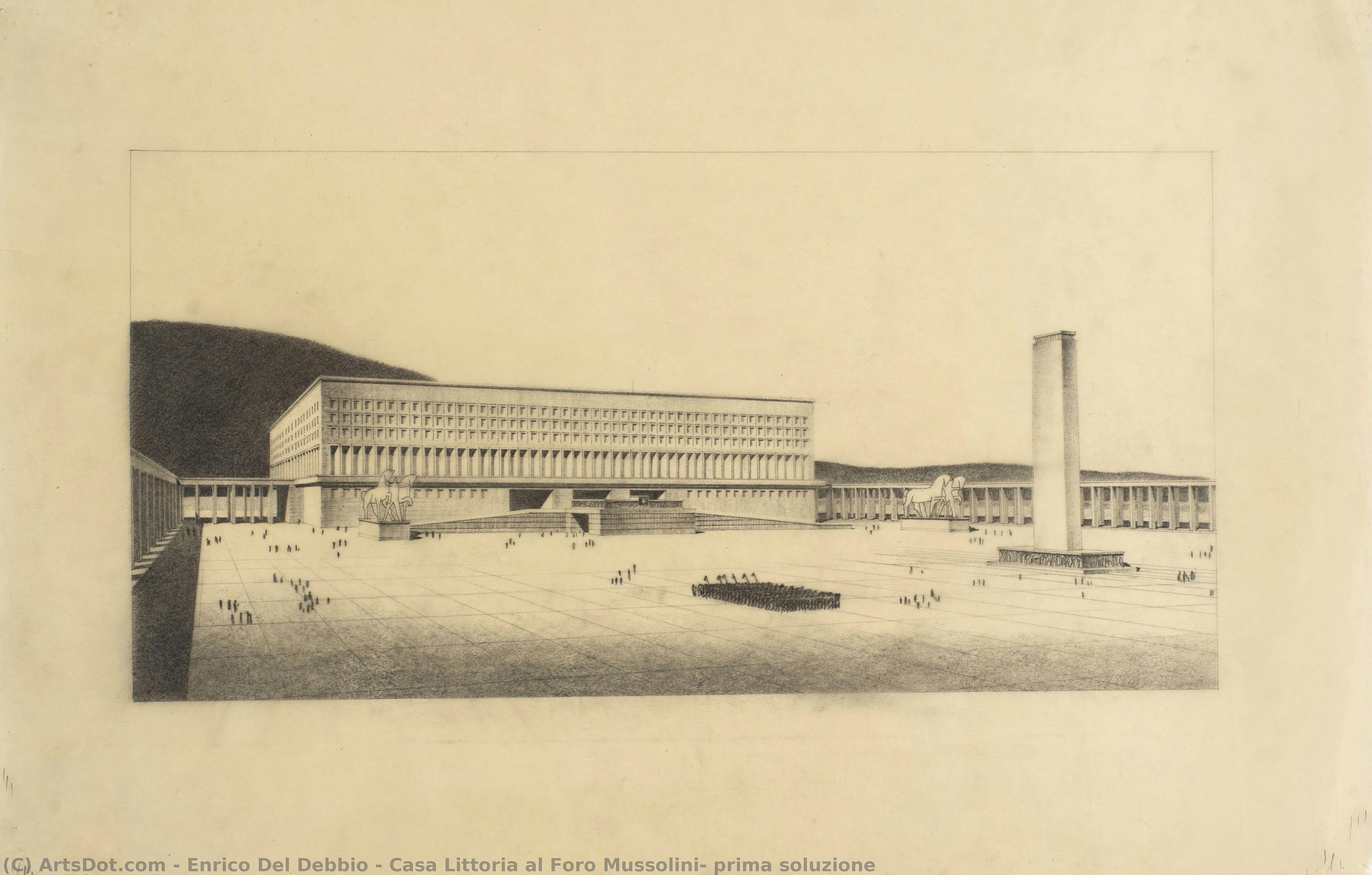
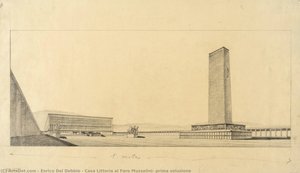
Casa Littoria al Foro Mussolini: prima soluzione
 Drawing
- WallArt
- Rationalism
 Modern
 60.0 x 40.0 cm
 Ministero degli Affari Esteri e della Cooperazione Internazionale. Collezione Farnesina
 Read More
Giclée / Art Print
Museum-quality giclée or canvas print with fast production and flexible finish options. ( Buy Hand Made Painting Buy Image)




P118B $10

P118H $10

P118W $10

P438Z $10

P508JH $12

P508YH $12

P805H $10

P805Z $10

P919BZ $10

P919G $10

P919XJ $10

P959ZH $10

P968JZ $12

W106C $8

W218G $10

W218JH $8

W218Y $10

W307PJ $10

W316G $10

W316PJ $8

W316Y $10

W398PJ $8

W4111J $10

W500HY $15

W500JH $15

W692G $12

W849H $8

W940BG $15

W953PJ $8




Pick from our preset sizes that match the artwork's original proportions.

You may enter your own dimensions to fit a specific frame or space. If your selected size does not match the original image's proportions, we will either crop the artwork or extend the image with a mirrored or solid-fill edge. A digital mockup will be sent for your approval before production begins.
Please note that the on-screen preview does not reflect the actual cropping or extension. Only the mockup will accurately show the final composition.
While custom sizes are available, we recommend selecting a dimension from the predefined list to preserve the original proportions.
Worldwide Delivery () in 2 weeks instead of standard 4/5 weeks. (26 August)

Free Worldwide Express Shipping

High-Quality Linen Canvas

Full Shipping Insurance

Customs Tax Refund Guarantee

True Color Matching Guarantee

60-Day Return Policy (Defects Only)

100% Money-Back Guarantee

Bulk Discount Offer
 Glass option is only available in size under 110 CM

Casa Littoria al Foro Mussolini: prima soluzione
Giclée / Art Print
Reproduction Size
-


Total Price
$ 63
Collectible Description
A Vision in Monochrome: The Architectural Grandeur of Enrico Del Debbio
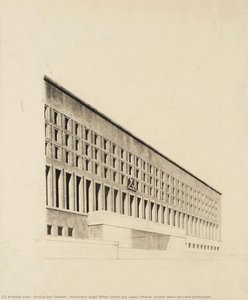
In this evocative black and white drawing, titled Casa Littoria al Foro Mussolini: prima soluzione, we are transported to a pivotal moment in Italian architectural history. The artist, the esteemed Enrico Del Debbio, captures not merely a building, but a profound vision of civic order and monumental scale. Through his meticulous linework, the scene unfolds with a rhythmic vitality, presenting a large-scale governmental structure that commands the viewer's attention. The composition is alive with the quiet drama of daily life; pedestrians drift across the foreground and midground, their small silhouettes providing a vital sense of scale against the imposing facade. This interplay between the monumental permanence of stone and the fleeting movement of human presence creates a captivating tension, inviting us to contemplate the relationship between individual existence and the grand designs of civilization.
The technique employed in this piece is nothing short of masterful, utilizing the stark contrasts of monochrome to define depth and texture. Without the distraction of color, the eye is drawn to the intricate architectural details—the precise geometry of the windows, the rhythmic placement of columns, and the heavy, authoritative presence of the building's mass. Del Debbio uses light and shadow to sculpt the architecture, giving the structure a palpable weight and three-dimensional reality. The inclusion of vintage automobiles parked in front adds a layer of historical texture, grounding the drawing in a specific era of transition where classical architectural ideals met the burgeoning modernity of the early 20's century. For the discerning collector, this piece offers a window into an era of profound structural ambition.
Historical Resonance and Aesthetic Sophistication
To understand this work is to understand the spirit of Enrico Del Debbio, an architect who famously navigated the complex intersection of classicism and modernism. As a designer of the Foro Mussolini (now known as Foro Italico), Del Debbio was tasked with creating a language of power and permanence. This drawing, representing an early solution for the Casa Littoria, serves as a fascinating historical document of the creative process. It captures the architect's mind at work, weighing proportions and considering how light would interact with the surfaces of his creation. There is a certain nostalgic gravity in this depiction, a sense of looking back at a time when architecture was used to define the very identity of a nation.
For interior designers and lovers of fine art, this reproduction offers an unparalleled opportunity to introduce a sense of intellectual depth and historical prestige into a space. The monochromatic palette makes it an incredibly versatile piece for sophisticated decor, working harmoniously within minimalist, contemporary, or even classical settings. It serves as a conversation starter, drawing guests into the complex history of Italian urbanism. Whether placed in a grand gallery or a curated study, this work brings with it an aura of academic elegance and a timeless, structural beauty that transcends the decades.
Related Artworks



Artist Biography
early life and education
enrico del debbio, an italian architect and university professor, was born in carrara in 1891. he studied at the fine art academy in his hometown, specializing in architecture. this foundation in art and design would later influence his architectural style.career highlights
* in 1914, del debbio moved to rome, where he won several architectural awards and began teaching at the scuola superiore di architettura. * throughout the 1920s, he held various positions in public institutions, including the organization of the quadriennale romana. * in 1931, del debbio became artistic-technical consultant for an exhibition celebrating the decennal of the fascist revolution at the palazzo delle esposizioni.notable works
* enrico del debbio's design of the fiat palace in via calabria, rome (1923), showcased his ability to blend modern and classic elements. * his commission for the new foro mussolini (now known as foro italico) in 1927, a sport complex, demonstrated his skill in combining functionality with aesthetics. * the stadio del nuoto ('swimming stadium', 1956), another notable project, further solidified his reputation.legacy and later years
* del debbio's association with the fascist regime led to his works being seen as 'reactionary' during the 1970s. * however, a retrospective exhibition at the galleria nazionale d'arte moderna in rome (2007) reevaluated his skills, highlighting his unique blend of classic and modern styles.selected artworks by enrico del debbio on ArtsDot.com:
- piano urbanistico e paesaggistico del foro mussolini (maxxi national museum of xxi century arts, rome, italy, charcoal)
- casa littoria al foro mussolini: assonometria generale della seconda soluzione (ministero degli affari esteri e della cooperazione internazionale. collezione farnesina, rome, italy, drawing)
explore more on ArtsDot.com:

Enrico Del Debbio
1891 - 1973 , Italy
Related Articles

White on Canvas: 10 Masterpieces & Timeless Elegance for Your Home Decor
Explore 10 iconic white paintings by Monet, Whistler & Rothko! Discover the stories behind these serene masterpieces and their impact on art history. Find museum-quality reproductions for your home decor at .

Dark Masterpieces: 10 Iconic Paintings Dominated by Black Tones |
Explore 10 iconic paintings dominated by black tones, from Rembrandt’s chiaroscuro to Goya's dark expressions. Discover the stories behind these masterpieces & find museum-quality art reproductions for your home at .

Monochrome Visions: Exploring the Aesthetic & Historical Significance of Black & White Photography
Explore the rich history & artistic power of black and white photography. From early techniques to iconic masters like Ansel Adams, discover why monochrome continues to captivate art lovers today. Expert insights for collectors.
Mars Black Masterpieces: 10 Iconic Paintings & Timeless Art Decor Ideas
Delve into the power of 'Mars Black' with 10 iconic paintings by masters like Rembrandt & Caravaggio. Explore dramatic chiaroscuro, gothic art, and timeless beauty. Find museum-quality reproductions & elevate your home decor on .
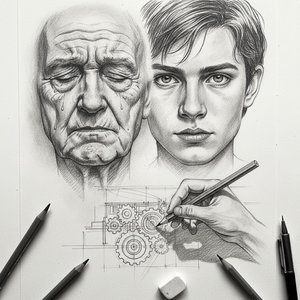
The Nuances of Graphite: Exploring Emotional Depth & Technical Mastery in Pencil Drawing
Explore the captivating world of graphite drawing! Discover its rich history, master essential techniques like chiaroscuro, and learn how artists evoke emotion through this timeless medium. Expert insights for art enthusiasts.