 Preview
 Send
Send Share
Share
 Details

 Download
 Similars
 X-Ray
X-Ray Diaporama
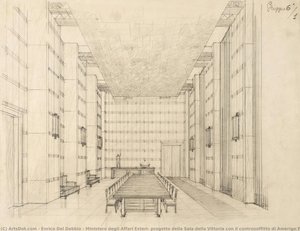
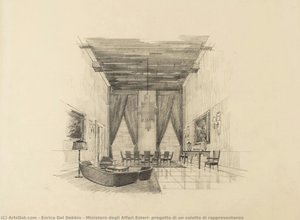
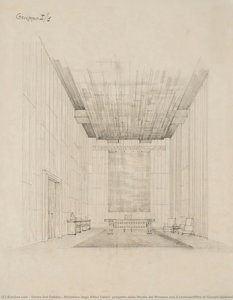
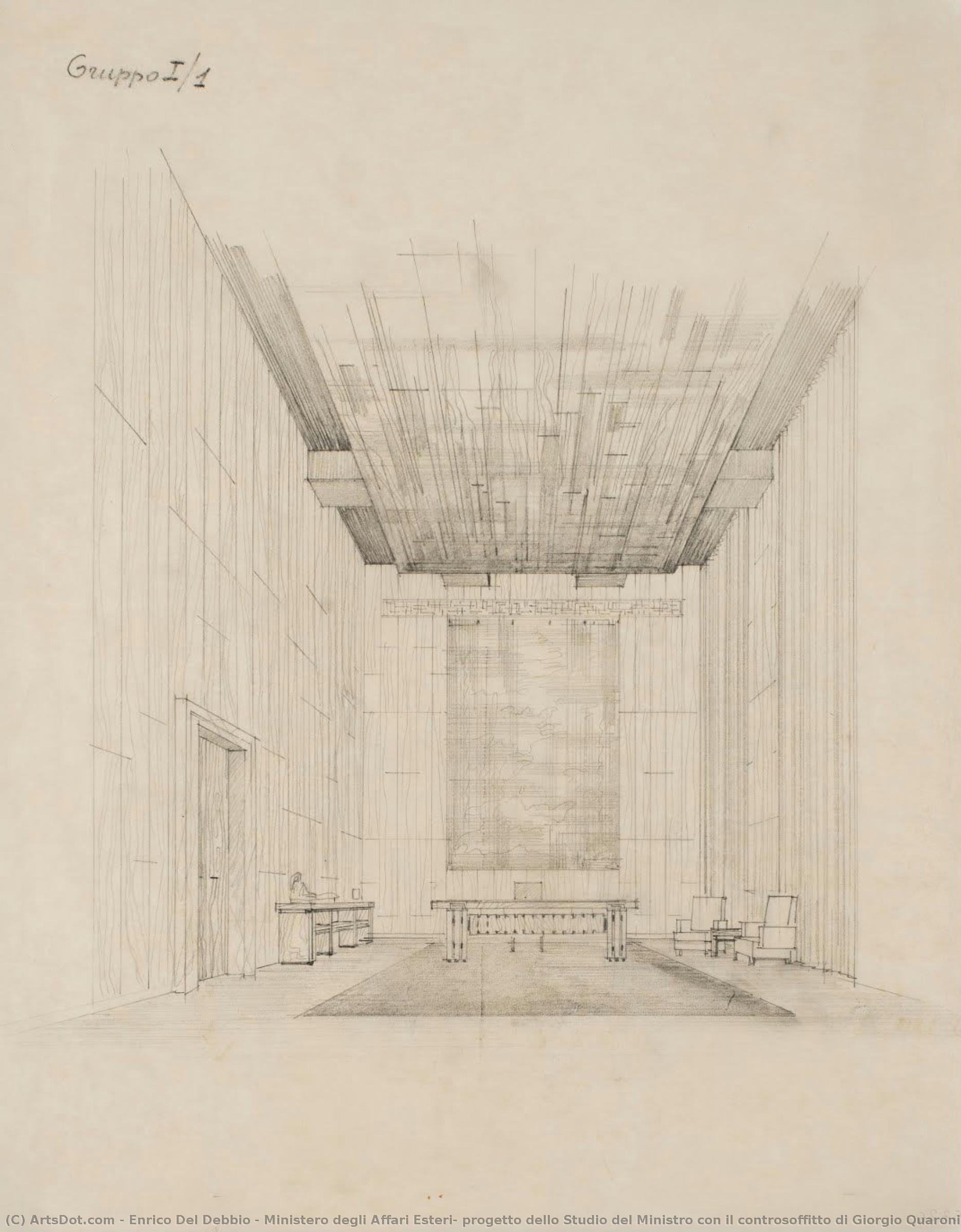
Ministero degli Affari Esteri: progetto dello Studio del Ministro con il controsoffitto di Giorgio Quaroni
 Drawing
- WallArt
 Modern
 37.0 x 46.0 cm
 Ministero degli Affari Esteri e della Cooperazione Internazionale. Collezione Farnesina
 Read More
Giclée / Art Print
Museum-quality giclée or canvas print with fast production and flexible finish options. ( Buy Hand Made Painting Buy Image)




P118B $10

P118H $10

P118W $10

P438Z $10

P508JH $12

P508YH $12

P805H $10

P805Z $10

P919BZ $10

P919G $10

P919XJ $10

P959ZH $10

P968JZ $12

W106C $8

W218G $10

W218JH $8

W218Y $10

W307PJ $10

W316G $10

W316PJ $8

W316Y $10

W398PJ $8

W4111J $10

W500HY $15

W500JH $15

W692G $12

W849H $8

W940BG $15

W953PJ $8




Pick from our preset sizes that match the artwork's original proportions.

You may enter your own dimensions to fit a specific frame or space. If your selected size does not match the original image's proportions, we will either crop the artwork or extend the image with a mirrored or solid-fill edge. A digital mockup will be sent for your approval before production begins.
Please note that the on-screen preview does not reflect the actual cropping or extension. Only the mockup will accurately show the final composition.
While custom sizes are available, we recommend selecting a dimension from the predefined list to preserve the original proportions.
Worldwide Delivery () in 2 weeks instead of standard 4/5 weeks. (24 August)

Free Worldwide Express Shipping

High-Quality Linen Canvas

Full Shipping Insurance

Customs Tax Refund Guarantee

True Color Matching Guarantee

60-Day Return Policy (Defects Only)

100% Money-Back Guarantee

Bulk Discount Offer
 Glass option is only available in size under 110 CM

Ministero degli Affari Esteri: progetto dello Studio del Ministro con il controsoffitto di Giorgio Quaroni
Giclée / Art Print
Reproduction Size
-


Total Price
$ 63
Collectible Description
An Architectural Vision of Diplomacy
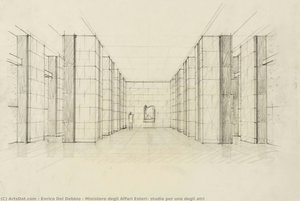
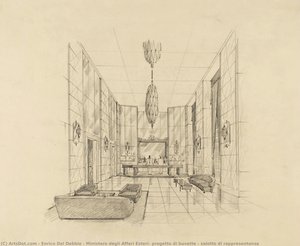
In this exquisite architectural drawing, we are invited into a silent, structured world of diplomatic elegance. The piece serves as a meticulous design proposal for the Ministero degli Affari Esteri, specifically detailing the Minister's Studio. Through the precise hand of Enrico Del Debbio, the viewer is transported into a space where geometry meets grace. The composition centers around a grand, commanding table, surrounded by carefully placed chairs that suggest an atmosphere of poised deliberation and high-stakes conversation. It is not merely a depiction of furniture, but a blueprint for an environment designed to facilitate the weight of international relations.
The drawing captures a profound sense of light and spatial volume. A large window acts as a silent protagonist, flooding the office with natural illumination that breathes life into the intricate linework. This interplay of light and shadow highlights the meticulous detail of the room's layout, from the rhythmic placement of the seating to the structural promise of the ceiling designed by Giorgio Quaroni. There is a palpable stillness in the scene, an architectural breath held in anticipation of the important figures who would eventually inhabit this prestigious Roman setting.
The Mastery of Del Debbio and the Italian Modernist Spirit
Enrico Del Debbio, a master of the Italian architectural landscape, brings his signature ability to blend classical proportions with modern functionality to this work. Born in Carrara, his training at the Fine Arts Academy instilled in him a deep respect for structural integrity and decorative harmony. In this particular study, we see the hallmarks of his career—a sophisticated command over space that avoids the coldness often found in purely functionalist designs. His work during the early 20th century was characterized by an ability to navigate the complexities of public institutional design, making him a pivotal figure in the evolution of Roman urbanity.
The technique employed here is one of clarity and precision, likely executed through fine ink or graphite work that emphasizes the "progetto" or project aspect of the piece. Every line serves a purpose, defining the boundaries of the room and the tactile presence of the furniture. For the collector or the interior designer, this drawing offers more than just historical interest; it provides a masterclass in spatial balance. The way Del Debbio utilizes negative space to suggest openness and prestige makes this work an enduring inspiration for those looking to integrate classical order into contemporary luxury environments.
A Legacy of Elegance for the Discerning Collector
Owning a reproduction of such a significant architectural study is an opportunity to bring a piece of history's intellectual rigor into a private collection or a curated interior. The subject matter—the intersection of statecraft and design—carries an inherent prestige. It evokes the era of grand institutional projects where every detail, from the ceiling ornamentation to the placement of a chair, was considered part of a larger narrative of national identity and cultural sophistication.
For those seeking to decorate a study, a library, or a formal salon, this artwork provides a focal point of quiet authority. It does not shout for attention with garish colors; instead, it commands respect through its sophisticated composition and the historical weight of its subject. As a high-quality reproduction, it allows the subtle textures and the delicate architectural rhythm to shine, offering a timeless aesthetic that complements both mid-century modern interiors and more traditional, opulent settings.
Related Artworks
Artist Biography
early life and education
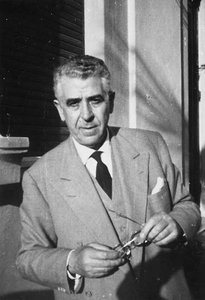
enrico del debbio, an italian architect and university professor, was born in carrara in 1891. he studied at the fine art academy in his hometown, specializing in architecture. this foundation in art and design would later influence his architectural style.career highlights
* in 1914, del debbio moved to rome, where he won several architectural awards and began teaching at the scuola superiore di architettura. * throughout the 1920s, he held various positions in public institutions, including the organization of the quadriennale romana. * in 1931, del debbio became artistic-technical consultant for an exhibition celebrating the decennal of the fascist revolution at the palazzo delle esposizioni.notable works
* enrico del debbio's design of the fiat palace in via calabria, rome (1923), showcased his ability to blend modern and classic elements. * his commission for the new foro mussolini (now known as foro italico) in 1927, a sport complex, demonstrated his skill in combining functionality with aesthetics. * the stadio del nuoto ('swimming stadium', 1956), another notable project, further solidified his reputation.legacy and later years
* del debbio's association with the fascist regime led to his works being seen as 'reactionary' during the 1970s. * however, a retrospective exhibition at the galleria nazionale d'arte moderna in rome (2007) reevaluated his skills, highlighting his unique blend of classic and modern styles.selected artworks by enrico del debbio on ArtsDot.com:
- piano urbanistico e paesaggistico del foro mussolini (maxxi national museum of xxi century arts, rome, italy, charcoal)
- casa littoria al foro mussolini: assonometria generale della seconda soluzione (ministero degli affari esteri e della cooperazione internazionale. collezione farnesina, rome, italy, drawing)
explore more on ArtsDot.com:
Enrico Del Debbio
1891 - 1973 , Italy
Related Articles
Elevating Workspace Aesthetics: Top 5 Art Styles for Contemporary Offices
Elevate your office aesthetic with 's expert guide to the top 5 art styles for contemporary workspaces. Boost productivity & inspire creativity – discover the perfect look today!
The Nuances of Graphite: Exploring Emotional Depth & Technical Mastery in Pencil Drawing
Explore the captivating world of graphite drawing! Discover its rich history, master essential techniques like chiaroscuro, and learn how artists evoke emotion through this timeless medium. Expert insights for art enthusiasts.
Andrea del Sarto: Florentine Grace, Technical Mastery & Artistic Ambition
Explore the life & art of Andrea del Sarto, a Florentine Renaissance master renowned for harmonious compositions & technical brilliance. Discover his frescoes, portraits, and lasting influence on art history.
Prado Masterpieces: Explore 25 Iconic Artworks & Bring Spanish Beauty Home
Journey through 25 Prado Museum masterpieces! Explore Velázquez, Goya & El Greco's iconic Spanish art. Discover the stories behind these timeless paintings and find museum-quality reproductions for your home at ArtsDot.com.

The Enduring Power of Line: Exploring Themes & Techniques in Drawing Across Art History
Explore the rich history of drawing! Discover key techniques like linear perspective & iconic artists from the Renaissance to modern times. Enhance your art appreciation with ArtsDot.