

 Preview
 Send
Send Share
Share
 Details

 Download
 Similars
 X-Ray
X-Ray Diaporama
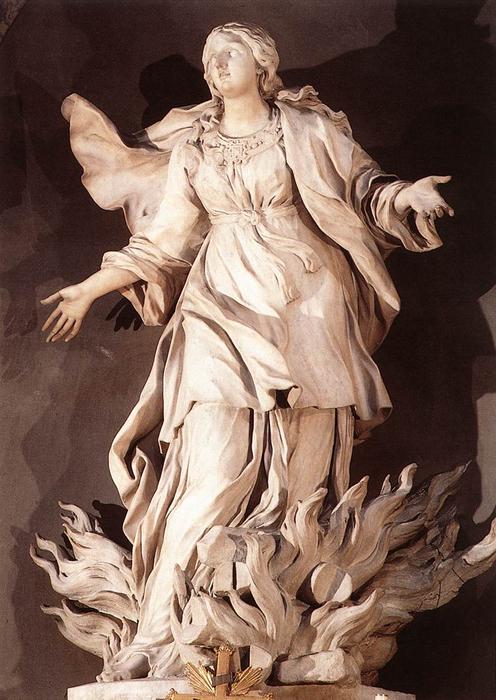
The Death of St Agnes


 Read More
Purchase a high-resolution, enhanced digital image, far superior to the online preview.
Each file is meticulously prepared by our in-house specialists using advanced tools and expert manual retouching. We ensure every image has exceptional clarity, precise color accuracy, and fine detail.
The final file is delivered via email within 72 hours, optimized for immediate use in professional, editorial, and print environments. This is the same quality trusted by top-tier design studios, publishers, and galleries.
Digital Image
Download a high-resolution file for personal display, printing, and creative projects. ( Buy Print Buy Hand Made Painting)
Included in Every Digital Image Order
Expert Digital Delivery, Guaranteed
When you choose ArtsDot.com, you're not just getting an image - you're receiving a professionally enhanced digital artwork, crafted with precision and backed by a satisfaction guarantee. Here's everything that comes with your order, automatically:

Fast Email Delivery
Your high-resolution digital image file will be emailed to you within 72 hours of ordering - ready for immediate use.

AI-Enhanced Digital File
Your artwork is professionally optimized using advanced AI tools and manual editing, ensuring maximum detail, clarity, and color accuracy.

Free Lifetime Re-Delivery
Accidentally deleted or lost your file? No worries - we'll resend it to you anytime, free of charge.

No Import Fees - Ever
Enjoy your artwork instantly with zero customs, duties, or delivery fees - digital downloads are always tax-free.

Color Accuracy Guarantee
We ensure your digital image reflects the original colors as closely as possible using professional tools and color management.

60-Day Satisfaction Guarantee
If you're not satisfied with your digital image, we'll revise it or refund 100% within 60 days - no questions asked.

100% Money-Back Guarantee
Not satisfied? Get a full refund within 60 days of receiving your digital file - no questions asked.

Bulk Order Discounts
Buy 3 images, save 10% - Buy 5, save 15% - Buy 10+, save 20%. Great for creative projects, galleries, and agencies.
Related Artworks







Artist Biography
Ercole Ferrata: Bridging Classicism and Bernini’s Dynamism
Ercole Ferrata (1610-1686) stands as a pivotal figure in the Roman Baroque, an artist who skillfully navigated the complex currents of artistic influence, ultimately forging his own distinctive voice within the grand tradition. Born in Pellio Inferiore, near Como, he began his apprenticeship with Alessandro Algardi, one of the era’s leading sculptors known for his serene and classically-inspired works. This early training instilled a respect for proportion and form, yet Ferrata's artistic journey quickly led him beyond Algardi’s measured elegance towards the passionate dynamism championed by Gian Lorenzo Bernini.
Ferrata’s initial career was largely defined by his association with Algardi. He served as a prime assistant, notably completing the unfinished vision of Saint Nicholas at San Nicola da Tolentino – an ambitious project that showcased Ferrata's ability to integrate disparate elements into a cohesive whole, demonstrating a nascent understanding of dramatic composition. However, recognizing the limitations of simply replicating his mentor’s style, Ferrata consciously sought to expand his artistic horizons. He deliberately distanced himself from the perceived placidity of Algardi and the more restrained approach of François Duquesnoy, embracing instead the expressive emotionalism that characterized Bernini's work. This shift marked a crucial turning point in his career, establishing him as an artist capable of injecting life and feeling into stone.
Key Works and Artistic Development
Ferrata’s most celebrated works exemplify this transition. The ‘Death of St. Agnes,’ housed at Sant'Agnese in Agone, is a particularly compelling illustration of his evolving style. Inspired by Bernini’s own depictions of martyrdom, Ferrata masterfully captures the moment of agonizing death with a raw intensity rarely seen in earlier Baroque sculpture. The scene is not merely a depiction of suffering; it’s an exploration of grief, vulnerability, and spiritual torment – qualities that distinguish it from Algardi's more idealized representations. Similarly, his ‘Stoning of St. Emerenziana,’ while retaining some influence from Algardi’s restraint, reveals a greater willingness to convey the brutality and horror of the event through dramatic gestures and contorted figures.
Beyond these iconic pieces, Ferrata’s oeuvre encompasses a diverse range of subjects, including religious scenes, allegorical figures, and portraiture. He contributed significantly to the decoration of churches throughout Rome, imbuing sacred spaces with his distinctive brand of Baroque emotion. Notably, he sculpted the Angel with a Cross for the Ponte Sant'Angelo, a monumental work that reflects his growing confidence and technical skill. His involvement in projects like the elephant statue holding the obelisk for Santa Maria sopra Minerva demonstrates his versatility and willingness to tackle ambitious commissions.
Influence and Legacy
Ferrata’s impact extended beyond his individual creations; he played a crucial role in shaping the artistic landscape of 17th-century Rome. He established a prolific workshop, training a succession of talented sculptors who went on to contribute significantly to the city's artistic community. Figures like Giovanni Battista Foggini and Leonardo Retti benefited from his guidance, inheriting not only technical skills but also Ferrata’s commitment to expressive realism. His leadership of the informal academy at Villa Madama, alongside Ciro Ferri, further solidified his position as a key figure in fostering artistic talent.
Ferrata's legacy is one of bridging the gap between classical restraint and Baroque dynamism. While he initially learned from Algardi, he ultimately forged a path uniquely his own, influenced by Bernini’s dramatic flair yet retaining a sense of formal control. His sculptures continue to resonate with viewers today, offering a powerful glimpse into the emotional intensity and artistic innovation that defined the Roman Baroque.
Notable Commissions and Collaborations
Ferrata's career spanned numerous significant commissions throughout Italy and beyond. Early in his career, he collaborated with Cosimo Fanzago and Giuliano Finelli in Naples, undertaking projects for various ecclesiastical patrons. He also created the statue of Saint Catherine of Siena for the Chigi Chapel within the Duomo di Siena, a testament to his ability to capture the likeness and spirit of revered figures.
His involvement with Francesco Aprile on the sculpture of Sant’Anastasia in Santa Anastasia showcases a shared aesthetic sensibility, mirroring Bernini's dramatic depictions of dying saints. Perhaps most famously, he worked alongside Bernini on the fountain for the Count of Ericeira’s palace gardens in Lisbon – a project tragically lost during the devastating 1755 earthquake, along with the palace’s extensive library and art collection.
Furthermore, Ferrata's contribution to the restoration of antique sculptures under the patronage of Grand Duke Cosimo III of Tuscany highlights his expertise in classical antiquity and his role as a conservator and interpreter of ancient forms. His work reflects a deep appreciation for both tradition and innovation, solidifying his place as a significant figure in the evolution of Baroque sculpture.
Collections and Recognition
Ferrata’s sculptures are now housed in prestigious collections worldwide, offering opportunities for public engagement with his artistic achievements. These include the Museo d'Arte Sacra di Scaria, the Birmingham Museums Gallery, the Wignacourt Museum, the Victoria and Albert Museum, the University of Michigan Museum of Art, the Walters Art Museum, and the Princeton University Art Museum. His work continues to be studied and admired for its technical skill, emotional depth, and enduring contribution to the history of art.
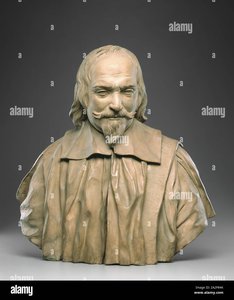
Ercole Ferrata
1610 - 1686 , Italy
Quick Facts
- Artistic Movement Or Style: Roman Baroque
- Artists Or Movements Influenced By This Artist: ['Francois Duquesnoy']
- Artists Who Influenced This Artist:
- Alessandro Algardi
- Gian Lorenzo Bernini
- Date Of Birth: 1610, Como, Italy
- Date Of Death: 1686
- Full Name: Ercole Ferrata
- Nationality: Italian
- Notable Artworks:
- The Death of St Agnes
- Stoning of St Emerenziana
- Place Of Birth: Como, Italy

