

 Preview
 Send
Send Share
Share
 Details

 Download
 Similars
 X-Ray
X-Ray Diaporama
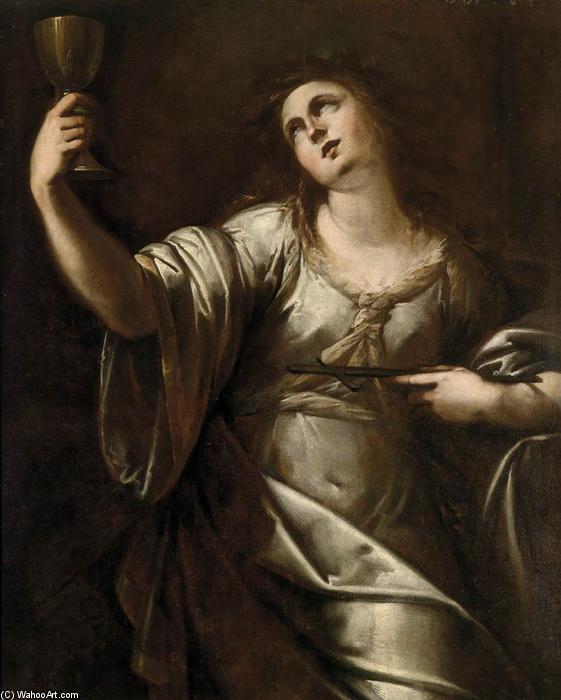
Allegory of Faith
 116.0 x 96.0 cm
 Read More
Purchase a high-resolution, enhanced digital image, far superior to the online preview.
Each file is meticulously prepared by our in-house specialists using advanced tools and expert manual retouching. We ensure every image has exceptional clarity, precise color accuracy, and fine detail.
The final file is delivered via email within 72 hours, optimized for immediate use in professional, editorial, and print environments. This is the same quality trusted by top-tier design studios, publishers, and galleries.
Digital Image
Download a high-resolution file for personal display, printing, and creative projects. ( Buy Print Buy Hand Made Painting)
Included in Every Digital Image Order
Expert Digital Delivery, Guaranteed
When you choose ArtsDot.com, you're not just getting an image - you're receiving a professionally enhanced digital artwork, crafted with precision and backed by a satisfaction guarantee. Here's everything that comes with your order, automatically:

Fast Email Delivery
Your high-resolution digital image file will be emailed to you within 72 hours of ordering - ready for immediate use.

AI-Enhanced Digital File
Your artwork is professionally optimized using advanced AI tools and manual editing, ensuring maximum detail, clarity, and color accuracy.

Free Lifetime Re-Delivery
Accidentally deleted or lost your file? No worries - we'll resend it to you anytime, free of charge.

No Import Fees - Ever
Enjoy your artwork instantly with zero customs, duties, or delivery fees - digital downloads are always tax-free.

Color Accuracy Guarantee
We ensure your digital image reflects the original colors as closely as possible using professional tools and color management.

60-Day Satisfaction Guarantee
If you're not satisfied with your digital image, we'll revise it or refund 100% within 60 days - no questions asked.

100% Money-Back Guarantee
Not satisfied? Get a full refund within 60 days of receiving your digital file - no questions asked.

Bulk Order Discounts
Buy 3 images, save 10% - Buy 5, save 15% - Buy 10+, save 20%. Great for creative projects, galleries, and agencies.
Related Artworks




Artist Biography
A Legacy of Lombard Baroque: The Life and Art of Ercole Procaccini the Younger
Ercole Procaccini il Giovane, born in Milan in 1605 and passing away around 1675 or 1680, stands as a compelling figure within the vibrant landscape of 17th-century Italian Baroque painting. He wasn’t merely an artist; he was the inheritor of a distinguished artistic lineage—a third generation painter in the Procaccini dynasty that profoundly shaped the religious and allegorical art of Lombardy. His career unfolded against a backdrop of shifting artistic tastes, Counter-Reformation fervor, and the patronage of powerful families, all of which deeply influenced his style and subject matter.
Family Roots and Early Training
The Procaccini family’s story began with Ercole Procaccini the Elder, who established a workshop in Milan that became synonymous with dynamic compositions and expressive figures. Carlantonio, Ercole il Giovane's father, continued this tradition, instilling in his son a foundational understanding of painting techniques and artistic principles. However, young Ercole’s education wasn’t confined to the family studio. In 1621, he enrolled in the prestigious Accademia Ambrosiana, Milan’s leading art academy, where he studied under Giovanni Battista Crespi, known as il Cerano. This exposure broadened his horizons and honed his skills in figure drawing—a crucial element that would characterize his work.
The influence of his uncles, Camillo and Giulio Cesare Procaccini, was also significant. They were both accomplished painters who contributed to the family’s reputation and provided further guidance to Ercole. This familial network ensured a continuous exchange of ideas and techniques, fostering a distinctive Lombard style that blended mannerist elegance with emerging Baroque sensibilities.
A Flourishing Career in Milan and Beyond
Following his father's death in 1630, Ercole assumed leadership of the family workshop. This marked a turning point in his career, as he took on greater responsibility for commissions and began to establish his own artistic voice. He quickly became sought after by ecclesiastical institutions and Spanish governors—powerful patrons who commissioned altarpieces, frescoes, and other religious works. His productivity was remarkable, and his workshop thrived, training a new generation of painters in the Procaccini tradition.
Procaccini’s artistic output spanned a wide range of subjects, but he excelled particularly in allegorical scenes and depictions of religious narratives. His altarpiece of the Assumption of the Virgin, created for Santa Maria Maggiore in Bergamo around the 1630s, exemplifies his mastery of composition and dramatic lighting. The frescoes adorning Palazzo Durini in Milan—depicting the Stories of Hercules—demonstrate his ability to translate classical mythology into a dynamic Baroque idiom. Perhaps one of his most extensive projects was the cycle illustrating the Stories of Mary Magdalene and Martha at Santa Marta in Porlezza (1670-1677), showcasing his narrative skill and attention to detail.
Style and Influences
Procaccini’s style evolved over the course of his career, reflecting the broader artistic currents of the 17th century. Initially rooted in early Lombard mannerism—characterized by elongated figures and elegant poses—his work gradually incorporated lighter palettes and more dynamic compositions. He drew inspiration from Flemish painters, particularly their attention to realism and detail, as well as from artists working in Genoa, whose influence can be seen in his use of color and dramatic effects.
Despite these external influences, Procaccini maintained a distinctive intensity suited to the themes of the Counter-Reformation. His paintings often convey a sense of emotional fervor and spiritual drama, reflecting the Church’s efforts to reassert its authority and inspire religious devotion. His drawings—preserved in institutions like Milan’s Biblioteca Ambrosiana and Florence’s Uffizi—reveal meticulous preparatory techniques for both paintings and sculptures, underscoring his role as a skilled draughtsman.
Historical Significance and Legacy
Ercole Procaccini the Younger was not only a talented painter but also an important figure in the artistic life of Milan. His leadership of the family workshop ensured the continuation of the Procaccini tradition, shaping the development of Lombard Baroque painting for generations to come. While he achieved considerable acclaim during his lifetime—evidenced by the patronage of prominent figures like Luis de Benavides, Marquis of Caracena—he was notably passed over for a professorship at the reopened Accademia Ambrosiana in 1668. This decision may have signaled a generational shift toward newer styles and artistic approaches.
Despite this setback, Procaccini’s legacy endures through his numerous paintings and drawings, which continue to captivate viewers with their dramatic compositions, expressive figures, and spiritual intensity. He remains a significant representative of the Lombard Baroque tradition—a testament to the enduring power of family artistic heritage and the vibrant cultural landscape of 17th-century Italy.
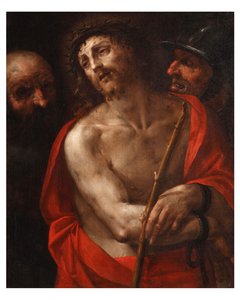
ercole procaccini the younger (il giovane)
1605 - 1680 , Italy
Quick Facts
- Artistic Movement Or Style: Italian Baroque Painting
- Artists Or Movements Influenced By This Artist: ['Gian Lorenzo Bernini']
- Artists Who Influenced This Artist: ['Giovanni Battista Gaulli']
- Date Of Birth: 1605
- Full Name: Ercole Procaccini the Younger
- Nationality: Italian
- Notable Artworks: ['The Martyrdom of Saint Cecilia']
- Place Of Birth: Milan, Italy

