 Preview
 Send
Send Share
Share
 Details

 Download
 Similars
 X-Ray
X-Ray Diaporama
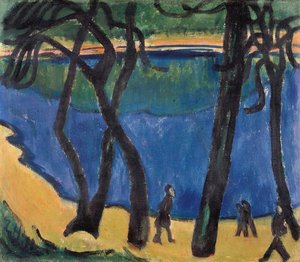
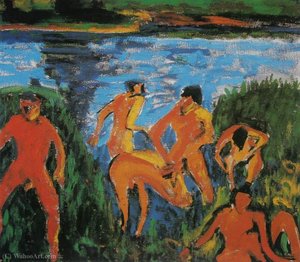
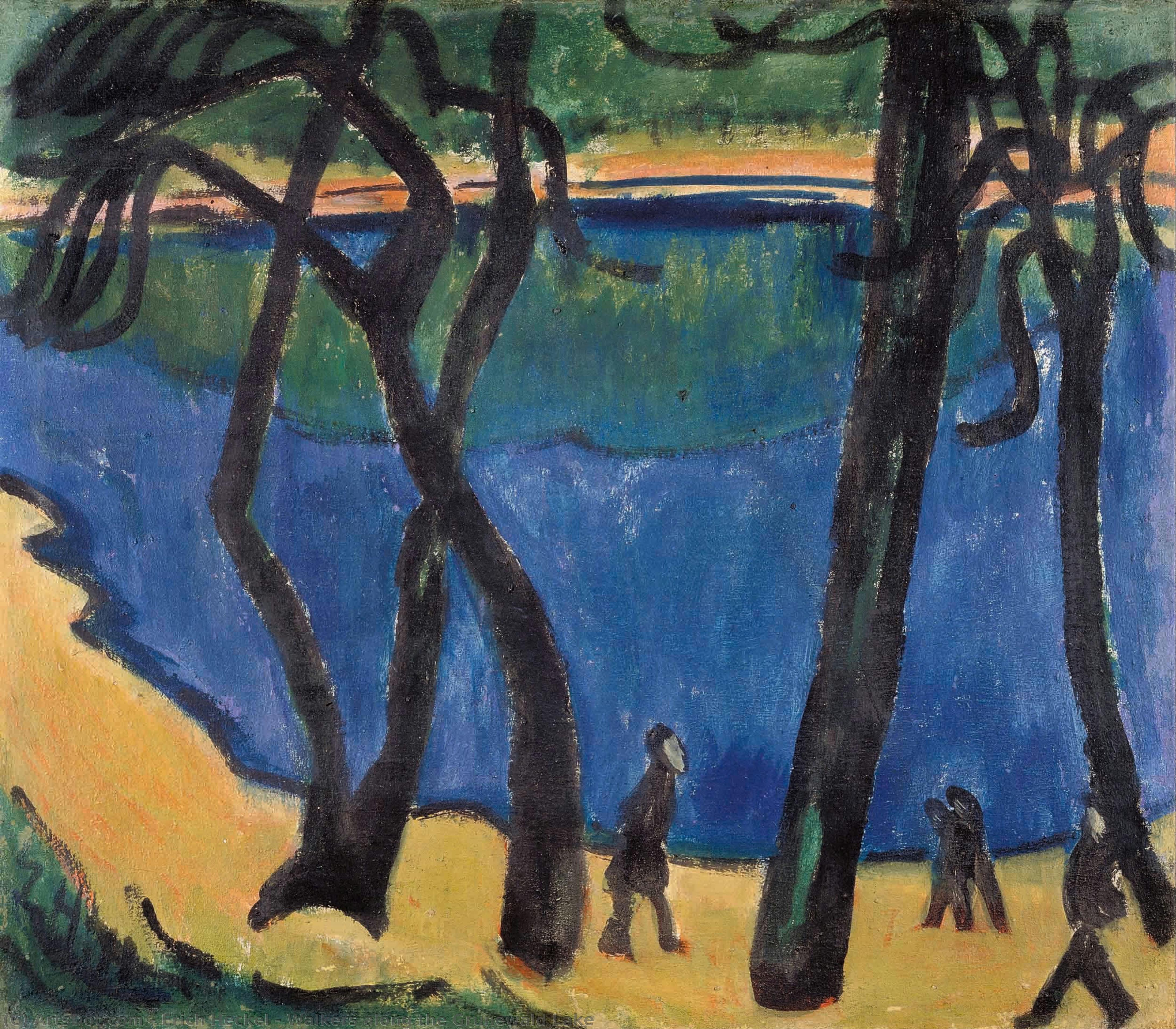
Walkers along the Grunewald Lake


 Read More
Giclée / Art Print
Museum-quality giclée or canvas print with fast production and flexible finish options. ( Buy Hand Made Painting Buy Image)




P118B $10

P118H $10

P118W $10

P438Z $10

P508JH $12

P508YH $12

P805H $10

P805Z $10

P919BZ $10

P919G $10

P919XJ $10

P959ZH $10

P968JZ $12

W106C $8

W218G $10

W218JH $8

W218Y $10

W307PJ $10

W316G $10

W316PJ $8

W316Y $10

W398PJ $8

W4111J $10

W500HY $15

W500JH $15

W692G $12

W849H $8

W940BG $15

W953PJ $8




Pick from our preset sizes that match the artwork's original proportions.

You may enter your own dimensions to fit a specific frame or space. If your selected size does not match the original image's proportions, we will either crop the artwork or extend the image with a mirrored or solid-fill edge. A digital mockup will be sent for your approval before production begins.
Please note that the on-screen preview does not reflect the actual cropping or extension. Only the mockup will accurately show the final composition.
While custom sizes are available, we recommend selecting a dimension from the predefined list to preserve the original proportions.
Worldwide Delivery () in 2 weeks instead of standard 4/5 weeks. (20 August)

Free Worldwide Express Shipping

High-Quality Linen Canvas

Full Shipping Insurance

Customs Tax Refund Guarantee

True Color Matching Guarantee

60-Day Return Policy (Defects Only)

100% Money-Back Guarantee

Bulk Discount Offer
 Glass option is only available in size under 110 CM

Walkers along the Grunewald Lake
Giclée / Art Print
Reproduction Size
-


Total Price
$ 63
Collectible Description
A Moment by Grunewald Lake: Erich Heckel’s Evocative Vision
Erich Heckel's "Walkers along the Grunewald Lake," painted in 1911, isn’t merely a depiction of a lakeside stroll; it’s a carefully constructed tableau brimming with the emotional intensity characteristic of Die Brücke and its subsequent Expressionist leanings. Moving from Dresden to Berlin that autumn marked a pivotal shift for Heckel, both personally and artistically, and this painting serves as a potent visual record of that transition – a quiet yet profoundly resonant moment captured on canvas.
The scene unfolds with remarkable immediacy. Four figures, rendered in broad, confident strokes and vibrant, unmixed colors, traverse the shoreline of Grunewald Lake. Their postures suggest relaxed conversation or perhaps contemplative observation, inviting the viewer to become an unseen participant in their leisurely activity. The composition is deliberately simple, eschewing intricate detail in favor of capturing a fleeting impression – a feeling rather than a precise representation. The trees lining the bank are not meticulously rendered but rather suggested through blocks of color and dynamic lines, contributing to a sense of atmospheric depth and movement.
The Language of Die Brücke
Heckel was a founding member of Die Brücke ("The Bridge"), an influential group of artists who sought to break from the academic traditions of German painting. Inspired by Post-Impressionists like Van Gogh and Gauguin, as well as the raw power of African sculpture, the group aimed to express subjective emotions through bold color, distorted forms, and a rejection of idealized beauty. “Walkers along the Grunewald Lake” exemplifies this approach; the figures are not portrayed with photographic accuracy but rather imbued with an underlying sense of melancholy and introspection – hallmarks of the Expressionist aesthetic.
The use of tempera on canvas is particularly significant. Tempera’s quick-drying nature allowed for rapid application of color, contributing to the painting's dynamic energy and immediacy. The palette itself—deep blues, vibrant greens, ochre yellows, and touches of crimson—is deliberately heightened, amplifying the emotional impact of the scene. The artist doesn’t shy away from using contrasting colors to create visual tension and draw attention to key elements within the composition.
Symbolism and a Shifting Landscape
Beyond its immediate depiction of lakeside walkers, the painting carries layers of symbolic meaning. The lake itself represents a space for reflection and escape – a refuge from the pressures of urban life. The figures’ engagement with this natural setting suggests a yearning for connection and a desire to reconnect with something deeper than the everyday. Furthermore, Heckel's move to Berlin in 1911 marked a shift away from the more overtly intellectual concerns of his earlier work; here, we see a greater emphasis on mood and atmosphere, reflecting the artist’s evolving sensibility.
The painting’s historical context is also crucial. Created during the tumultuous years leading up to World War I, “Walkers along the Grunewald Lake” can be interpreted as an expression of anxiety and uncertainty about the future. The figures' quiet contemplation mirrors a broader sense of unease felt throughout Europe at the time – a premonition of the impending conflict. Despite this underlying tension, however, there’s also a palpable sense of serenity and beauty, suggesting a hope for finding solace in nature and human connection.
A Legacy of Emotional Intensity
“Walkers along the Grunewald Lake” remains a powerful testament to Erich Heckel's artistic vision. It is a painting that invites viewers to pause, reflect, and connect with its emotional core. Reproductions of this work offer an accessible way to experience the intensity and beauty of Die Brücke’s aesthetic – a timeless reminder of the power of art to capture not just what we see, but how we feel.
Related Artworks
Artist Biography
Early Life and Formation of Die Brücke
- Born: Döbeln, Germany (1883)
- Erich Heckel was the son of a railway engineer, leading to frequent family moves during his childhood.
- He studied architecture in Dresden but left after three terms.
- A pivotal moment was meeting Ernst Ludwig Kirchner, Karl Schmidt-Rottluff, and Fritz Bleyl, which led to the formation of Die Brücke ("The Bridge") in 1905.
- Heckel served as the group's secretary and treasurer, handling much of the administrative work.
- Early influences included Friedrich Nietzsche and Henrik Ibsen, reflecting a burgeoning intellectual curiosity.
Artistic Development and Style
- Die Brücke’s Aims: The group aimed to bridge traditional neo-romantic German painting with modern Expressionist approaches.
- Influences: Heckel and the other members of Die Brücke were heavily influenced by Edvard Munch's expressive style and African sculpture, which they saw as embodying a raw, primitive power.
- Printmaking Focus: The group made extensive use of printmaking (woodcuts, etchings, lithographs) to create affordable art and disseminate their ideas widely. Heckel was particularly prolific in this medium.
- Subject Matter: His work often depicted nudes, landscapes, and scenes from modern life, characterized by bold colors, distorted forms, and a sense of emotional intensity.
- Evolution of Style: Initially influenced by Post-Impressionists like Van Gogh and Gauguin, Heckel's style evolved towards more melancholic themes and subdued color palettes after moving to Berlin in 1911.
World War I and Later Years
- War Service: During World War I, Heckel volunteered as a medical orderly in a hospital train stationed in Belgium. This experience profoundly impacted his perspective.
- Dissolution of Die Brücke: The group officially dissolved in 1913 due to internal disagreements.
- Heckelraum Mural: Between 1922 and 1924, Heckel painted the "Heckelraum" at the Angermuseum in Dresden, a series of mural paintings depicting “Stages in Life,” considered among the most important surviving works of German Expressionism.
- Nazi Persecution: In 1937, the Nazi regime declared his work "degenerate," confiscating over 700 artworks from German museums and banning public exhibitions.
Legacy and Historical Significance
- Expressionist Pioneer: Erich Heckel is recognized as a key figure in the Expressionist movement, particularly for his contributions to Die Brücke.
- Printmaking Master: His prolific printmaking output significantly impacted the development of modern graphic art.
- Influence on Subsequent Artists: His bold style and emotional intensity influenced generations of artists who followed.
- Rediscovery and Recognition: After World War II, Heckel's work was rediscovered and gained widespread recognition for its artistic merit and historical importance.
- Death: He died in Radolfzell in 1970, leaving behind a substantial body of work that continues to be studied and admired today.
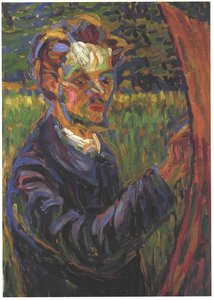
Erich Heckel
1883 - 1970 , Germany
Quick Facts
- Artistic Movement Or Style: German Expressionism
- Artists Who Influenced This Artist: ['Edvard Munch']
- Date Of Birth: July 31, 1883
- Date Of Death: January 27, 1970
- Full Name: Erich Heckel
- Nationality: German
- Notable Artworks: ['Lebenstufen mural paintings']
- Place Of Birth: Döbeln, Germany
Related Articles

Beyond the Horizon: 10 Landscape Masterpieces for Your Home Decor
Journey through 10 breathtaking landscape paintings by Monet, Van Gogh & more! Explore iconic artworks, artistic techniques & find inspiration for your home decor. Museum-quality reproductions at ArtsDot.com. Discover all masterpieces on ArtsDot.com

Romantic Landscapes: 10 Masterpieces for Your Home | ArtsDot
Journey through 10 Romantic landscape masterpieces by Friedrich, Turner & Cole. Explore emotional art, sublime nature scenes & iconic 19th-century paintings. Find museum-quality reproductions for your home at ArtsDot.com – discover the full collection online!

Evocations of Place: A Historical Journey Through Landscape Art
Explore the rich history of landscape art with ArtsDot. Discover renowned artists, movements like Impressionism & Romanticism, and expert guidance for collecting timeless pieces. Find your perfect serene escape today!

John Constable's Masterpieces: Explore 25 Iconic Landscapes for Your Home
Journey through John Constable's 25 most celebrated landscapes. Explore Romanticism, Dedham Vale & his masterful use of light in iconic paintings like 'Hay Wain'. Find museum-quality art reproductions and elevate your home decor on ArtsDot.com.

Evocations of Place: A Historical Journey Through Landscape Art
Explore the rich history of landscape art with ArtsDot. Discover renowned artists, movements like Impressionism & tonalism, and expert guidance for collecting timeless pieces. Find your perfect serene escape today!