 Preview
 Send
Send Share
Share
 Details

 Download
 Similars
 X-Ray
X-Ray Diaporama
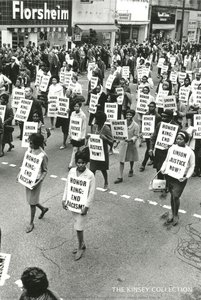
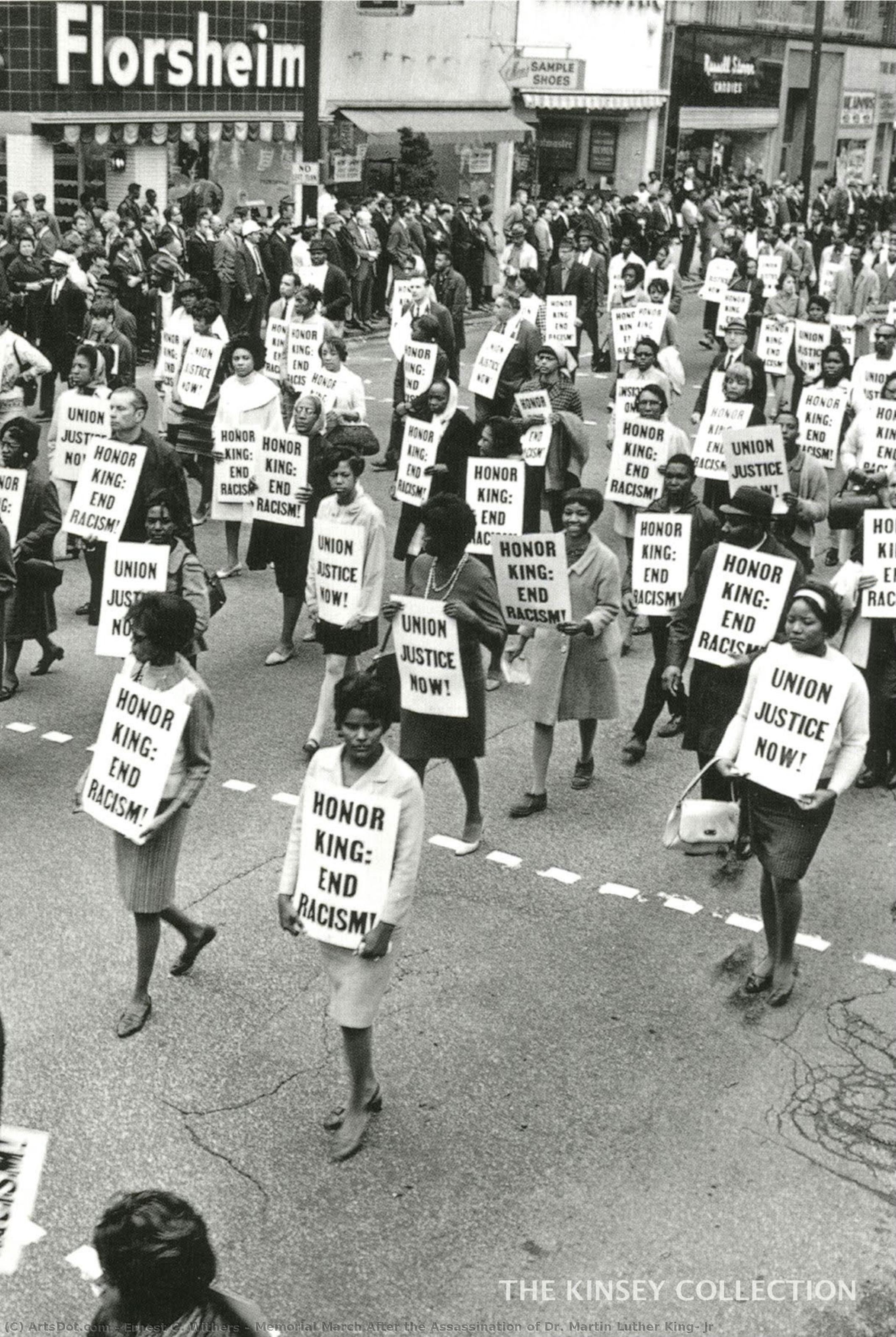
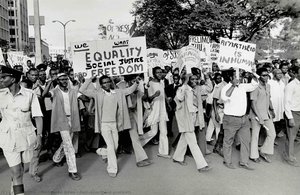
Memorial March After the Assassination of Dr. Martin Luther King, Jr


 Read More
Hand Made Oil Reproduction
Hand-painted oil on canvas in your size and frame, made to order by our artists. ( Buy Print Buy Image)




































Pick from our preset sizes that match the artwork's original proportions.

You may enter your own dimensions to fit a specific frame or space. If your selected size does not match the original image's proportions, we will either crop the artwork or extend the painting with additional hand-painted elements. A digital mockup will be sent for your approval before production begins.
Please note that the on-screen preview does not reflect the actual cropping or extension. Only the mockup will accurately show the final composition.
While custom sizes are available, we recommend selecting a dimension from the predefined list to preserve the original proportions.
After order, ArtsDot.com team will email client for instructions and provide a mockup preview
Worldwide Delivery () in 3/4 weeks instead of standard 5 weeks. (27 August). No compromise on quality.

Free Worldwide Express Shipping

High-Quality Linen Canvas

Full Shipping Insurance

Customs Tax Refund Guarantee

True Color Matching Guarantee

60-Day Return Policy (Defects Only)

100% Money-Back Guarantee

Bulk Discount Offer
 Glass option is only available in size under 110 CM

Memorial March After the Assassination of Dr. Martin Luther King, Jr
Reproduction Medium
Reproduction Size
-


Total Price
$ 563
Related Artworks






Artist Biography
The Lens of Justice: The Life and Legacy of Ernest C. Withers
To look through the lens of Ernest C. Withers is to witness the very heartbeat of a changing America. Born in Memphis, Tennessee, in 1922, Withers did not merely observe history; he captured its most raw and transformative pulses. His journey into the world of visual storytelling began with a simple, hand-me-down Brownie camera, a gift from his sister that ignited a lifelong obsession with the power of the image. This early fascination would eventually evolve into a monumental archive of over one million negatives, documenting more than sixty years of African-American struggle, triumph, and cultural evolution. His work serves as an unyielding testament to the resilience of the human spirit, providing a visual vocabulary for a movement that sought to redefine the meaning of freedom in the United States.
The crucible of World War II provided Withers with the technical foundation necessary to master his craft. Serving in the Army School of Photography and later working as a military photographer in the South Pacific, he learned the disciplined art of capturing narratives under extreme pressure. This period of intense training instilled in him a profound understanding of composition and light, skills that would later allow him to find beauty and dignity within the most harrowing scenes of social upheaval. Upon returning to Memphis, his life took an unexpected turn when he became one of the first nine African Americans appointed to the Memphis Police Department. While patrolling the legendary Beale Street, he occupied a unique, often precarious position—a man navigating the structures of authority while simultaneously documenting the very people those structures often sought to suppress.
A Witness to the Movement
As the Civil Rights Movement gained momentum, Withers’s camera became an essential tool for social change. He possessed a rare, intuitive ability to move through spaces that were largely ignored or intentionally obscured by the mainstream press. His photography went beyond mere reportage; it was an act of profound solidarity. Whether he was documenting the tension of the Montgomery Bus Boycott, the tragic gravity of the Emmett Till murder trial, or the defiant energy of the Memphis Sanitation Strike, Withers captured the human element behind the headlines. In his iconic images of the sanitation workers carrying signs that read "I AM A MAN," he utilized composition to create a sense of an impenetrable wall of solidarity, where individual faces—diverse in age and stature—merged into a singular, powerful force for justice.
His work was not limited to political protest; it also served as a vibrant celebration of Black excellence and cultural heritage. Withers was a master of the portrait, capturing the burgeoning legends of Memphis soul and blues. Through his lens, the world met the early performances of Elvis Presley, B.B. King, Aretha Franklin, and Ray Charles. By documenting both the struggle for civil rights and the flourishing of musical genius, he created a holistic portrait of African-American life that refused to let the era be defined solely by its hardships. He captured the joy, the rhythm, and the profound dignity of a community asserting its place in the American narrative.
Historical Significance and Enduring Truth
The significance of Ernest C. Withers lies in his role as a guardian of historical truth. In an era where history could be easily erased or obscured, his photographs provided undeniable visual proof of the lived experiences of Black Americans. His archive is more than a collection of images; it is a vital piece of the American mosaic, now preserved in prestigious institutions such as the Library of Congress and the Smithsonian National Museum of African American History and Culture. His work ensures that the voices of the disenfranchised—the strikers, the protesters, and the musicians—remain audible to future generations.
Though his career was occasionally complicated by the tensions between his role as a police officer and his identity as a photojournalist, his commitment to the truth never wavered. He left behind a legacy that transcends the medium of photography, offering a window into the soul of a nation in transition. To study the work of Ernest C. Withers is to engage with the very essence of American history, finding within his frames the enduring struggle for equality and the unbreakable strength of a people determined to be seen, heard, and recognized.
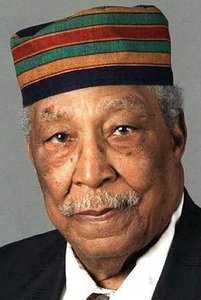
ernest c. withers
1922 - 2007 , United States of America
Quick Facts
- Artistic Movement Or Style: Photojournalism
- Artists Or Movements Influenced By This Artist: ['Civil Rights Movement']
- Artists Who Influenced This Artist: ['None Specified']
- Date Of Birth: August 7, 1922
- Date Of Death: October 15, 2007
- Full Name: Ernest Columbus Withers Sr.
- Nationality: American
- Notable Artworks:
- Memorial March After the Assassination of Dr. Martin Luther King, Jr.
- Oh Freedom! Ernest C. Withers
- Place Of Birth: Memphis, United States