 Preview
 Send
Send Share
Share
 Details

 Download
 Similars
 X-Ray
X-Ray Diaporama
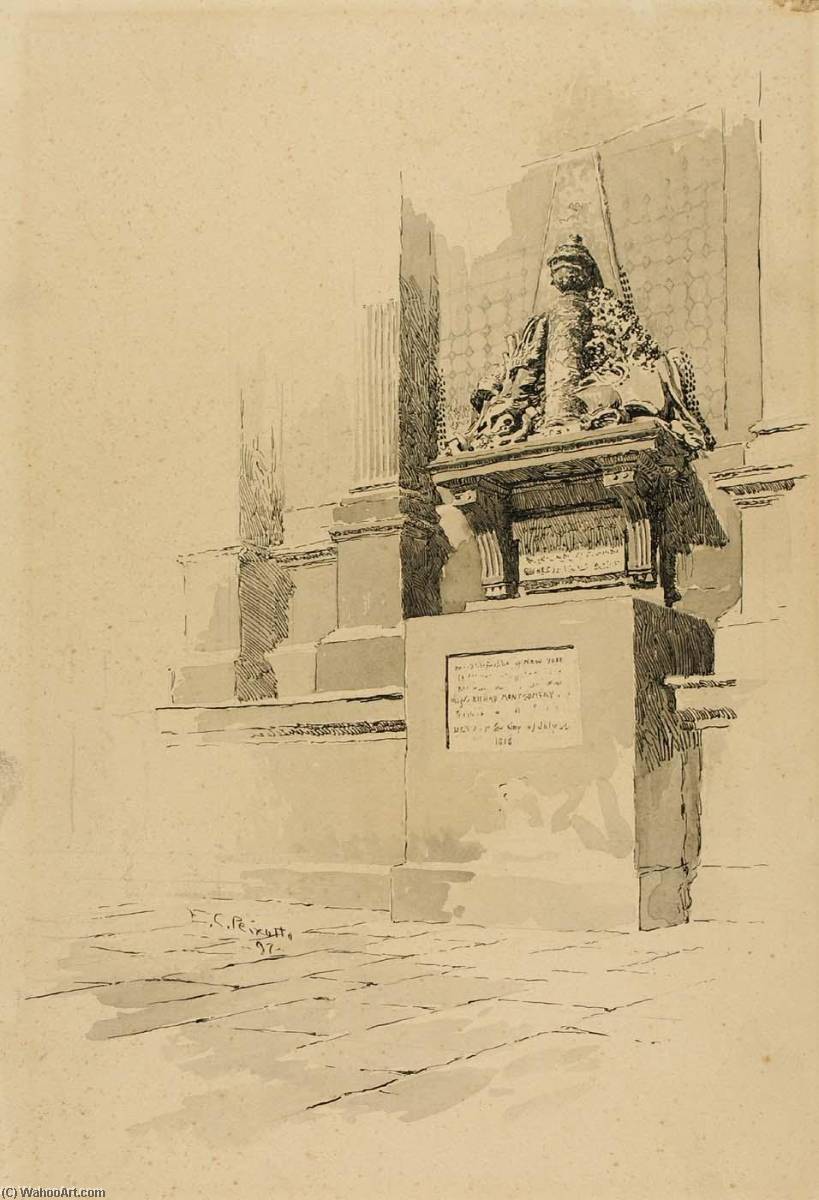
Monument
 1897
1897 30.0 x 20.0 cm
 Read More
Hand Made Oil Reproduction
Hand-painted oil on canvas in your size and frame, made to order by our artists. ( Buy Print Buy Image)




































Pick from our preset sizes that match the artwork's original proportions.

You may enter your own dimensions to fit a specific frame or space. If your selected size does not match the original image's proportions, we will either crop the artwork or extend the painting with additional hand-painted elements. A digital mockup will be sent for your approval before production begins.
Please note that the on-screen preview does not reflect the actual cropping or extension. Only the mockup will accurately show the final composition.
While custom sizes are available, we recommend selecting a dimension from the predefined list to preserve the original proportions.
After order, ArtsDot.com team will email client for instructions and provide a mockup preview
Worldwide Delivery () in 3/4 weeks instead of standard 5 weeks. (17 August). No compromise on quality.

Free Worldwide Express Shipping

High-Quality Linen Canvas

Full Shipping Insurance

Customs Tax Refund Guarantee

True Color Matching Guarantee

60-Day Return Policy (Defects Only)

100% Money-Back Guarantee

Bulk Discount Offer
 Glass option is only available in size under 110 CM

Monument
Reproduction Medium
Reproduction Size
-


Total Price
$ 263
Artwork Description
The Artist's Inspiration
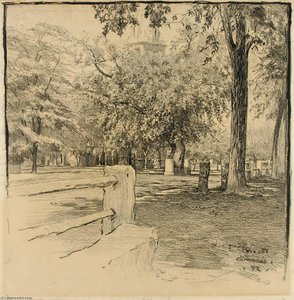
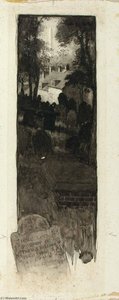
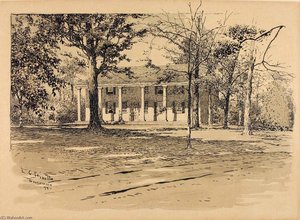
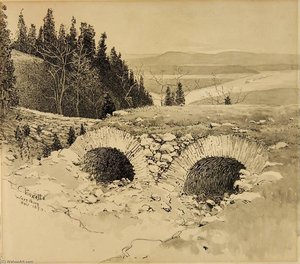
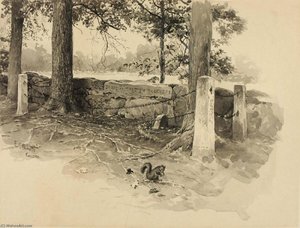
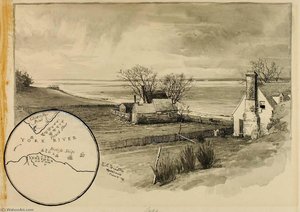
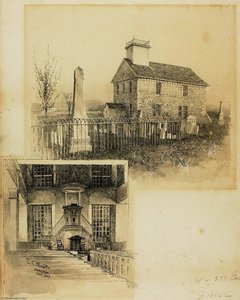
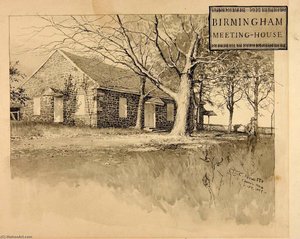
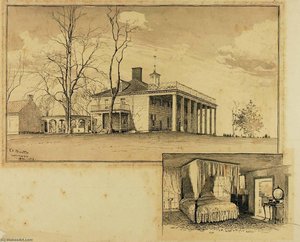
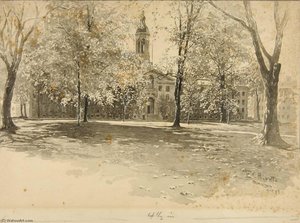
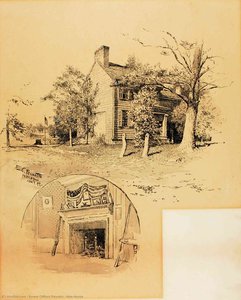
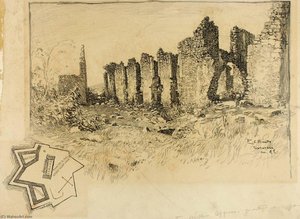
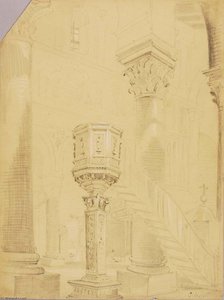
Ernest Clifford Peixotto was a renowned American artist, and his work Monument is a testament to his skill and artistry. The painting features a monument with a statue on top, surrounded by intricate details and textures. The overall composition of the drawing suggests an artistic representation of a historical or cultural significance, possibly commemorating a significant event or individual.Other Notable Works
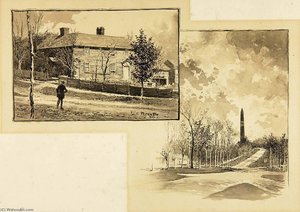
Some of Ernest Clifford Peixotto's other notable works include House Monument in Woods and The Minute Man Monument, which can be found on ArtsDot.com and ArtsDot.com respectively. These paintings showcase the artist's ability to capture the beauty and essence of his subjects.Conclusion
The Monument painting by Ernest Clifford Peixotto is a remarkable piece of art that continues to inspire and captivate audiences today. With its rich history and cultural significance, this painting is a must-see for anyone interested in art and history. For more information on Ernest Clifford Peixotto and his works, visit ArtsDot.com or Wikipedia.To explore more of Ernest Clifford Peixotto's artwork, you can also visit the Smithsonian American Art Museum website.
- View Monument by Ernest Clifford Peixotto on ArtsDot.com
- Learn more about Ernest Clifford Peixotto on Wikipedia
Related Artworks
Artist Biography
A Life Immersed in Art and Observation
Ernest Clifford Peixotto, born in San Francisco in 1869, was a man whose life unfolded as a rich tapestry woven with threads of artistic exploration, literary pursuit, and keen observation of the world around him. Emerging from a prominent Sephardic Jewish family, he possessed an innate curiosity that propelled him across continents and into diverse creative fields. His journey began with formal training at the Mark Hopkins Institute of Art in his native city, where the guidance of Emil Carlsen proved pivotal, encouraging Peixotto to seek further refinement of his skills in the artistic heart of Europe – Paris. This decision would irrevocably shape his aesthetic sensibilities and set the stage for a prolific career spanning murals, illustrations, travel writing, and even wartime documentation.From Parisian Studios to Scribner’s Pages
The years Peixotto spent in France, from 1888 to 1894, were formative. Immersed in the vibrant artistic milieu of the Académie Julian, he studied under luminaries such as Jean-Joseph Benjamin-Constant, Henri Lucien Doucet, and Jules Joseph Lefebvre. This period exposed him not only to rigorous academic training but also to the burgeoning Impressionist movement, fostering a friendship with Theodore Robinson that further broadened his artistic horizons. Upon returning to San Francisco in 1894, he quickly transitioned to New York City, securing a position on the staff of Scribner’s Magazine in 1895. This marked the beginning of a successful career as an illustrator, allowing him to hone his skills and reach a wide audience. His marriage to painter Mary Glascock Hutchinson in 1897 led to a return to France, this time for an extended six-year residency near Fontainebleau. It was during these years that he illustrated Theodore Roosevelt’s Life of Oliver Cromwell, a testament to his growing reputation and versatility. He became known for capturing the essence of places through both image and word, blending artistic talent with literary flair.Travels, Texts, and a Controversial Legacy
Peixotto’s name became synonymous with evocative travel writing and accompanying illustrations. His journeys took him across Europe and into the Americas, resulting in captivating works such as By Italian Seas (1906), Through the French Provinces (1909), and Our Hispanic Southwest (1916). These books weren’t merely travelogues; they were immersive experiences, brought to life through his detailed descriptions and insightful observations. However, it is Our Hispanic Southwest that remains a point of contention in his legacy. The work unfortunately contains one of the earliest written appearances of the deeply offensive ethnic slur “spic,” a fact that casts a shadow over its otherwise valuable documentation of the region’s culture and landscapes. This inclusion serves as a stark reminder of the prejudices prevalent during that era and prompts critical reflection on the complexities of historical representation. His artistic style, influenced by Impressionism and realism, often focused on depicting landscapes, architecture, and scenes of everyday life, imbued with a sense of tranquility and authenticity.Wartime Service and Enduring Contributions
The outbreak of World War I saw Peixotto answer the call to service, joining the United States Army Corps of Engineers as a captain. He was appointed director of the Section of Painting and served as one of eight official artists attached to the American Expeditionary Force. This role allowed him to document the realities of war through his art, providing a visual record of the conflict’s impact on both the physical landscape and the human spirit. Following the war, he continued his service by directing the United States Army’s art-training center in Paris, which later merged with the École des Beaux-Arts. He also held positions as chair of the school's American committee and director of the mural department of the Beaux-Arts Institute of Design in New York (1919-1926). His dedication to Franco-American relations was recognized in 1921 when he was made a Chevalier in the Légion d’honneur. Throughout his career, Peixotto actively participated in various art organizations, including serving as president of the National Society of Mural Painters and the School Art League of New York, demonstrating his commitment to fostering artistic development and education.A Lasting Impression
Ernest Clifford Peixotto’s legacy is multifaceted. He was a gifted artist, a compelling writer, and a dedicated public servant. His murals, illustrations, and travel writings offer valuable insights into the early 20th-century American art scene and cultural landscape. His experiences as a war artist provide a unique perspective on the conflict's impact on artistic expression. While his work is not without its complexities – particularly concerning the problematic language in Our Hispanic Southwest – it remains an important contribution to our understanding of the period. Peixotto’s life exemplifies a commitment to observation, documentation, and creative exploration, leaving behind a body of work that continues to resonate with audiences today. He died in New York City in 1940, but his artistic spirit endures through the enduring power of his creations.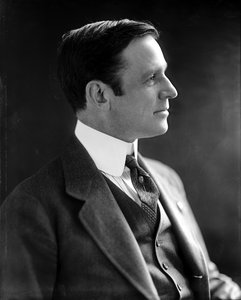
Ernest Clifford Peixotto
1869 - 1940 , United States of America
Quick Facts
- Artistic Movement Or Style: Impressionism, Realism
- Artists Who Influenced This Artist:
- Emil Carlsen
- Jean-Joseph Benjamin-Constant
- Theodore Robinson
- Date Of Birth: October 15, 1869
- Date Of Death: December 6, 1940
- Full Name: Ernest Clifford Peixotto
- Nationality: American
- Notable Artworks:
- Morristown
- The Minute Man Monument
- Monument
- Our Hispanic Southwest
- Place Of Birth: San Francisco, USA