 Preview
 Send
Send Share
Share
 Details

 Download
 Similars
 X-Ray
X-Ray Diaporama
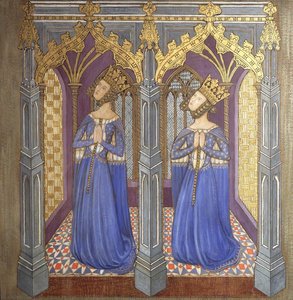
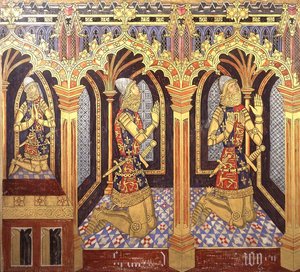
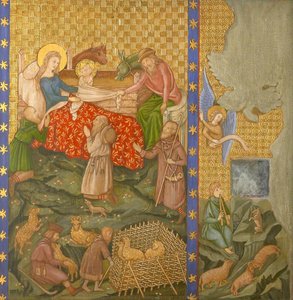
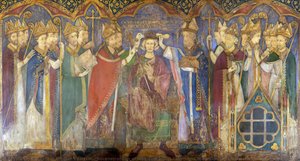
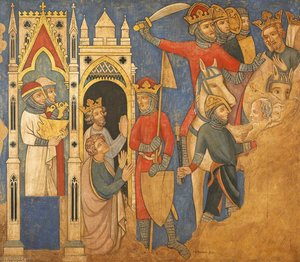
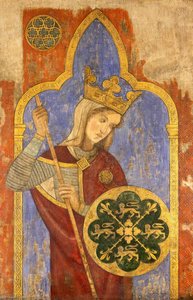
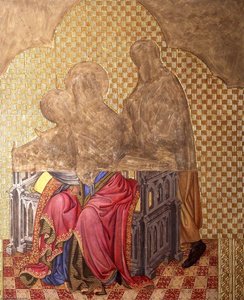
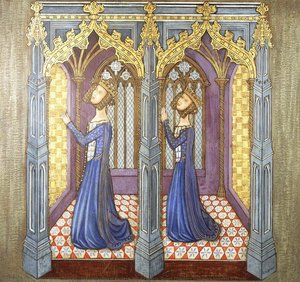
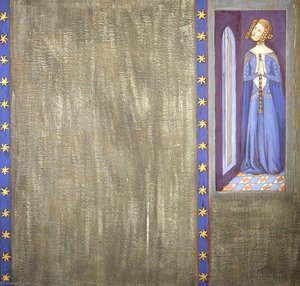
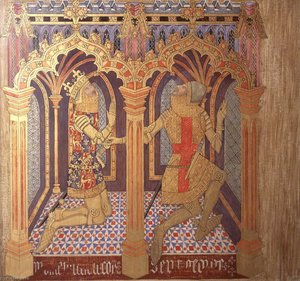
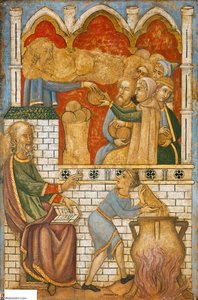
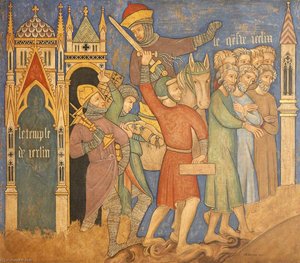
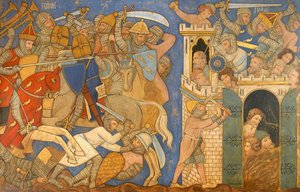
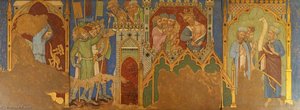
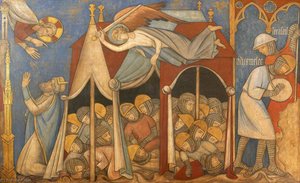
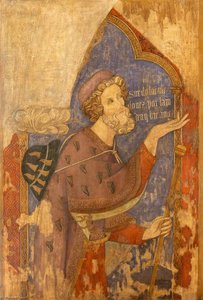
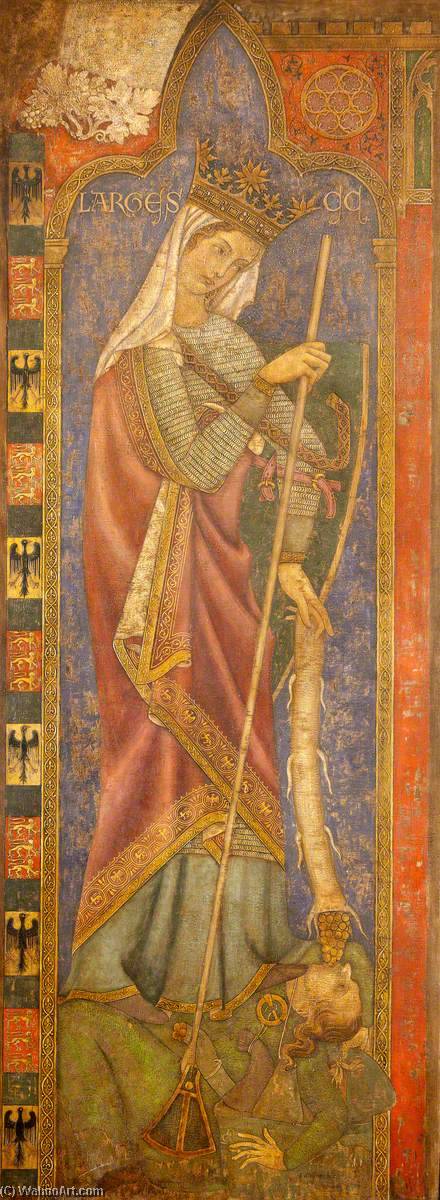
Reconstruction of Medieval Mural Painting, Virtue and Vice Triumph of Largesce over Covoitise
 1927
1927 267.0 x 97.0 cm
 Read More
Hand Made Oil Reproduction
Hand-painted oil on canvas in your size and frame, made to order by our artists. ( Buy Print Buy Image)




































Pick from our preset sizes that match the artwork's original proportions.

You may enter your own dimensions to fit a specific frame or space. If your selected size does not match the original image's proportions, we will either crop the artwork or extend the painting with additional hand-painted elements. A digital mockup will be sent for your approval before production begins.
Please note that the on-screen preview does not reflect the actual cropping or extension. Only the mockup will accurately show the final composition.
While custom sizes are available, we recommend selecting a dimension from the predefined list to preserve the original proportions.
After order, ArtsDot.com team will email client for instructions and provide a mockup preview
Worldwide Delivery () in 3/4 weeks instead of standard 5 weeks. (16 August). No compromise on quality.

Free Worldwide Express Shipping

High-Quality Linen Canvas

Full Shipping Insurance

Customs Tax Refund Guarantee

True Color Matching Guarantee

60-Day Return Policy (Defects Only)

100% Money-Back Guarantee

Bulk Discount Offer
 Glass option is only available in size under 110 CM

Reconstruction of Medieval Mural Painting, Virtue and Vice Triumph of Largesce over Covoitise
Reproduction Medium
Reproduction Size
-


Total Price
$ 263
Related Artworks
Artist Biography
Ernest William Tristram (1882–1952): A Pioneer of Medieval Mural Painting and Artistic Legacy
Ernest William Tristram (1882–1952) stands as a remarkable figure in British art history, recognized primarily for his meticulous documentation and conservation efforts within the realm of medieval mural painting. Born in Carmarthen, Wales, he embarked on an artistic journey fueled by a profound fascination with the visual heritage of Britain’s past—a passion that would define his scholarly pursuits and creative output throughout his life.Early Life and Artistic Training
Tristram's formative years were marked by academic excellence at Carmarthen Grammar School, where he demonstrated exceptional aptitude in both chemistry and studio art – disciplines that would prove instrumental in shaping his artistic sensibilities. Following graduation, he pursued formal training at the Royal College of Art under the tutelage of W. R. Lethaby, a celebrated scholar and artist whose influence extended far beyond Tristram’s immediate academic circle. This immersive experience solidified Tristram's commitment to rigorous observation and analytical thinking—skills that would become hallmarks of his subsequent artistic endeavors.A Dedicated Conservator: Rediscovering Medieval Treasures
Tristram’s professional career centered around the preservation and study of medieval murals, a vocation he pursued with unwavering dedication throughout his lifetime. He meticulously catalogued and analyzed existing wall paintings across England and Ireland, employing innovative techniques informed by his scientific background to assess their condition and propose appropriate conservation strategies. His groundbreaking work on St Elisabeth's Eastbourne and York Minster exemplifies this commitment—resulting in stunning reconstructions that illuminate the grandeur and symbolism of these historic artworks. Notably, he collaborated with Monty James on *Archaeologia*, furthering scholarly understanding of medieval art practices.Notable Artistic Achievements: Painting and Documentation
Beyond his conservation work, Tristram produced original paintings that showcased his artistic talent and stylistic vision. His chancel wall panels for St Elisabeth's Eastbourne depict Saint John the Baptist and his parents in a luminous Byzantine-Gothic style—a testament to his ability to synthesize diverse influences into cohesive compositions. Similarly, his contributions to Saint Fin Barre’s Cathedral in Cork City reflect his meticulous attention to detail and masterful execution. His extensive photographic documentation of medieval murals – including detailed sketches and watercolors – constitutes an invaluable resource for art historians and contributes significantly to the preservation of Britain's artistic heritage.Influence and Legacy
Ernest William Tristram’s scholarly contributions profoundly impacted the field of art history, establishing him as a leading voice in the study of medieval painting. His magnum opus, *English Medieval Wall Painting*, published between 1944 and 1950, remains a cornerstone of academic research—providing comprehensive insights into artistic techniques, stylistic trends, and historical contexts. Tristram’s meticulous approach to conservation cemented his reputation as a champion of cultural heritage, inspiring generations of artists and scholars alike. His legacy continues to resonate within the art world today, reminding us of the importance of scholarly rigor combined with artistic sensitivity in safeguarding our collective past.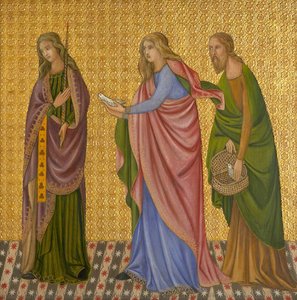
ernest william tristram
1882 - 1952
Quick Facts
- Artistic Movement Or Style: Academic Art Style
- Artists Or Movements Influenced By This Artist: ['English Medieval Painting']
- Artists Who Influenced This Artist: ['W. R. Lethaby']
- Date Of Birth: 1882
- Date Of Death: 1952
- Full Name: Ernest William Tristram
- Nationality: British
- Notable Artworks:
- La Païva
- The Sir William Dunn School of Pathology
- Place Of Birth: Carmarthen, Wales