 Preview
 Send
Send Share
Share
 Details

 Download
 Similars
 X-Ray
X-Ray Diaporama
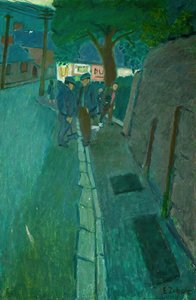
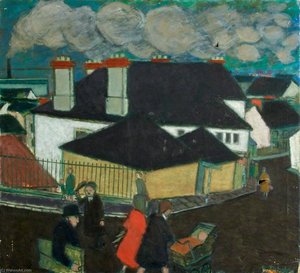
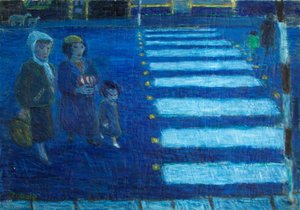
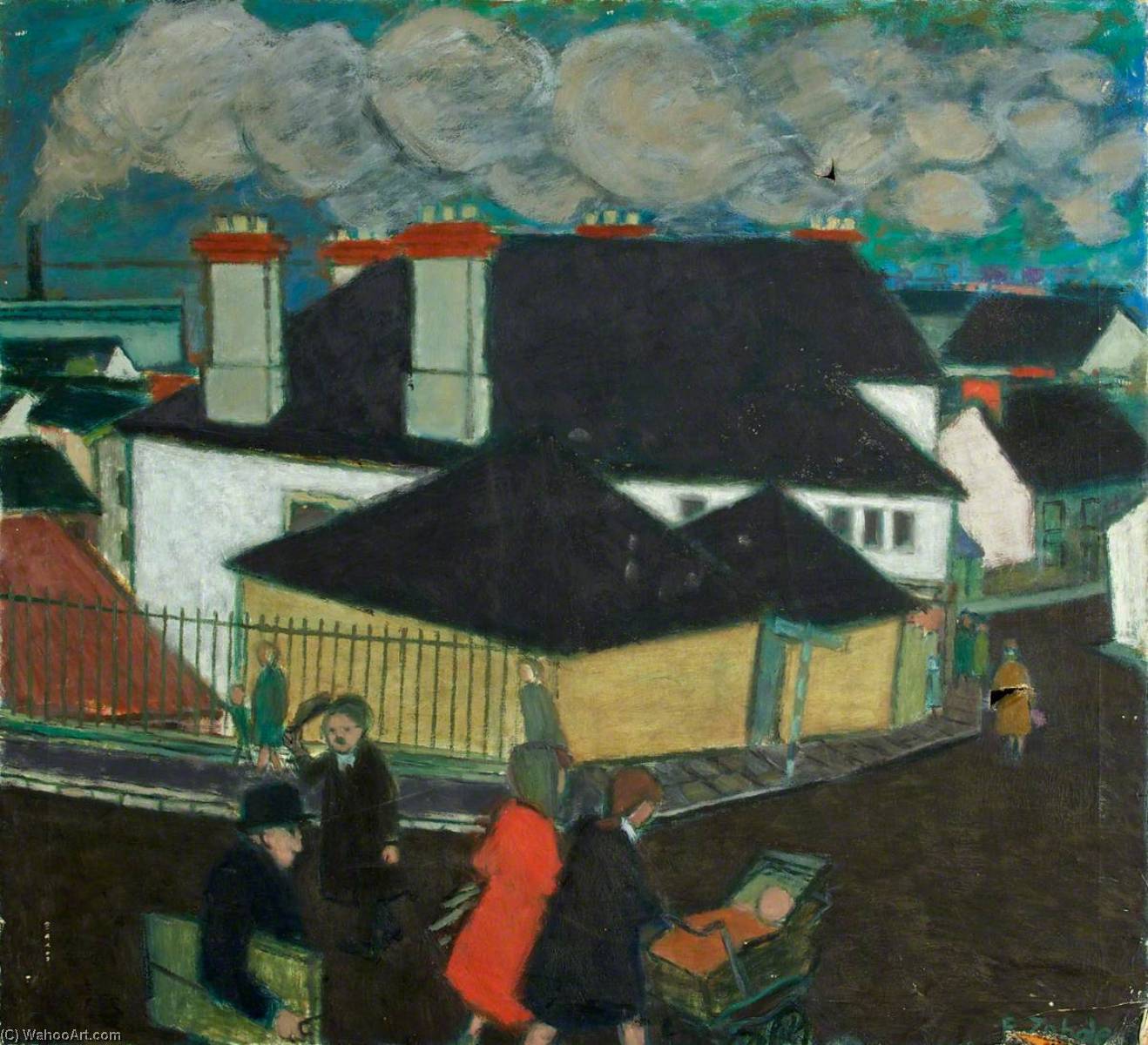
Figures with a Pram in a Street, Ystrad, c.1948–1950
 Oil
Oil- WallArt
- Post-Impressionism
 1950
1950- Modern
 81.0 x 89.0 cm
 University of South Wales Art Collection Museum
 Read More
Hand Made Oil Reproduction
Hand-painted oil on canvas in your size and frame, made to order by our artists. ( Buy Print Buy Image)




P118B $10

P118H $10

P118W $10

P438Z $10

P508JH $12

P508YH $12

P805H $10

P805Z $10

P919BZ $10

P919G $10

P919XJ $10

P959ZH $10

P968JZ $12

W106C $8

W218G $10

W218JH $8

W218Y $10

W307PJ $10

W316G $10

W316PJ $8

W316Y $10

W398PJ $8

W4111J $10

W500HY $15

W500JH $15

W692G $12

W849H $8

W940BG $15

W953PJ $8




Pick from our preset sizes that match the artwork's original proportions.

You may enter your own dimensions to fit a specific frame or space. If your selected size does not match the original image's proportions, we will either crop the artwork or extend the painting with additional hand-painted elements. A digital mockup will be sent for your approval before production begins.
Please note that the on-screen preview does not reflect the actual cropping or extension. Only the mockup will accurately show the final composition.
While custom sizes are available, we recommend selecting a dimension from the predefined list to preserve the original proportions.
After order, ArtsDot.com team will email client for instructions and provide a mockup preview
Worldwide Delivery () in 3/4 weeks instead of standard 5 weeks. (25 August). No compromise on quality.

Free Worldwide Express Shipping

High-Quality Linen Canvas

Full Shipping Insurance

Customs Tax Refund Guarantee

True Color Matching Guarantee

60-Day Return Policy (Defects Only)

100% Money-Back Guarantee

Bulk Discount Offer
 Glass option is only available in size under 110 CM

Figures with a Pram in a Street, Ystrad, c.1948–1950
Reproduction Medium
Reproduction Size
-


Total Price
$ 263
Artwork Description
A Window into Post-War Wales: The Soul of Ystrad
In the quiet, evocative strokes of Ernest Zobole, we find more than just a depiction of a street; we encounter a living, breathing fragment of history. Figures with a Pram in a Street, Ystrad, dating from approximately 1948–1950, serves as a poignant visual diary of the Rhondda Valleys during a period of profound transition. The scene captures a moment of everyday life, where the rhythmic movement of pedestrians, the presence of a baby carriage, and the casual wandering of dogs coalesce into a tapestry of communal existence. There is an undeniable sense of motion within this composition—a traveler with a suitcase, figures navigating the sidewalk, and the subtle suggestion of rest in a solitary chair—all working together to portray a world that was both industrious and intimately connected.
The artist’s technique, rooted in his deep connection to the Welsh landscape, utilizes a masterful approach to light and shadow. Though the scene is rendered with a focus on the structural elements of the street, the atmosphere is thick with the nostalgia of a vanishing era. Zobole possesses the rare ability to transform a mundane urban setting into something cinematic. The interplay between the figures and their environment suggests a narrative far larger than what is visible on the surface; it speaks to the resilience of working-class communities and the quiet dignity found in the routine of daily life. For the collector, this piece offers a profound sense of place, inviting the viewer to step into the cool, morning air of a post-war Welsh town.
Timeless Elegance for the Modern Interior
For interior designers and connoisseurs of fine art, this work presents a sophisticated opportunity to introduce character and historical depth into a curated space. The monochromatic essence of the composition allows it to integrate seamlessly into various design aesthetics, from the stark minimalism of contemporary galleries to the warm, textured layers of a classic study. Because the painting focuses on the structural beauty of the streetscape and the human element, it acts as an anchor in a room, providing a focal point that encourages contemplation without overwhelming the surrounding decor.
Owning a high-quality reproduction of such a significant piece by Zobole is an investment in storytelling. It is not merely a decorative object but a conversation starter that brings the grit and beauty of the Rhondda Valleys into the home. Whether placed in a sunlit hallway or a moody, dimly lit library, Figures with a Pram in a Street radiates an emotional resonance that transcends time, offering a permanent connection to the soulful landscapes of mid-century Britain.
Related Artworks
Artist Biography
The Soul of the Valleys: The Life and Vision of Ernest Zobole
Ernest Zobole (1927-1999) remains a singular voice in Welsh art history, an artist whose canvases breathed with the grit and beauty of the Rhondda Valleys during the twilight years of industrial Britain. Born in Tylorstown, within the heart of Rhondda Cynon Taf, Zobole’s formative years were deeply steeped in the atmosphere of coal mining communities. As the son of a miner, he absorbed firsthand the rhythms of working-class life—the camaraderie, the hardship, and above all, the profound connection to the land. This intimate familiarity with the landscape would later become the emotional bedrock of his work, allowing him to document a vanishing world through a lens imbued with deep, personal resonance.
His artistic journey began in earnest during his studies at the Cardiff School of Art, where he honed his technical mastery of watercolor and oil painting. However, Zobole’s true creative breakthrough was forged through his involvement with the Rhondda Group. This collective of artists, including figures such as Gwyneth Roberts and David Davies, sought to move beyond mere topographical representation. They aimed for a deeper expression of feeling, capturing not just the physical reality of industrial Wales, but how that reality felt to those living within it. Through this movement, Zobole found his purpose: portraying the landscapes of Ystrad and Llwynypia not merely as collections of coal mines and slag heaps, but as living entities imbued with melancholy, resilience, and an enduring spirit.
A Symphony of Color and Expression
Zobole’s distinctive style is a captivating blend of Expressionist influences and a unique, almost hallucinatory quality. Drawing inspiration from masters such as Edvard Munch and Franz Marc, he eschewed meticulous, photographic detail in favor of capturing the raw essence of a scene. His technique is characterized by bold, energetic brushstrokes and a vibrant color palette that can transform a somber industrial landscape into something otherworldly and emotionally charged. In works like Ystrad, Rhondda, one can witness this mastery, where the post-impressionist beauty of the Welsh countryside meets a profound sense of atmosphere.
The power of his work lies in its ability to balance the heavy reality of industrial decay with a soaring, imaginative spirit. His paintings often feature:
- Dynamic Landscapes: Depictions of hills and houses that seem to pulse with life, as seen in Houses and Hills.
- Emotional Coloration: The use of intense hues to convey the psychological weight of the mining era.
- Structural Essence: A focus on the skeletal beauty of the valleys, prioritizing the mood of the landscape over literal accuracy.
Legacy and Historical Significance
Though his recognition was largely concentrated within Wales during his lifetime, the historical significance of Ernest Zobole cannot be overstated. He served as a vital chronicler of a pivotal era in British history, capturing the transition of the Rhondda Valleys from industrial powerhouses to the quiet, reflective landscapes they are today. His work provides a visual archive of the 56 Group Wales era and the broader post-war Welsh art movement, documenting the social and physical transformations of his homeland.
Ultimately, Zobole’s legacy is found in his ability to find beauty in the industrial and the profound in the everyday. He did not merely paint landscapes; he painted the collective memory of a people. Through his expressive canvases, the grit of the coal mines and the rolling hills of the Rhondda are preserved forever, rendered with a passion that ensures the spirit of his community will never truly fade.
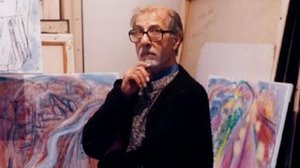
ernest zobole
1927 - 1999
Quick Facts
- Artistic Movement Or Style: Expressionism
- Artists Or Movements Influenced By This Artist: ['Romanticism']
- Artists Who Influenced This Artist: ['George Stubbs']
- Date Of Death: 1999
- Full Name: Ernest Zobole
- Nationality: Welsh
- Notable Artworks: ['Ystrad Paintings']
- Place Of Birth: Rhondda Valley, Wales
Related Articles

White on Canvas: 10 Masterpieces & Timeless Elegance for Your Home Decor
Explore 10 iconic white paintings by Monet, Whistler & Rothko! Discover the stories behind these serene masterpieces and their impact on art history. Find museum-quality reproductions for your home decor at .

Dark Masterpieces: 10 Iconic Paintings Dominated by Black Tones |
Explore 10 iconic paintings dominated by black tones, from Rembrandt’s chiaroscuro to Goya's dark expressions. Discover the stories behind these masterpieces & find museum-quality art reproductions for your home at .

Monochrome Visions: Exploring the Aesthetic & Historical Significance of Black & White Photography
Explore the rich history & artistic power of black and white photography. From early techniques to iconic masters like Ansel Adams, discover why monochrome continues to captivate art lovers today. Expert insights for collectors.
Mars Black Masterpieces: 10 Iconic Paintings & Timeless Art Decor Ideas
Delve into the power of 'Mars Black' with 10 iconic paintings by masters like Rembrandt & Caravaggio. Explore dramatic chiaroscuro, gothic art, and timeless beauty. Find museum-quality reproductions & elevate your home decor on .
The Subtleties of White: Exploring Absence, Light & Symbolism in Art History
Explore the profound symbolism & history of white in art! From ancient purity to modern abstraction, discover how artists have used absence & light. Expert insights from ArtsDot.