 Preview
 Send
Send Share
Share
 Details

 Download
 Similars
 X-Ray
X-Ray Diaporama
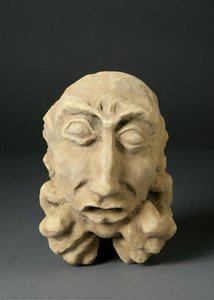
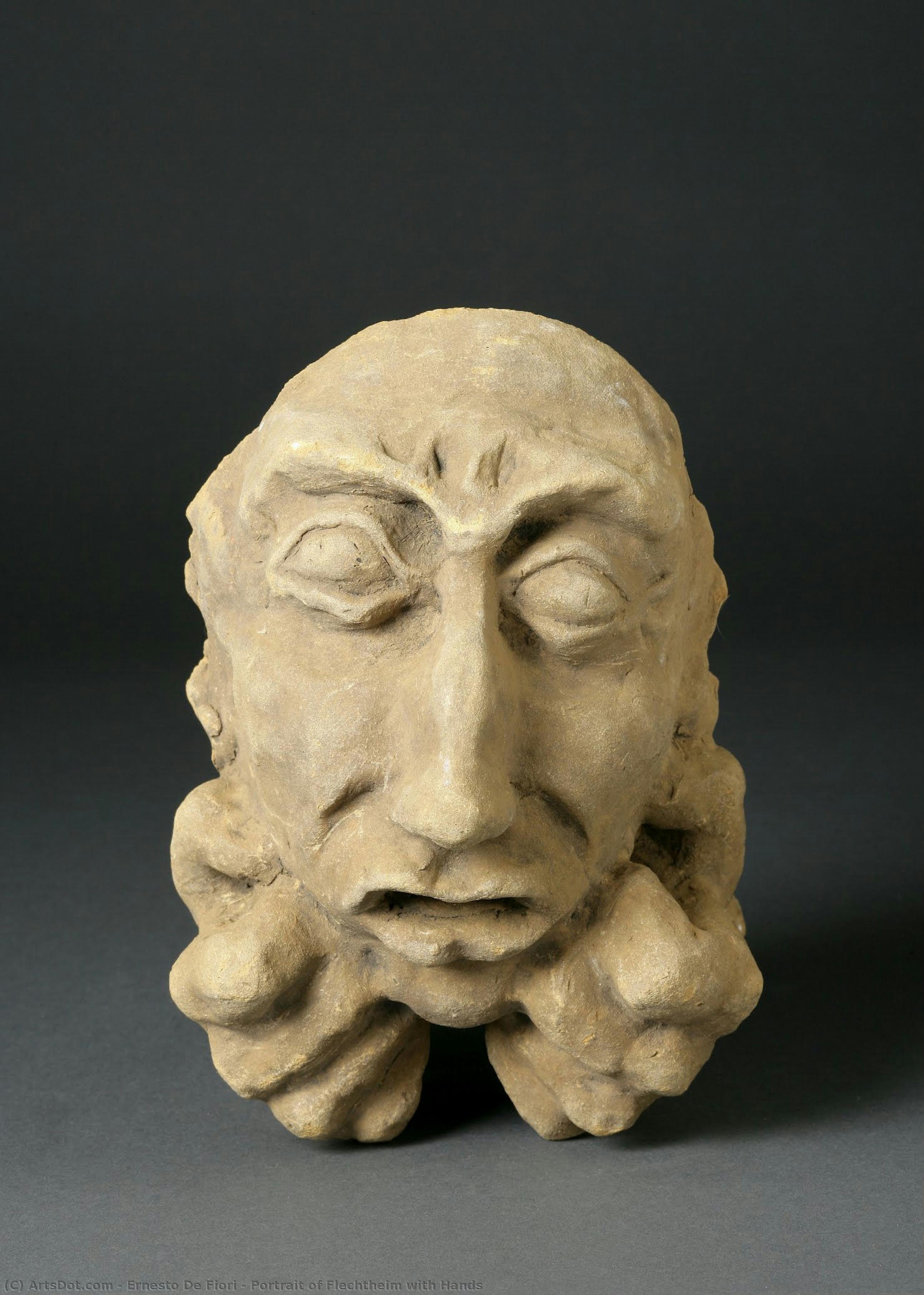
Portrait of Flechtheim with Hands
 1928
1928 15.0 x 18.0 cm
 Lehmbruck Museum
 Read More
Hand Made Oil Reproduction
Hand-painted oil on canvas in your size and frame, made to order by our artists. ( Buy Print Buy Image)




































Pick from our preset sizes that match the artwork's original proportions.

You may enter your own dimensions to fit a specific frame or space. If your selected size does not match the original image's proportions, we will either crop the artwork or extend the painting with additional hand-painted elements. A digital mockup will be sent for your approval before production begins.
Please note that the on-screen preview does not reflect the actual cropping or extension. Only the mockup will accurately show the final composition.
While custom sizes are available, we recommend selecting a dimension from the predefined list to preserve the original proportions.
After order, ArtsDot.com team will email client for instructions and provide a mockup preview
Worldwide Delivery () in 3/4 weeks instead of standard 5 weeks. (29 August). No compromise on quality.

Free Worldwide Express Shipping

High-Quality Linen Canvas

Full Shipping Insurance

Customs Tax Refund Guarantee

True Color Matching Guarantee

60-Day Return Policy (Defects Only)

100% Money-Back Guarantee

Bulk Discount Offer
 Glass option is only available in size under 110 CM

Portrait of Flechtheim with Hands
Reproduction Medium
Reproduction Size
-


Total Price
$ 263
Related Artworks







Artist Biography
A Life Between Worlds: The Wandering Soul of Ernesto de Fiori
The life of Ernesto de Fiori was a tapestry woven from the diverse threads of European and South American history, a journey marked by brilliant cultural ascendance and the tragic shadows of political upheaval. Born in Rome in 1884 to an Austrian mother and an Italian father, Fiori was a child of the old world's complex borders. His early years were defined by a restless, cosmopolitan spirit that led him from the classical foundations of Italy to the rigorous academic training of Munich’s Academy of Fine Arts. This formative period, steeped in the traditions of his ancestors, provided him with a technical mastery that would later allow him to navigate the radical shifts of 20th-century modernism with unparalleled grace.
As he moved through the vibrant artistic hubs of Paris and Berlin, Fiori’s work began to shed its classical skin. In the legendary cafes of Paris, under the lingering influence of masters like Degas and Maillol, he experienced a profound metamorphosis, temporarily setting aside the brush to embrace the tactile, rhythmic language of sculpture. His hands sought to capture the slender contours and riven surfaces that defined the era's sculptural innovation. By the time he reached the feverish atmosphere of the Weimar Republic, Fiori had become a central protagonist in Berlin’s avant-garde scene. He was not merely an observer but a participant in the era's intellectual fervor, working alongside influential dealers like Alfred Flechting and capturing the very essence of a society caught between decadent luxury and burgeoning modernism.
The Shadow of Degeneracy and the Brazilian Refuge
The glittering social portraits that defined his early fame—works that captured the sensitive precision of Berlin's cultural elite—were soon threatened by the rising tide of darkness in Germany. The ascent of the Nazi regime brought a chilling end to Fiori’s European prominence. In 1937, the artist was branded with the devastating label of "degenerate," a designation used by the state to delegitimize the very soul of modern expression. This political condemnation forced him into a sudden and profound exile, severing his ties to the German landscape he had helped shape. Yet, where many might have seen an end, Fiori found a new beginning in the lush, transformative landscapes of Brazil.
Arriving in Brazil, Fiori brought with him the sophisticated techniques of the European avant-garde, blending them with the burgeoning spirit of Brazilian modernism. His work underwent a fascinating evolution; the meticulous detail of his earlier portraiture began to merge with new explorations in geometric abstraction and form. This period of his life represents a remarkable resilience of the creative spirit—a refusal to let political persecution extinguish his artistic light. In Brazil, he continued to produce works that reflected a deep engagement with modern principles, ensuring that his artistic dialogue remained unbroken despite the geographical and emotional distance from his homeland.
Legacy of a Cosmopolitan Visionary
The historical significance of Ernesto de Fiori lies in his ability to act as a bridge between disparate worlds. He was an artist who embodied the duality of his heritage, moving seamlessly between the classical traditions of Rome and the experimental frontiers of Berlin and São Paulo. His life serves as a poignant reminder of the vulnerability of art in the face of tyranny, but also of its enduring power to transcend borders. To look upon a Fiori portrait or sculpture is to witness a moment of profound human connection, captured through a lens that was simultaneously shaped by the elegance of the past and the radical energy of the modern age.
His contributions can be summarized through several defining pillars of his career:
- Mastery of Form: A rare ability to transition between the delicate precision of oil painting and the structural complexity of sculpture.
- Social Documentation: His role as a premier society portraitist during the Weimar Republic, capturing the intellectual pulse of an era.
- Cultural Synthesis: The successful integration of European Expressionism and Symbolism into the evolving landscape of Brazilian Modernism.
- Resilience in Exile: The profound achievement of maintaining artistic relevance and innovation while navigating the hardships of political displacement.
ernesto de fiori
1884 - 1945 , Italy
Quick Facts
- Artistic Movement Or Style: Weimar Republic Art
- Artists Or Movements Influenced By This Artist: ['Alfredo Volpi']
- Date Of Birth: December 12, 1884
- Date Of Death: April 24, 1945
- Full Name: Ernesto de Fiori
- Nationality: Italian & German
- Notable Artworks:
- Portrait of Flechtheim with Hands
- Marinha
- Place Of Birth: Rome, Italy