 Preview
 Send
Send Share
Share
 Details

 Download
 Similars
 X-Ray
X-Ray Diaporama
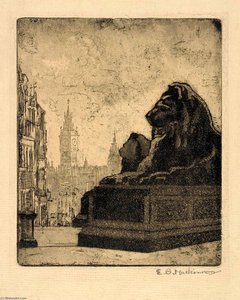
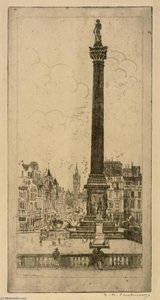
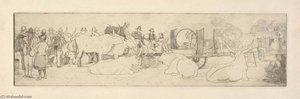
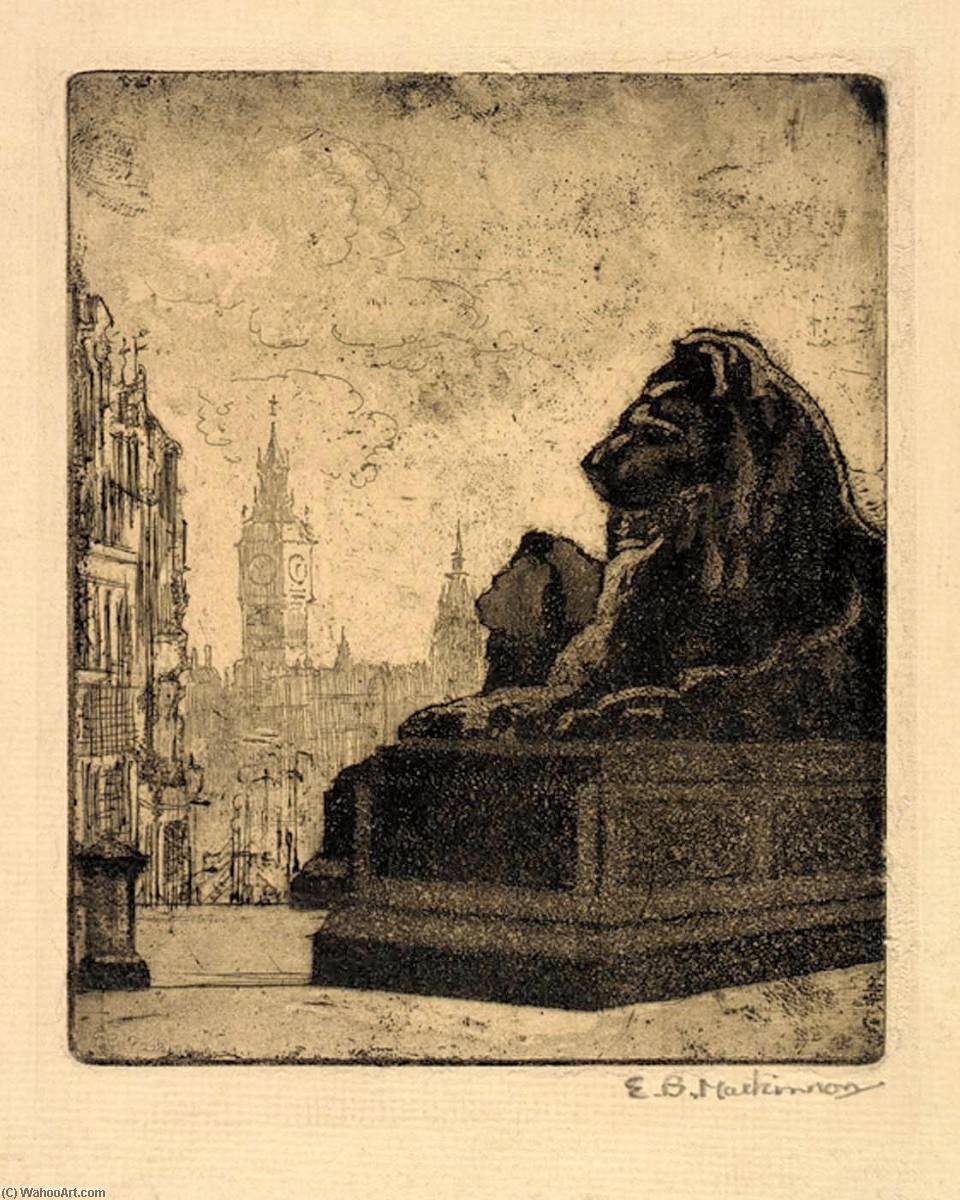
Lions in a London Square
 1934
1934 14.0 x 11.0 cm
 Read More
Hand Made Oil Reproduction
Hand-painted oil on canvas in your size and frame, made to order by our artists. ( Buy Print Buy Image)




































Pick from our preset sizes that match the artwork's original proportions.

You may enter your own dimensions to fit a specific frame or space. If your selected size does not match the original image's proportions, we will either crop the artwork or extend the painting with additional hand-painted elements. A digital mockup will be sent for your approval before production begins.
Please note that the on-screen preview does not reflect the actual cropping or extension. Only the mockup will accurately show the final composition.
While custom sizes are available, we recommend selecting a dimension from the predefined list to preserve the original proportions.
After order, ArtsDot.com team will email client for instructions and provide a mockup preview
Worldwide Delivery () in 3/4 weeks instead of standard 5 weeks. (25 August). No compromise on quality.

Free Worldwide Express Shipping

High-Quality Linen Canvas

Full Shipping Insurance

Customs Tax Refund Guarantee

True Color Matching Guarantee

60-Day Return Policy (Defects Only)

100% Money-Back Guarantee

Bulk Discount Offer
 Glass option is only available in size under 110 CM

Lions in a London Square
Reproduction Medium
Reproduction Size
-


Total Price
$ 263
Related Artworks




Artist Biography
The Visionary Lines of Esther Blaikie MacKinnon
In the vibrant, shifting landscape of the early twentieth-century British art scene, few artists possessed the delicate precision and atmospheric sensitivity of Esther Blaikie MacKinnon. Born in Aberdeen in 1885, MacKinnon emerged from a family defined by intellectual rigor and artistic passion. The daughter of Lachlan MacKinnon, a barrister, and Theodora Thompson, her upbringing was steeped in the pursuit of excellence; she grew up alongside sisters who would find their own fame in the realms of zoology and music. This environment of keen observation and disciplined creativity became the bedrock of her practice, allowing her to develop a style that balanced the structural permanence of engraving with the ephemeral beauty of watercolor.
Her artistic journey was shaped by formal training at the Edinburgh College of Art, where she mastered the demanding techniques of engraving and watercolor. It was here that she began to cultivate her unique ability to translate the physical world into intricate textures of light and shadow. MacKinnon’s work is characterized by a profound respect for detail, whether she was rendering the weathered stone of a historic abbey or the bustling energy of a London street. Her mastery of dry point and etching allowed her to create works with a tactile depth, where every line served to capture the subtle nuances of the British landscape and its architectural heritage.
A Mastery of Medium and Subject
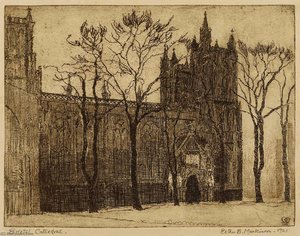
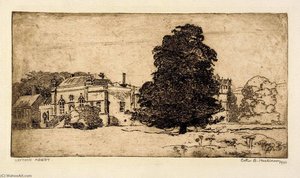
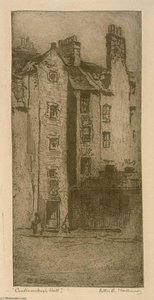
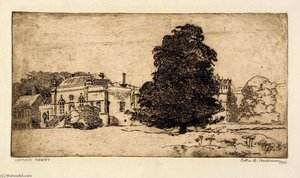
MacKinnon’s oeuvre is a testament to her versatility as a multi-disciplinary artist. She moved seamlessly between the stark, monochromatic precision of black and white drawings and the evocative, fluid nature of paint. Her etchings, such as the 1923 masterpiece Leycock Abbey, demonstrate an extraordinary command of tonal engraving, where the interplay of light and dark breathes life into Gothic architecture. In these works, one can sense her dedication to capturing the soul of a place, rendering not just a building, but the very atmosphere that surrounds it.
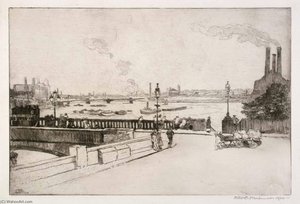
Beyond the stillness of historical monuments, MacKinnon possessed a keen eye for the pulse of contemporary life. Her work Chelsea, created in 1924, offers a captivating glimpse into the urban vitality of the era. Through her etching, she captured the rhythmic movement of people, horses, and bicycles against the backdrop of London’s waterways, effectively freezing a moment of Edwardian transition within a single, intricate frame. This ability to oscillate between the monumental and the momentary—between the enduring stone of an abbey and the fleeting motion of a street scene—is what defines her artistic legacy.
Recognition and Lasting Legacy
The significance of MacKinnon’s contribution to British art is reflected in the prestigious venues that hosted her work during her lifetime. Her talent earned her well-deserved acclaim from the Royal Scottish Academy and the Royal Glasgow Institute of Fine Art, establishing her as a respected figure within the Scottish artistic community. Furthermore, her exhibitions with the Society of Women Artists highlighted her role in a generation of female artists who were carving out significant spaces for themselves in the professional art world.
Though her life was tragically short, ending in 1934, the impact of her meticulous craftsmanship remains preserved in esteemed collections, including the Smithsonian American Art Museum. Her work continues to resonate with modern viewers, offering a window into the textures and tones of a bygone era. Through her ability to marry technical rigor with emotional depth, Esther Blaikie MacKinnon ensured that her vision of the British landscape and its people would endure long after the ink had dried on her plates.
esther blaikie mackinnon
1885 - 1934
Quick Facts
- Artistic Movement Or Style: Victorian Art
- Artists Or Movements Influenced By This Artist: ['Royal Academy']
- Artists Who Influenced This Artist: ['Cecil Sharp']
- Date Of Birth: 1885
- Date Of Death: 1934
- Full Name: Esther Blaikie MacKinnon
- Nationality: Scottish
- Notable Artworks:
- Leycock Abbey
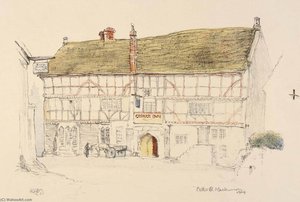
- George Inn
- Place Of Birth: Aberdeen