

 Preview
 Send
Send Share
Share
 Details

 Download
 Similars
 X-Ray
X-Ray Diaporama
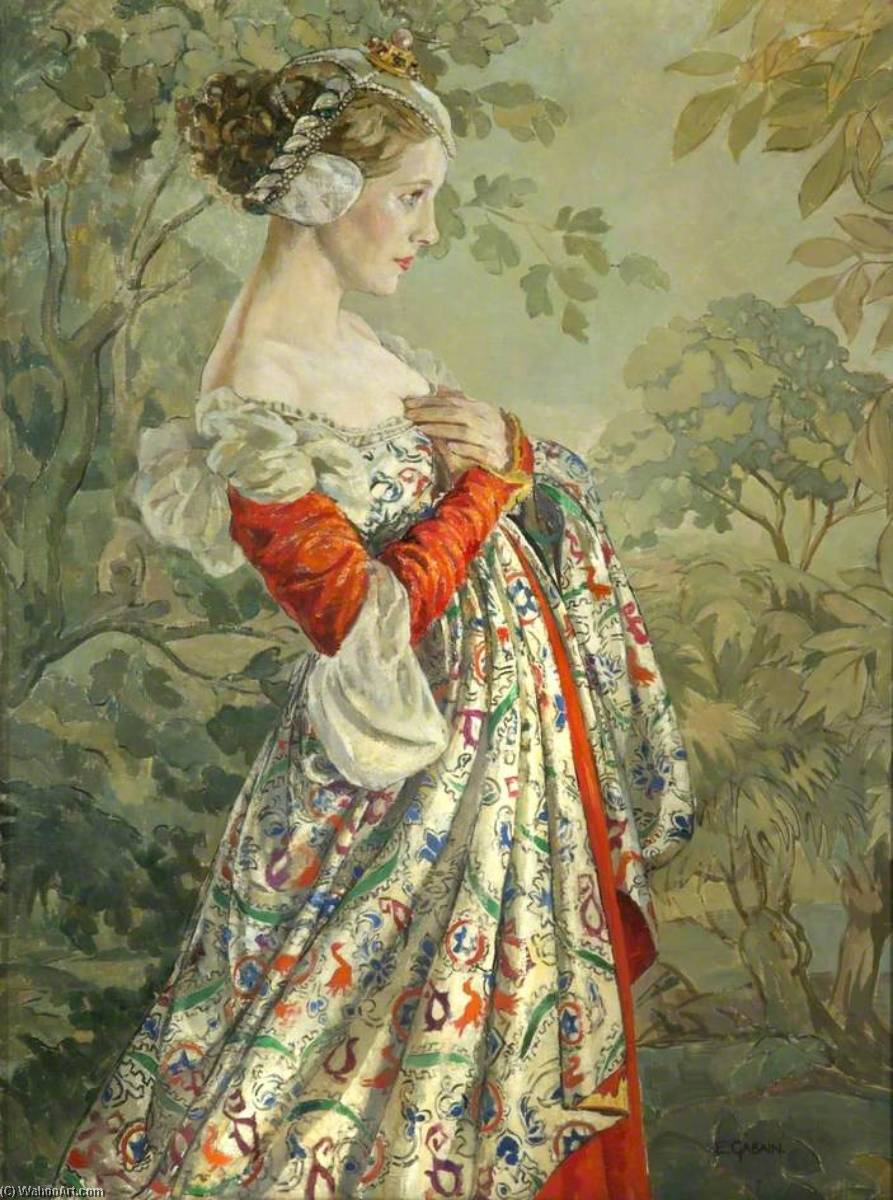
Diana Wynyard in 'The Silent Knight'
 Oil On Canvas
- WallArt
- Neo-Romanticism
 1938
1938- Modern
 102.0 x 76.0 cm
 Walker Art Gallery
 Read More
Purchase a high-resolution, enhanced digital image, far superior to the online preview.
Each file is meticulously prepared by our in-house specialists using advanced tools and expert manual retouching. We ensure every image has exceptional clarity, precise color accuracy, and fine detail.
The final file is delivered via email within 72 hours, optimized for immediate use in professional, editorial, and print environments. This is the same quality trusted by top-tier design studios, publishers, and galleries.
Digital Image
Download a high-resolution file for personal display, printing, and creative projects. ( Buy Print Buy Hand Made Painting)
Included in Every Digital Image Order
Expert Digital Delivery, Guaranteed
When you choose ArtsDot.com, you're not just getting an image - you're receiving a professionally enhanced digital artwork, crafted with precision and backed by a satisfaction guarantee. Here's everything that comes with your order, automatically:

Fast Email Delivery
Your high-resolution digital image file will be emailed to you within 72 hours of ordering - ready for immediate use.

AI-Enhanced Digital File
Your artwork is professionally optimized using advanced AI tools and manual editing, ensuring maximum detail, clarity, and color accuracy.

Free Lifetime Re-Delivery
Accidentally deleted or lost your file? No worries - we'll resend it to you anytime, free of charge.

No Import Fees - Ever
Enjoy your artwork instantly with zero customs, duties, or delivery fees - digital downloads are always tax-free.

Color Accuracy Guarantee
We ensure your digital image reflects the original colors as closely as possible using professional tools and color management.

60-Day Satisfaction Guarantee
If you're not satisfied with your digital image, we'll revise it or refund 100% within 60 days - no questions asked.

100% Money-Back Guarantee
Not satisfied? Get a full refund within 60 days of receiving your digital file - no questions asked.

Bulk Order Discounts
Buy 3 images, save 10% - Buy 5, save 15% - Buy 10+, save 20%. Great for creative projects, galleries, and agencies.
Collectible Description
A Portrait Steeped in Melancholy: Diana Wynyard by Ethel Léontine Gabain
Ethel Léontine Gabain’s “Diana Wynyard in ‘The Silent Knight’” transcends mere representation; it embodies a profound exploration of femininity and resilience within the framework of Neo-Romanticism. Painted in 1938, this striking portrait captures Diana Wynne Lloyd, a celebrated British actress known for her roles in films like “Harold Leese” and “A Star is Born,” with an arresting gaze directed downwards—a gesture that speaks volumes about introspection and quiet contemplation.
Gabain’s masterful technique utilizes oil paint on canvas to achieve remarkable tonal depth and luminosity. The artist skillfully employs chiaroscuro – the dramatic interplay of light and shadow – to sculpt Wynne Lloyd's figure, emphasizing her delicate features and conveying a palpable sense of vulnerability. Gabain’s meticulous brushwork contributes to an overall texture that is both tactile and emotionally resonant.
Historical Context: Echoes of Romantic Idealism
The painting emerged during the waning years of the Edwardian era and the burgeoning optimism of the interwar period, yet Gabain subtly infuses her work with elements of Neo-Romanticism. This artistic movement reacted against the rigid formalism of Impressionism, prioritizing emotional expression and subjective experience over objective observation. Gabain’s focus on capturing inner states aligns perfectly with this aesthetic sensibility.
Wynne Lloyd herself was a figure of considerable renown during her time—a woman who defied societal expectations and pursued artistic endeavors despite facing challenges common to women artists of the era. Gabain's portrayal honors Wynne Lloyd's spirit, presenting her as an emblem of grace and inner strength amidst uncertainty.
Symbolism: The Crown and Downward Glance
The prominent crown adorning Wynne Lloyd’s head serves as a potent symbol—representing royalty, dignity, and perhaps even aspiration. However, it is Wynne Lloyd's downward gaze that commands particular attention. This posture suggests humility, sorrow, and an awareness of burdens carried silently. Gabain expertly utilizes visual cues to convey complex emotions beyond the surface appearance.
The muted palette—dominated by shades of red and white—further enhances the painting’s melancholic atmosphere. The crimson hue evokes passion and vitality, yet it is tempered by the coolness of white lace, symbolizing purity and fragility. Gabain's careful color choices contribute to a harmonious balance that underscores the artwork’s emotional core.
Emotional Impact: A Moment Frozen in Time
"Diana Wynyard in ‘The Silent Knight’” remains an enduring testament to Gabain’s artistic vision—a captivating portrait that invites viewers to contemplate themes of femininity, resilience, and inner reflection. The painting's evocative imagery continues to resonate with audiences today, demonstrating the timeless power of art to communicate profound emotions.
Gabain’s ability to distill complex psychological states into a single visual image is undeniable—a feat achieved through masterful technique and astute observation. This artwork stands as a poignant reminder that beauty can reside in sorrow, and that true artistry lies in capturing the essence of human experience.
Related Artworks
Artist Biography
A Life Etched in Light and Shadow
Ethel Léontine Gabain, a name perhaps less instantly recognizable than some of her contemporaries, nevertheless occupies a significant place in the narrative of early 20th-century British art. Born in Le Havre, France, in 1883 to a French father and Scottish mother, Gabain’s artistic journey was one of remarkable independence and quiet innovation. Her story is not simply that of a painter or printmaker, but of a woman navigating the complexities of an evolving art world while forging her own path with unwavering dedication. The blend of her heritage – a foot in both French artistic tradition and British sensibility – shaped a unique perspective reflected in her evocative works. From a young age, she demonstrated a keen aptitude for visual expression, nurtured during her education at Wycombe Abbey School where she was even commissioned to paint the headmistress, an early indication of her burgeoning talent. This foundation led her to further studies at the prestigious Slade School of Fine Art in London and later, Raphaël Collin’s studio in Paris, before returning to London to master the intricacies of lithography at the Central School of Arts and Crafts under F.E. Jackson.The Lithographic Revolution
Gabain's early career was profoundly defined by her mastery of lithography – a technique that allowed for a unique interplay of light, shadow, and texture. In an era where printmaking often played second fiddle to painting, Gabain distinguished herself as one of the few artists able to sustain a livelihood solely through the sale of her prints. This achievement speaks volumes about her skill and the compelling nature of her artistic vision. She wasn’t merely replicating images; she was crafting atmospheres, imbuing her lithographs with a distinctive moodiness that resonated with audiences. A pivotal moment in solidifying her commitment to this medium came with her founding membership in the Senefelder Club, an organization dedicated to promoting lithography as a legitimate and respected art form. The club provided a vital platform for artists working in printmaking, fostering collaboration and raising awareness of its potential. Gabain’s work from this period frequently featured melancholic young women, often depicted in solitary settings, their expressions hinting at unspoken stories and inner turmoil. Her favorite model, Carmen Watson, became the face of these introspective studies, posing for over sixty depictions – a testament to both her loyalty to her subject and the enduring power of that particular aesthetic.From Print to Canvas: A Shifting Landscape
The art world is rarely static, and Gabain’s career mirrored its evolving currents. Around 1924, facing economic pressures and a decline in the print market, she began to transition her focus towards oil painting. This shift wasn't born of dissatisfaction with lithography but rather a pragmatic response to changing circumstances. Her first exhibited oil painting, “Zinnias,” was met with critical acclaim, signaling a successful adaptation to a new medium. While she retained the sensitivity and atmospheric quality that characterized her prints, her paintings allowed for greater exploration of color and texture. This period also saw her develop a reputation for theatrical portraits, capturing the likenesses of prominent actresses like Peggy Ashcroft, Edith Evans, and Flora Robson – often portraying them in character, adding another layer of narrative depth to her work. These portraits weren’t simply representations of physical appearance; they were insightful studies of personality and performance.Recognition and a Legacy Forged in Resilience
Gabain's talent didn’t go unnoticed by the artistic establishment. She was elected to both the Royal Society of British Artists (RBA) in 1932 and the Royal Institute of Oil Painters in 1933, solidifying her position within the British art scene. Her portrait of Flora Robson as Lady Audley earned her the prestigious de Laszlo Silver Medal from the RBA, a testament to her skill as a portraitist. However, it was during World War II that Gabain’s work took on an even more poignant significance. Commissioned as a war artist, she created lithographs documenting the evacuation of children – most notably “The Evacuation of Children from Southend, Sunday 2nd July” – capturing the fear, uncertainty, and resilience of those affected by the conflict. In 1940, she further demonstrated her leadership within the art community by serving as president of the Society of Women Artists. Ethel Léontine Gabain passed away in 1950, leaving behind a body of work that continues to captivate and inspire. Her legacy rests not only on her artistic achievements but also on her unwavering commitment to her craft, her ability to adapt to changing circumstances, and her quiet determination to succeed as a woman artist in a challenging era. She remains a compelling figure whose contributions deserve continued recognition and appreciation.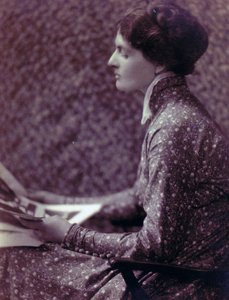
Ethel Léontine Gabain
1883 - 1950 , France
Quick Facts
- Artistic Movement Or Style: Lithography, Oil painting
- Date Of Birth: 1883
- Date Of Death: 1950
- Full Name: Ethel Léontine Gabain
- Nationality: French-Scottish
- Notable Artworks:
- Winter Sunshine
- Après midi de jeune fille
- Peggy Ashcroft as Juliet
- The Evacuation of Children
- Place Of Birth: Le Havre, France

