 Preview
 Send
Send Share
Share
 Details

 Download
 Similars
 X-Ray
X-Ray Diaporama
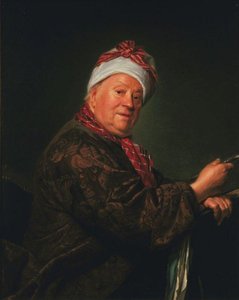
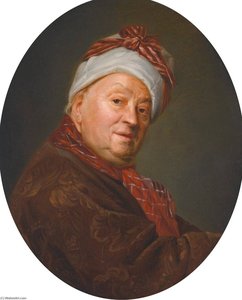
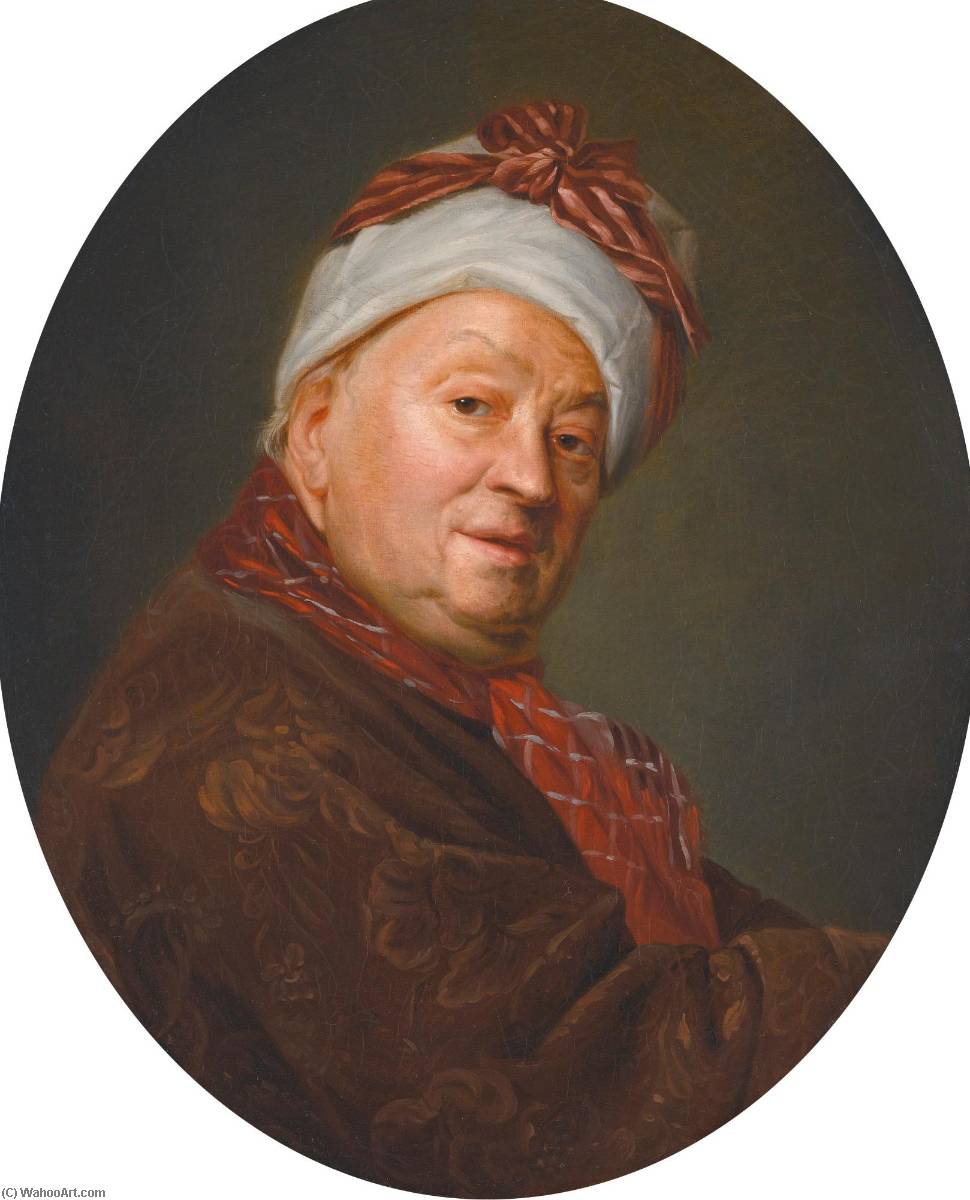
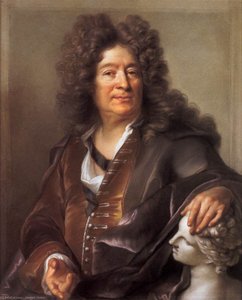
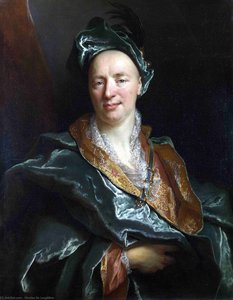
Portrait of Étienne Jeaurat (1699 1789)
 61.0 x 50.0 cm
 Read More
Giclée / Art Print
Museum-quality giclée or canvas print with fast production and flexible finish options. ( Buy Hand Made Painting Buy Image)




































Pick from our preset sizes that match the artwork's original proportions.

You may enter your own dimensions to fit a specific frame or space. If your selected size does not match the original image's proportions, we will either crop the artwork or extend the image with a mirrored or solid-fill edge. A digital mockup will be sent for your approval before production begins.
Please note that the on-screen preview does not reflect the actual cropping or extension. Only the mockup will accurately show the final composition.
While custom sizes are available, we recommend selecting a dimension from the predefined list to preserve the original proportions.
Worldwide Delivery () in 2 weeks instead of standard 4/5 weeks. (2 September)

Free Worldwide Express Shipping

High-Quality Linen Canvas

Full Shipping Insurance

Customs Tax Refund Guarantee

True Color Matching Guarantee

60-Day Return Policy (Defects Only)

100% Money-Back Guarantee

Bulk Discount Offer
 Glass option is only available in size under 110 CM

Portrait of Étienne Jeaurat (1699 1789)
Giclée / Art Print
Reproduction Size
-


Total Price
$ 63
Related Artworks





Artist Biography
Étienne Aubry: A Rococo Master of Domestic Life
Étienne Aubry (1746–1781), a name perhaps less familiar than those of his contemporaries, nevertheless represents a significant and quietly elegant voice within the vibrant world of 18th-century French art. Born in Versailles, the heart of royal patronage, Aubry’s artistic journey unfolded against the backdrop of a society grappling with change – the waning influence of absolute monarchy and the burgeoning spirit of Enlightenment ideals. His life was tragically short, ending at just thirty-five, yet within that brief span, he carved out a distinctive style characterized by refined rococo sensibilities, intimate scenes of domesticity, and an exquisite attention to detail. Aubry’s artistic training began under the tutelage of Jacques-Augustin Silvestre and Joseph Vien, both esteemed figures in the Parisian art world. These influences instilled within him a solid grounding in classical principles while simultaneously exposing him to the prevailing trends of the rococo style – characterized by its graceful curves, delicate colors, and emphasis on ornamentation. However, Aubry quickly distinguished himself from his teachers, developing a unique approach that prioritized capturing the nuances of everyday life with remarkable sensitivity. He wasn’t interested in grand historical narratives or mythological allegories; instead, he focused on scenes of familial affection, leisure activities, and the quiet moments of domesticity – subjects that offered a refreshing contrast to the more overtly theatrical works popular at the time.The Palette of Sentiment: Style and Technique
Aubry’s paintings are immediately recognizable by their soft, luminous palette. He favored pastel shades—pale blues, pinks, greens, and yellows—creating an atmosphere of gentle warmth and intimacy. His brushwork is remarkably delicate, employing subtle gradations of color to achieve a sense of depth and volume. He was particularly adept at rendering fabrics – silks, lace, and velvet – with astonishing realism, capturing their textures and folds with meticulous precision. This attention to detail extended beyond mere representation; Aubry imbued his scenes with an underlying emotional resonance. His figures are not merely posed but engaged in genuine interactions, conveying a sense of warmth, tenderness, and familial connection. A prime example is “Eternal Love,” a tender depiction of a young couple embracing, showcasing the artist’s ability to capture fleeting moments of affection with remarkable grace.Genre Scenes and the Rise of Domesticity
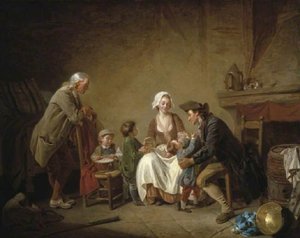
Aubry's most celebrated works fall squarely within the realm of genre painting – scenes from everyday life. He frequently depicted intimate family gatherings, children playing, and women engaged in domestic tasks. These paintings offered a glimpse into the private lives of French society, providing a counterpoint to the often-staged formality of courtly portraits. His subject matter wasn’t simply decorative; it reflected a growing interest in portraying the virtues of domesticity and familial harmony – values that resonated with the ideals of the Enlightenment. He was one of the first artists to successfully capture these themes, establishing a precedent for future generations of genre painters. His work “The First Lesson of Fraternal Friendship” exemplifies this shift, illustrating two young boys embracing, symbolizing the importance of sibling bonds within the family unit.A Legacy in Fragments: Influences and Historical Context
Despite his considerable talent and critical acclaim during his lifetime, Aubry’s legacy is somewhat fragmented. He died prematurely at the age of thirty-five, leaving behind a relatively small body of work. His ambition to transition into historical painting proved unsuccessful, and he never achieved the widespread recognition afforded to some of his contemporaries. However, his influence can be discerned in the works of later artists who continued to explore themes of domesticity and intimacy. The artist was influenced by the Neoclassical movement, but he managed to infuse it with a distinctly Rococo sensibility. His work reflects the broader cultural shifts occurring during the late 18th century – a period marked by both aristocratic privilege and growing social awareness. Aubry’s paintings remain valuable windows into the world of 18th-century France, offering a poignant glimpse into the lives of ordinary people and revealing the subtle beauty that could be found in the most commonplace moments. Though his name may not be as widely known as some of his contemporaries, Étienne Aubry deserves recognition as a significant and quietly elegant artist who helped shape the course of French painting.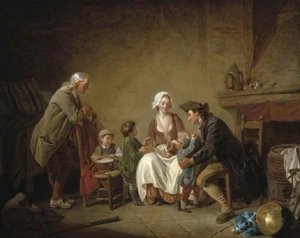
étienne aubry
1745 - 1781
Quick Facts
- Artistic Movement Or Style: Rococo, Portraiture
- Artists Or Movements Influenced By This Artist: ['None known']
- Artists Who Influenced This Artist:
- J. A. Silvestre
- Joseph Vien
- Date Of Birth: 1745
- Date Of Death: 1781
- Full Name: Étienne Aubry
- Nationality: French
- Notable Artworks:
- Eternal Love
- The First Lesson...
- Portrait of Etienne...
- Place Of Birth: Versailles, France