

 Send
Send Share
Share
 Details

 Download
 Similars
 Diaporama
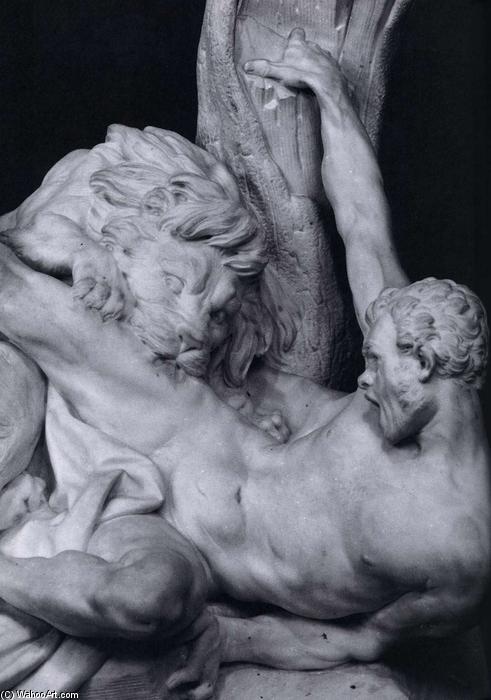
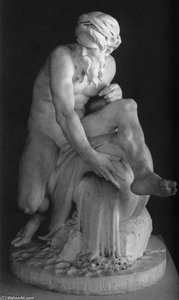
Milo of Croton (detail)


 Read More
Purchase a high-resolution, enhanced digital image, far superior to the online preview.
Each file is meticulously prepared by our in-house specialists using advanced tools and expert manual retouching. We ensure every image has exceptional clarity, precise color accuracy, and fine detail.
The final file is delivered via email within 72 hours, optimized for immediate use in professional, editorial, and print environments. This is the same quality trusted by top-tier design studios, publishers, and galleries.
Digital Image
Download a high-resolution file for personal display, printing, and creative projects. ( Buy Print Buy Hand Made Painting)
Included in Every Digital Image Order
Expert Digital Delivery, Guaranteed
When you choose ArtsDot.com, you're not just getting an image - you're receiving a professionally enhanced digital artwork, crafted with precision and backed by a satisfaction guarantee. Here's everything that comes with your order, automatically:

Fast Email Delivery
Your high-resolution digital image file will be emailed to you within 72 hours of ordering - ready for immediate use.

AI-Enhanced Digital File
Your artwork is professionally optimized using advanced AI tools and manual editing, ensuring maximum detail, clarity, and color accuracy.

Free Lifetime Re-Delivery
Accidentally deleted or lost your file? No worries - we'll resend it to you anytime, free of charge.

No Import Fees - Ever
Enjoy your artwork instantly with zero customs, duties, or delivery fees - digital downloads are always tax-free.

Color Accuracy Guarantee
We ensure your digital image reflects the original colors as closely as possible using professional tools and color management.

60-Day Satisfaction Guarantee
If you're not satisfied with your digital image, we'll revise it or refund 100% within 60 days - no questions asked.

100% Money-Back Guarantee
Not satisfied? Get a full refund within 60 days of receiving your digital file - no questions asked.

Bulk Order Discounts
Buy 3 images, save 10% - Buy 5, save 15% - Buy 10+, save 20%. Great for creative projects, galleries, and agencies.
The Echoes of Grief: A Study in Marble Emotion
To stand before this depiction of Milo of Croton (detail) is to be enveloped by an atmosphere thick with unspoken sorrow and profound, enduring love. The marble itself seems less like inert stone and more like solidified lamentation. We are drawn immediately into the intimate drama unfolding between the father and son, their forms intertwined in a tableau vivant of shared anguish. The artist has masterfully captured not merely the likenesses of two figures, but the very weight of memory and loss that binds them together across generations. It is a moment frozen in time, yet vibrating with palpable, raw emotion.
Neoclassical Grace Meets Baroque Drama
Stylistically, this piece speaks eloquently of the Neoclassical period, an era that revered classical antiquity while retaining a capacity for intense emotional narrative. While the polished finish and anatomical precision speak to academic rigor—a hallmark of the late 18th-century taste—the dramatic diagonals and palpable sense of movement inject a vitality reminiscent of the Baroque masters. The technique employed is pure subtractive sculpture; every curve, every fold in the drapery, suggests countless hours of patient removal, revealing the perfect form from the solid block. This meticulous craftsmanship elevates the subject matter beyond mere portraiture into the realm of timeless allegory.
Symbolism Woven in Stone
The core resonance of this sculpture lies in its potent symbolism. It is a meditation on familial bonds—the unbreakable tether between parent and child, even when faced with insurmountable grief. The outstretched arm of the father, reaching out or perhaps recoiling from an unseen tragedy, becomes a universal gesture for protection and sorrow. For the collector or designer, owning such a piece means acquiring more than just decorative art; it is acquiring a conversation starter, a quiet focal point that invites contemplation on mortality, devotion, and the enduring nature of human connection.
Crafting Atmosphere: A Decorative Masterpiece
For those considering bringing this sublime work into a curated space, consider its inherent atmospheric quality. The white marble, with its subtle variations in texture visible even in reproduction, catches light beautifully, allowing the shadows to deepen the sense of drama. It pairs exquisitely within interiors that favor classical detailing—think grand drawing rooms, libraries paneled in dark wood, or reception halls aiming for an air of cultured melancholy. Whether viewed up close, admiring the musculature and the delicate rendering of the faces, or from a distance, allowing the overall composition to speak, this sculpture promises depth and intellectual richness.
Related Artworks

Artist Biography
The Sculptor of Grandeur and Delicate Beauty
Étienne Maurice Falconet stands as a pivotal figure in the late Baroque, Rococo, and early Neoclassical periods of French sculpture. Born in Paris in 1716, his journey from a humble apprenticeship to becoming one of the most celebrated artists of his time is a testament to talent, ambition, and an extraordinary ability to capture both power and grace. Falconet’s early life was marked by practical labor; he began as a marble cutter’s assistant, a far cry from the prestigious artistic circles he would eventually command. However, his innate talent for sculpting quickly shone through, producing clay and wood figures during his leisure hours that attracted the attention of Jean-Baptiste Lemoyne the Younger. This mentorship proved crucial, providing the formal training and guidance necessary to transform a skilled craftsman into a master of fine art.
As Falconet’s reputation grew, so did his ability to navigate the shifting aesthetic tides of the 18th century. His work seamlessly bridged the gap between the ornate, playful energy of the Rococo and the disciplined, heroic ideals of Neoclassicism. Early masterpieces like Milo of Croton (1754) secured his admission to the Académie des Beaux-Arts, marking a significant milestone in his career. In this work, Falconet demonstrated a remarkable capacity for realism and emotional depth, imbuing cold stone with the visceral struggle and legendary strength of the Greek athlete. His talent for capturing human feeling through anatomical precision established him as a rising star within the Parisian art world.
A Legacy in Bronze and Porcelain
While many sculptors are remembered for a single medium, Falconet’s versatility allowed him to leave an indelible mark on both monumental bronze and delicate porcelain. Perhaps his most enduring achievement is the colossal bronze statue of Peter the Great, known as "The Bronze Horseman," located in St. Petersburg, Russia. This monumental work serves as a triumph of scale and symbolism, capturing the imperial spirit of the Russian Tsar through dynamic movement and commanding presence. It remains one of the most iconic sculptural landmarks in Europe, representing the pinnacle of his ability to execute large-scale, historical narratives.
Parallel to his monumental bronze works, Falconet played a transformative role in the Royal Sèvres porcelain manufactory. Here, he elevated small-scale sculpture to an art form in its own right, infusing delicate porcelain figures with the same grace and sophistication found in his marble works. His contributions to Sèvres helped define the aesthetic of the era, blending elegance with intricate detail. His ability to master both the massive and the miniature is reflected in a diverse body of work that includes:
- Pygmalion and Galatea: A stunning marble sculpture capturing the mythical moment Aphrodite breathes life into stone, embodying the essence of artistic creation.
- Flora: A 1751 marble masterpiece that showcases his Neoclassical mastery through serene beauty and elegant form.
- Milo of Croton: A dynamic depiction of strength and struggle that highlights his skill in capturing intense physical emotion.
Through his mastery of various scales and styles, Étienne Maurice Falconet shaped the visual language of his century. Whether through the sweeping drama of a public monument or the intimate charm of a porcelain figurine, his work continues to resonate as a profound exploration of human emotion, myth, and the enduring beauty of form.
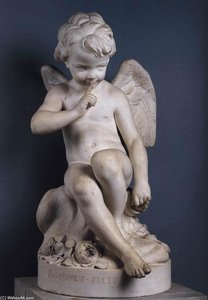
étienne maurice falconet
1716 - 1791 , France
Quick Facts
- Artistic Movement Or Style: Baroque, Rococo, Neoclassical
- Artists Or Movements Influenced By This Artist: ['Boucher']
- Artists Who Influenced This Artist: ['Jean-Baptiste Lemoyne']
- Date Of Birth: December 1, 1716
- Date Of Death: January 24, 1791
- Full Name: Étienne Maurice Falconet
- Nationality: French
- Notable Artworks:
- Bronze Horseman Statue
- Flora
- Milo of Croton
- Place Of Birth: Paris, France

